World
Pakistani military plane crashes near Mardan, killing two pilots

A Pakistan Air Force Super Mushshak trainer crashed in an open area near Mardan after a routine training sortie, killing Flt. Lt. Muhammad Qasim Abdullah and Lt. Taha Abbasi and putting Pakistan’s recent run of military aviation accidents under sharper scrutiny. The military said Air Headquarters had ordered a board of inquiry to determine what went wrong.
The aircraft went down in Khyber Pakhtunkhwa province, in northwestern Pakistan, far from the dense air corridors of commercial aviation but still within a flight environment that can turn dangerous in seconds. Because the plane crashed during training, not combat, the loss immediately raised questions about safety procedures, maintenance standards and the strain on military readiness when even basic sorties end in fatalities.
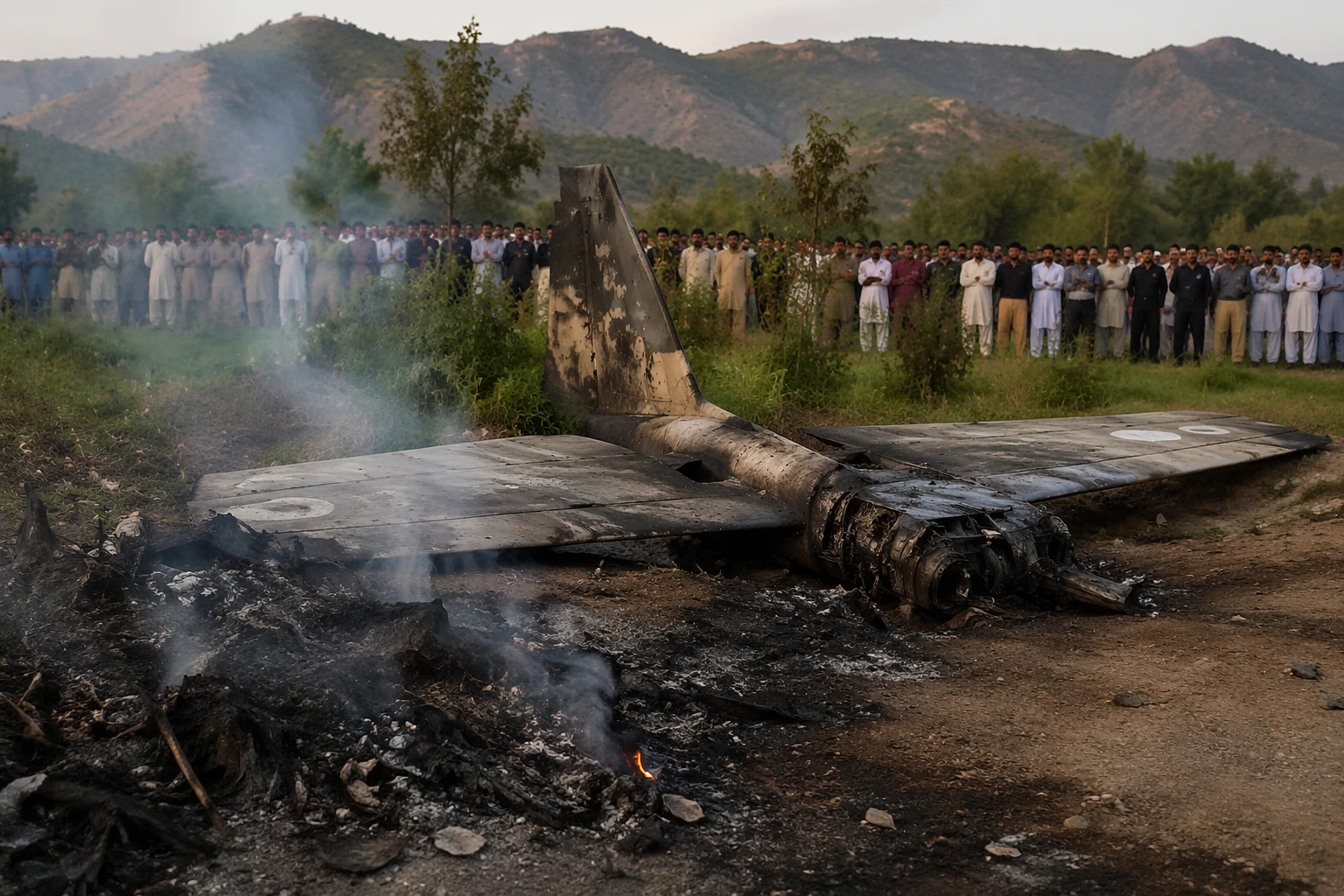
The deaths also cut across service branches. Abdullah served in the Pakistan Air Force, while Abbasi was identified as a lieutenant in the Pakistan Navy, underscoring that the aircraft was carrying personnel beyond a single unit. That detail matters because it suggests the flight was part of broader training activity, not an isolated local mission, and it deepens the operational impact of the crash for both services.
The incident came less than a week after Pakistan’s deadliest recent military aviation disaster, when a Pakistan Army Mi-17 helicopter crashed near Muzaffarabad in Pakistan-administered Kashmir during takeoff because of a technical fault, killing all 22 people on board. That earlier crash prompted mass funerals and a separate inquiry, and together the two accidents have turned an already difficult week into a wider test of oversight inside Pakistan’s military aviation system.
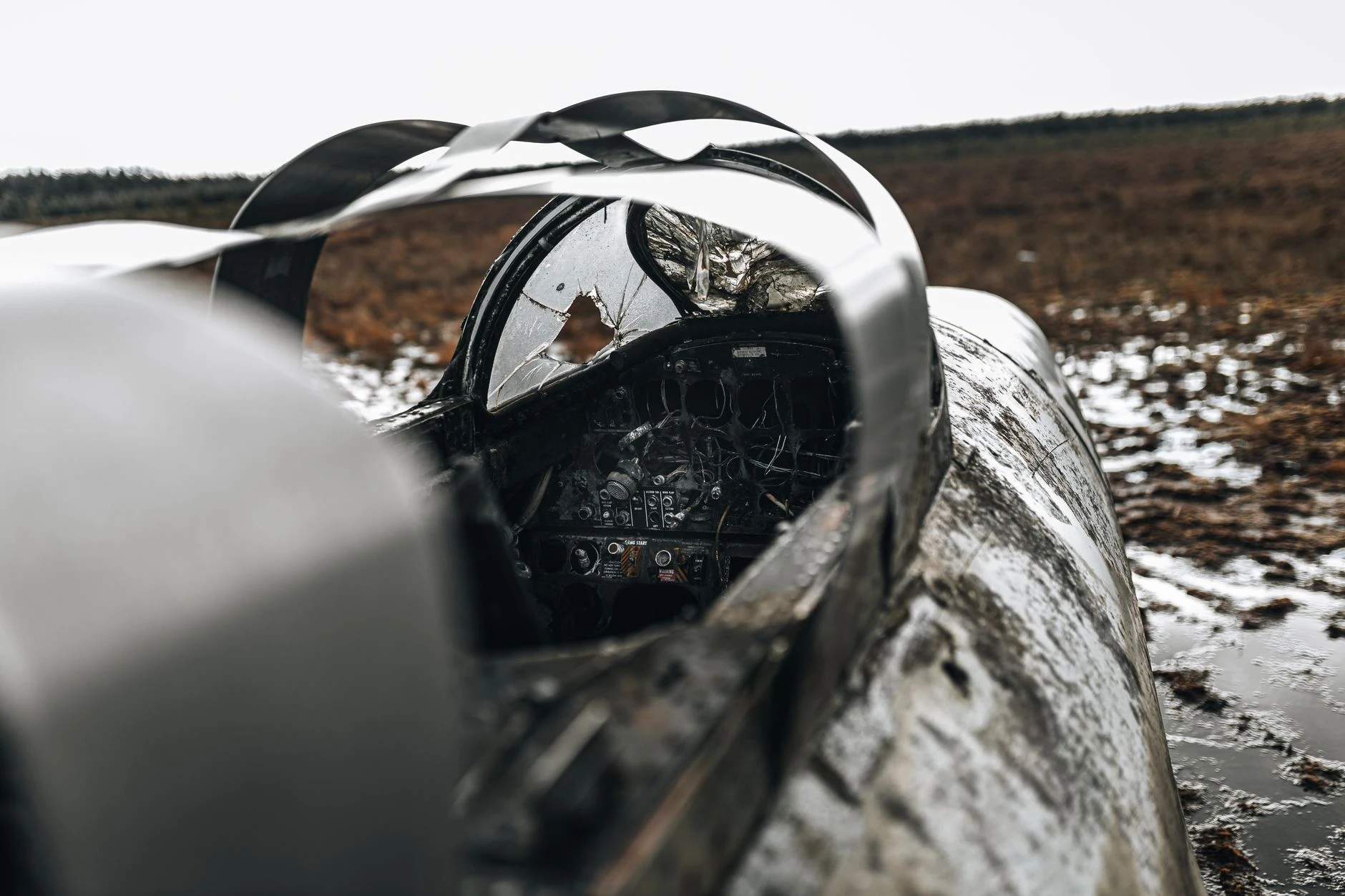
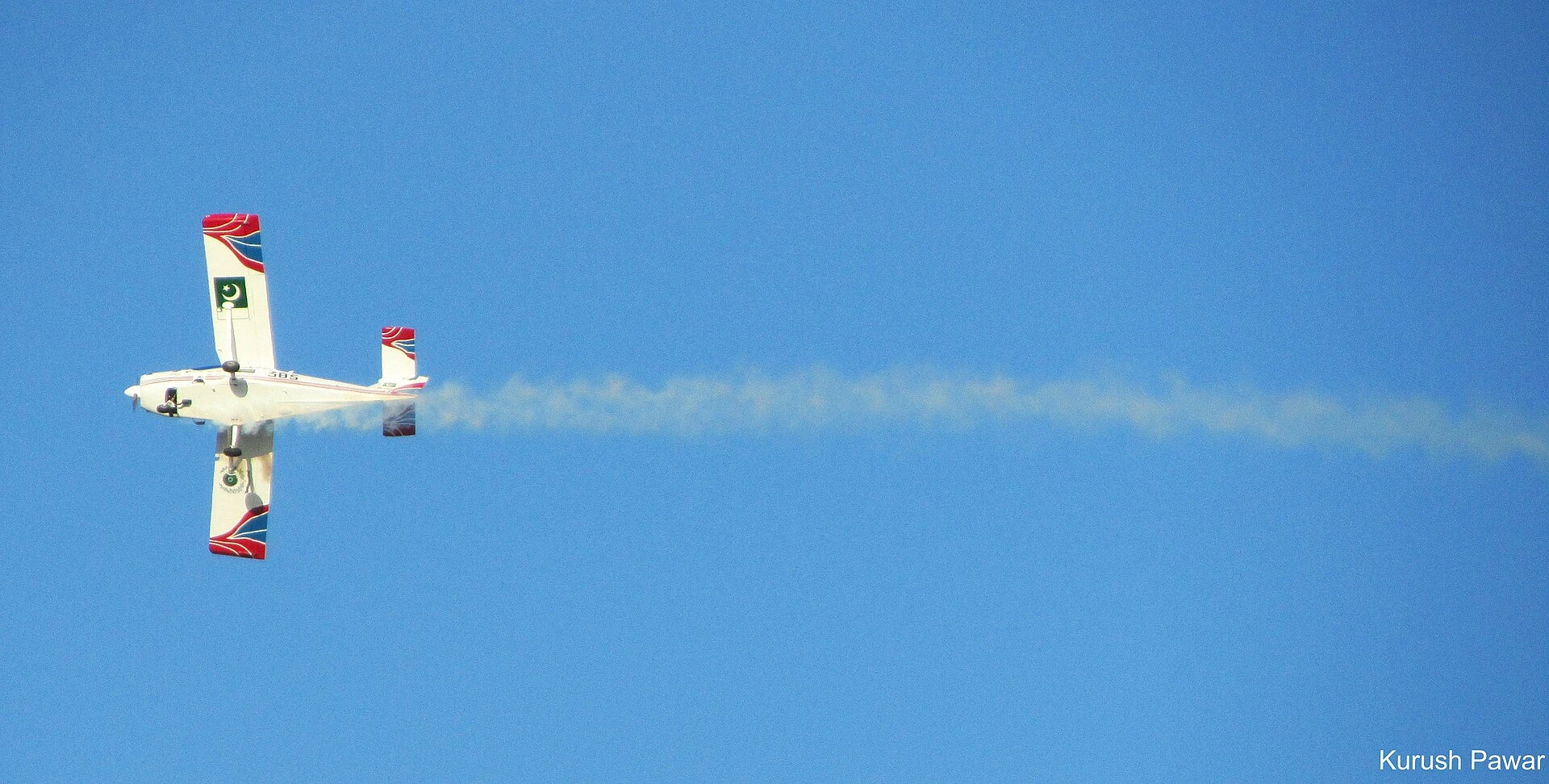
Reports identified the Mardan aircraft as a Pakistan Air Force Super Mushshak trainer, a platform designed for instruction rather than combat. A trainer crash carries a different message from a battlefield loss: it points directly at the condition of the aircraft fleet, the quality of training oversight and the margin for error in routine operations. When a training plane is lost and two service members die, the event does more than close one sortie. It raises doubts about how much stress Pakistan’s aviation units can absorb while maintaining readiness.
For now, the open area near Mardan offers the strongest clue to how the accident unfolded. The plane appears to have come down away from a major population center, but the military has not said whether mechanical failure, pilot error or another factor caused the crash. Until the board of inquiry reports its findings, the crash stands as both a human loss and a warning sign for Pakistan’s military aviation capacity.
Sources
- [1]abcnews.com
- [2]nation.com.pk
- [3]thenews.pk
- [4]apnews.com