Business
Pakistan's e-bike boom grows as fuel prices soar
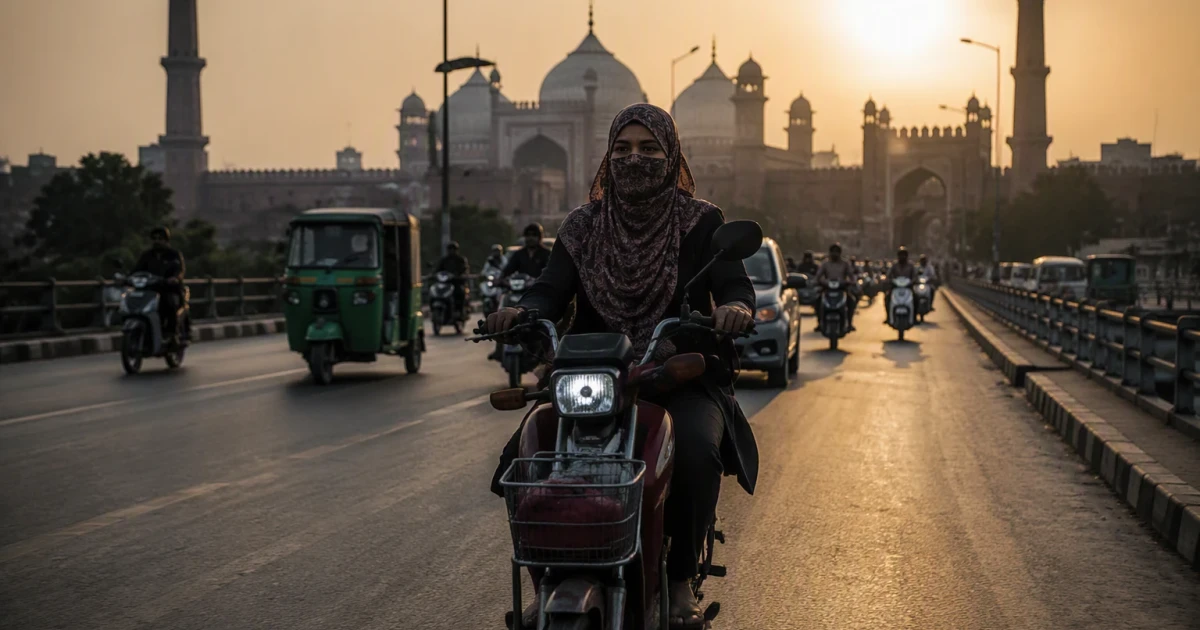
In Lahore, electric bikes and scooters are becoming increasingly common as petrol prices, fuel shortages and unreliable power reshape what affordable mobility looks like in Pakistan. The people buying them are often the ones who feel transport costs most directly: office-going women, university students and food delivery riders.
Why the switch is happening
The appeal starts with cash flow. When petrol costs climb and incomes stay uneven, a small electric bike can make a monthly commute more predictable than repeated visits to a fuel station in a country where riders also have to think about load-shedding and whether charging will be available at home or work.
The shift is also about practicality, not just environmental ideals. For many city trips, especially short commutes and delivery runs, battery-powered two-wheelers fit the way Pakistan’s roads already work: dense traffic, frequent stops and a constant search for lower operating costs. In that setting, an electric bike can look less like a green statement and more like the cheapest reliable way to keep moving.
Lahore as the clearest test case
Lahore is a useful window into the broader market because it combines heavy commuting demand, congestion and a large population that depends on motorcycles for affordable mobility.
Charging access still shapes the experience. A buyer weighing an electric scooter has to think beyond the showroom price and ask where it will be charged, whether the power stays on, and how often the bike can make a full day’s use without interruption in a city where load-shedding can turn a cheap transport option into a planning problem, especially for riders who need the bike to earn money or get to work on time.
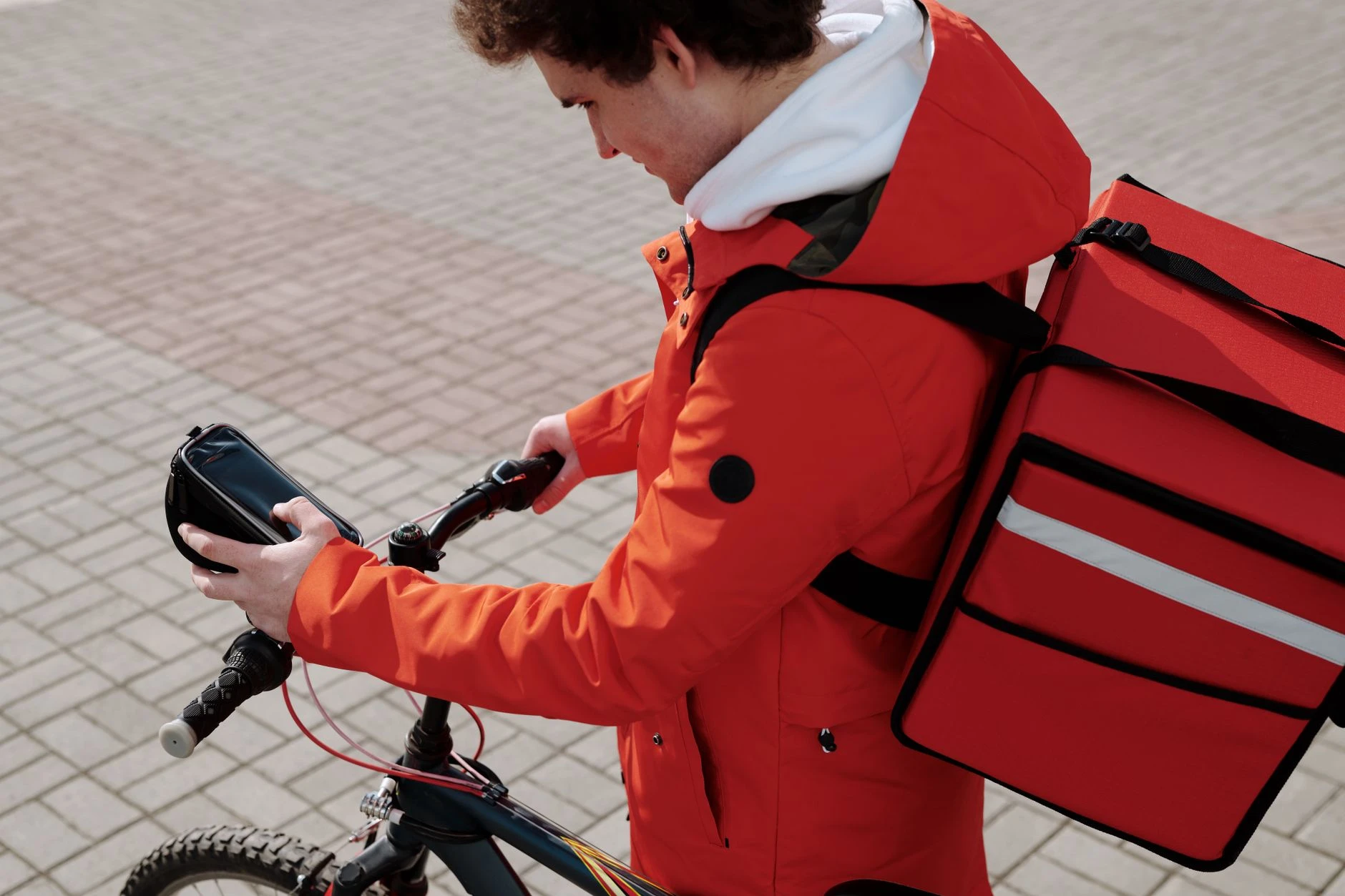
The buyers now visible in Lahore also show how broad the market has become. Office workers want a predictable commute, students want a lower-cost way across the city, and delivery riders want to protect thin margins on every trip. Their adoption is driven by a shared calculation that battery power can beat petrol on total daily cost.
What the research says about adoption
A 2023 study in the World Electric Vehicle Journal, titled “Adoption of Electric Motorcycles in Pakistan: A Technology Acceptance Model Perspective,” examined the factors shaping people’s intention to adopt electric motorcycles. Transport choices depend on price, trust, convenience and whether riders believe the new technology will work in real life.
A 2024 Practical Action Publishing article, “Understanding Electric Bike Adoption in Pakistan: The Role of Economic Benefits, Environmental Concern, and Technology Acceptance,” published on October 30, 2024, said that with the environment continuing to deteriorate and fuel prices soaring in Pakistan, there was a need to look for greener forms of transportation. The same two forces run through current demand: lower operating costs and concern about the environmental damage tied to petrol use.
The research points to a simple pattern. Buyers are not choosing electric motorcycles only because they want cleaner air, and they are not buying them only because they want to save money. The stronger case comes when those motives overlap, with savings on fuel reinforced by a sense that the existing transport system is both expensive and unsustainable.
The market is already moving
Nukta Business said in two Instagram posts that two-wheeler electric vehicle sales in Pakistan rose 173% in the first half of 2026, and that EV sales nearly tripled to about 90,000 units last year. Another Nukta Business post said EV two-wheelers made up more than 10% of monthly sales this year. Those figures are market claims, but they point in the same direction as the broader shift visible on the roads.
By April 7, 2026, soaring costs and fuel-shortage fears were driving Pakistan toward electric motorbikes. An August 8, 2026 Arab News Pakistan piece argued that fuel shock and Middle East tensions pushing up oil prices were accelerating the shift to e-bikes, while Pakistan had failed to build an effective policy to promote electric motorcycles even as global prices had fallen.
The market is moving faster than the infrastructure around it. Riders can buy the bikes, but the long-term success of the transition depends on charging access, stable electricity and a regulatory framework that treats electric motorcycles as more than a fringe import. Without that support, adoption can still grow, but it will do so unevenly, led by the buyers who can solve charging and financing on their own.
What it means beyond Pakistan
Pakistan’s e-bike boom fits a wider electric-motorcycle surge across developing markets. The same logic is showing up in other dense cities: expensive fuel makes petrol bikes painful to run, while battery-powered two-wheelers offer a lower-cost way to handle short daily trips and delivery work.
The bigger economic effect is on oil demand at the margin. Each rider who swaps a petrol bike for a battery-powered one cuts a stream of small fuel purchases that, multiplied across millions of urban trips, can add up to real pressure on gasoline demand.
Sources
- [1]nytimes.com
- [2]papjournals.com
- [3]reuters.com
- [4]arabnews.pk
- [5]mdpi.com
- [6]linkedin.com
- [7]instagram.com