Health
Palau urges UN review of nicotine as a psychotropic substance
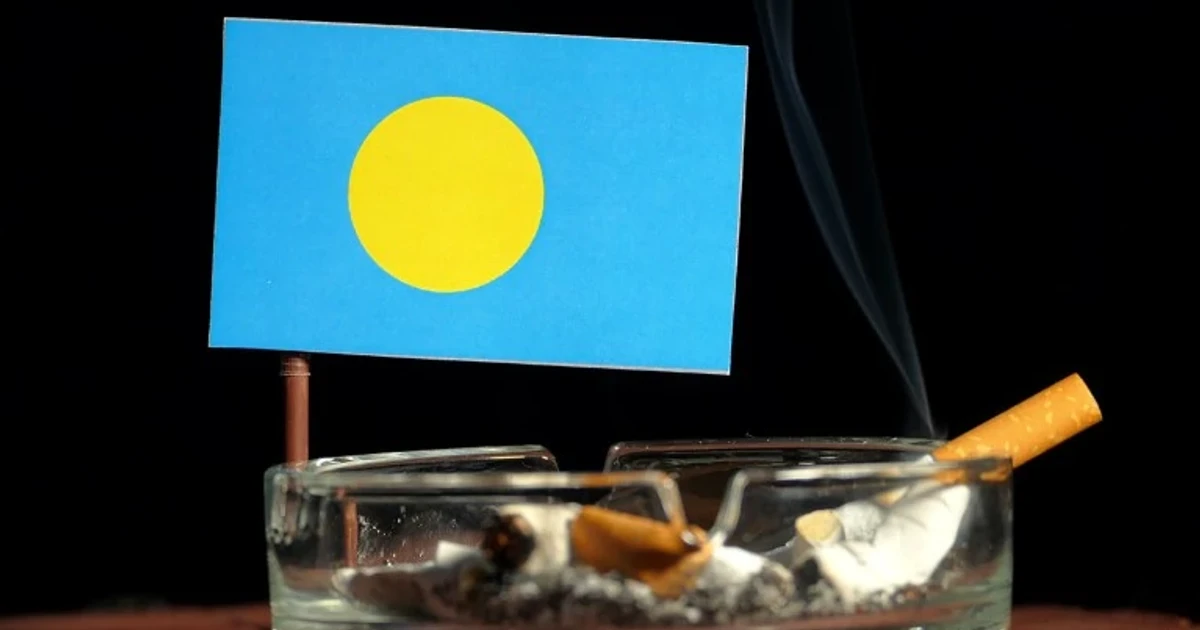
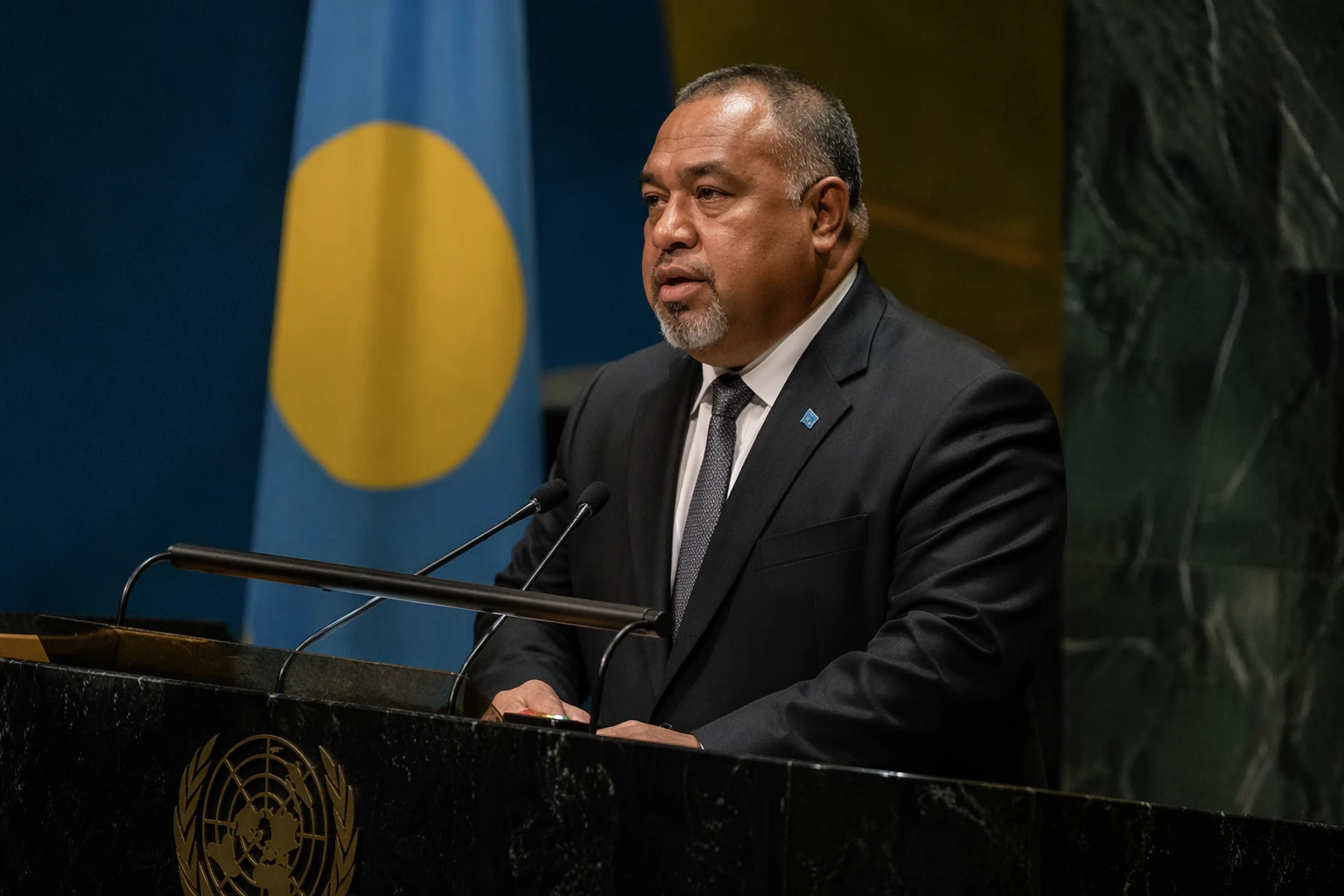
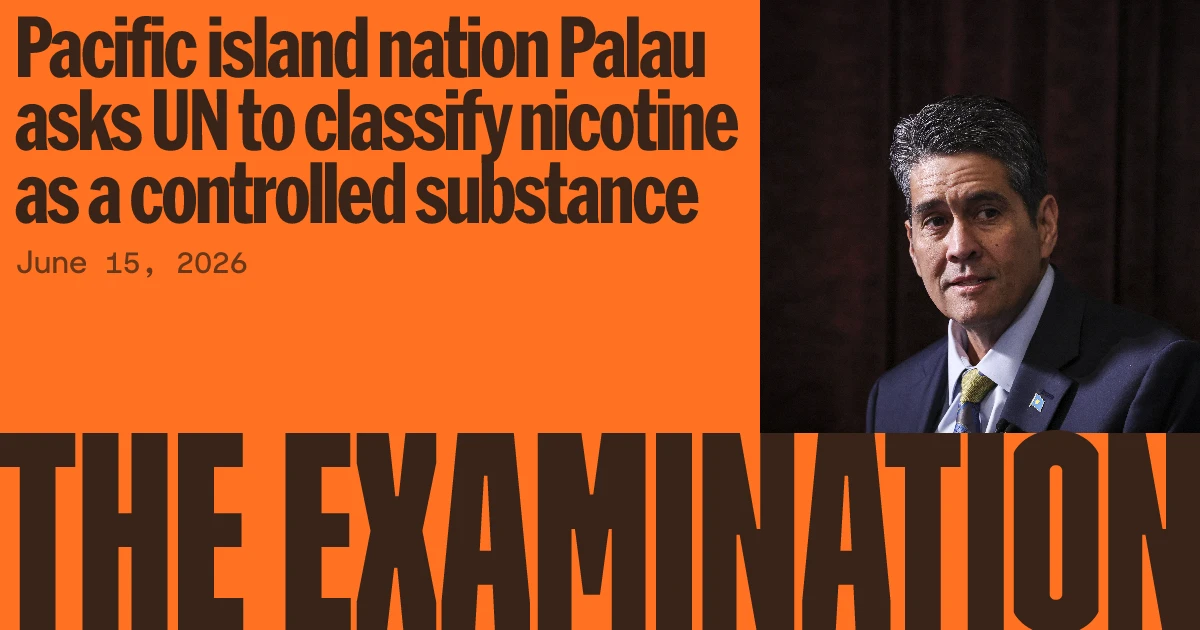
Palau has pushed the nicotine debate out of tobacco control and into the realm of narcotics-style regulation. The Pacific island nation formally notified the United Nations Secretary-General on 10 June 2026 under Article 2 of the 1971 Convention on Psychotropic Substances, asking the World Health Organization’s Expert Committee on Drug Dependence to conduct a critical review of nicotine. The request has been described as the first national bid for UN review of nicotine, and it raises a blunt policy test: whether governments want nicotine treated as a controllable medical aid, a consumer stimulant, or a tightly restricted substance.
The move lands at a moment when global health officials say nicotine products are evolving faster than the laws meant to contain them. A Nature public-health commentary argued that existing harm-reduction efforts have focused on combustible smoking, even as nicotine-filled vapes have spread through sleek packaging, flavors, and digital marketing that appeal to young people. WHO said in 2026 that tobacco and nicotine products are increasingly designed and marketed to attract adolescents, while WHO and the Pan American Health Organization said at least 15 million adolescents ages 13 to 15 worldwide already use e-cigarettes and at least 40 million children in that age group use tobacco products.
A narcotic-like approach would not just change the label on the product. It could affect sales, age limits, advertising, import controls, and day-to-day enforcement, especially where flavored vapes and nicotine pouches have created new markets outside traditional cigarette regulation. It would also force governments to confront black-market risk: the tighter the legal regime, the more likely illicit supply routes become attractive for users who still want nicotine. WHO’s Western Pacific advocacy brief says e-cigarette liquids may contain nicotine and can also carry additives, flavors, and chemicals harmful to health, a reminder that the products driving youth uptake are not harmless consumer goods.

The review process itself would be consequential. WHO’s ECDD examines psychoactive substances for abuse and dependence potential, public-health harm, and therapeutic usefulness, which means any nicotine review would have to separate recreational products from clinically approved cessation tools. In the United States, the Food and Drug Administration says over-the-counter nicotine replacement therapies are approved to help people quit smoking, underscoring the need for any tougher regime to preserve medical access while restricting recreational use. Palau has already moved hard at home, banning possession, use, importing, and selling of e-cigarettes in 2023 after reporting suggested nearly half of Palauan teens had used them. For larger countries, Palau’s campaign looks less like a symbolic gesture than an early warning about how far nicotine policy may soon be pushed.
Sources
- [1]nature.com
- [2]nicotinereview.org
- [3]who.int
- [4]paho.org
- [5]fda.gov
- [6]hpr.org
- [7]unodc.org