Sports
Palestinian-American kids find refuge in soccer near World Cup stadiums
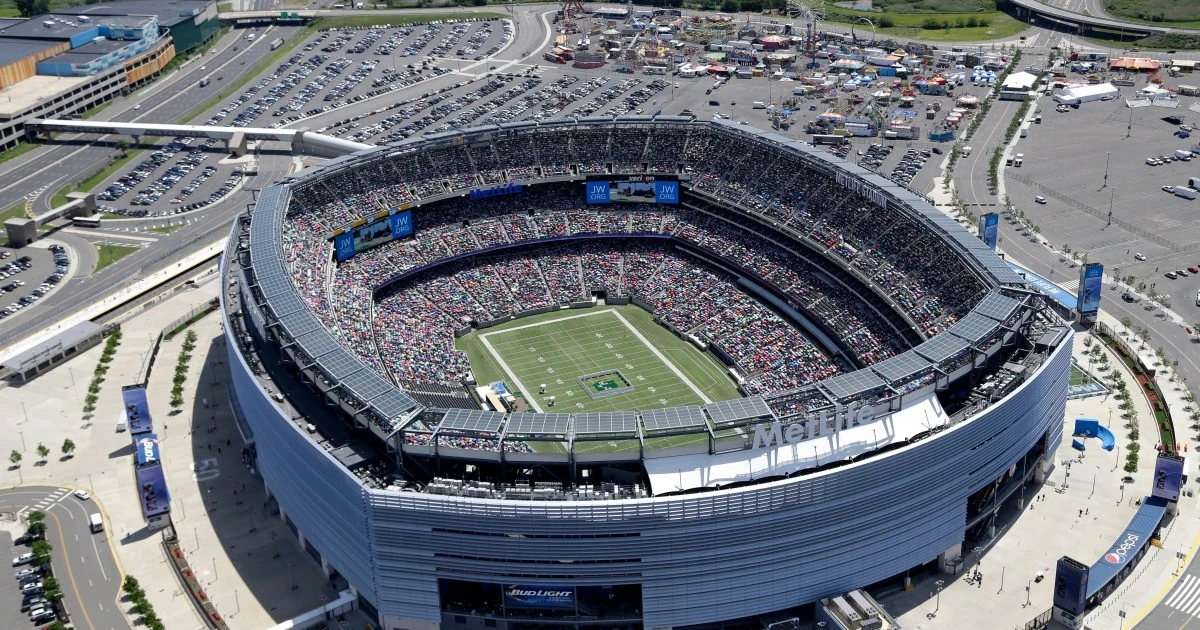
About a dozen miles from New York New Jersey Stadium, Palestinian-American children have been turning soccer into a refuge from war, one practice and one game at a time. As the 2026 FIFA World Cup runs from June 11 to July 19 across Canada, Mexico and the United States, the contrast is sharp: inside the tournament, 48 teams are playing 104 matches, while outside, families are leaning on the same sport to steady children carrying the emotional weight of a distant conflict.
The Palestinian national team gave that connection deeper meaning by reaching the third stage of World Cup qualifying for the first time. The Asian Football Confederation said Palestine’s 0-0 draw with Lebanon on June 10, 2024, created history, and later reported on June 6, 2025, that a win over Kuwait kept the dream alive before Palestine ultimately fell short of the expanded 48-team field. For supporters, captain Mus’ab Al Battat and head coach Ihab Abujazar became symbols of a team that pushed farther than any previous Palestinian side toward the game’s biggest stage.
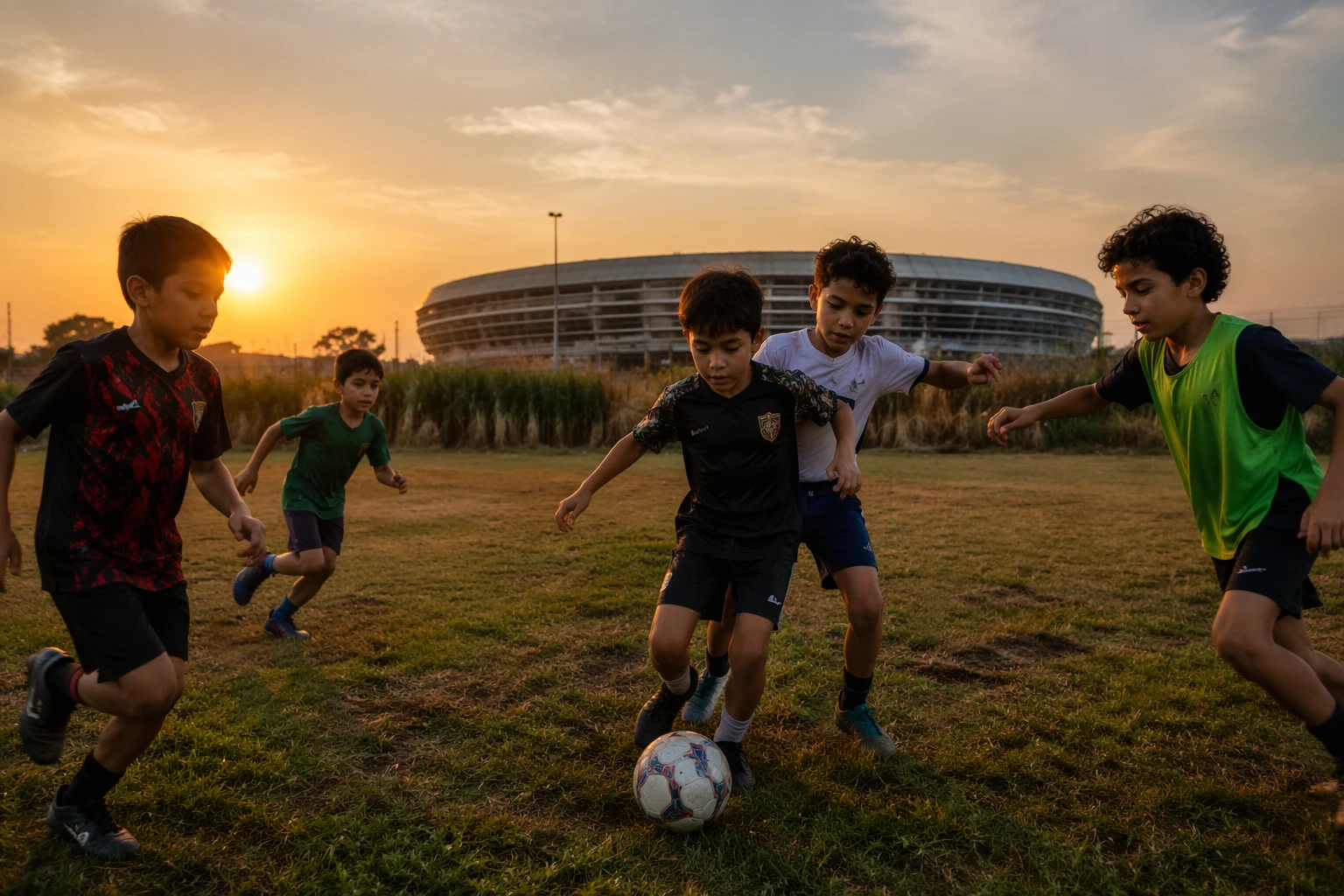
That symbolism matters because soccer in the West Bank has long carried more than athletic weight. Recent reporting has described children playing on worn municipal pitches and on fields bordered by barbed wire near Israeli settlements, where the game offers moments of community, resilience and hope amid daily pressure. A May 2026 report said the Palestinian Football Association documented an armed Israeli settler threatening children playing football in the southern West Bank, a reminder that for many young Palestinians the simple act of kicking a ball can still come wrapped in fear.
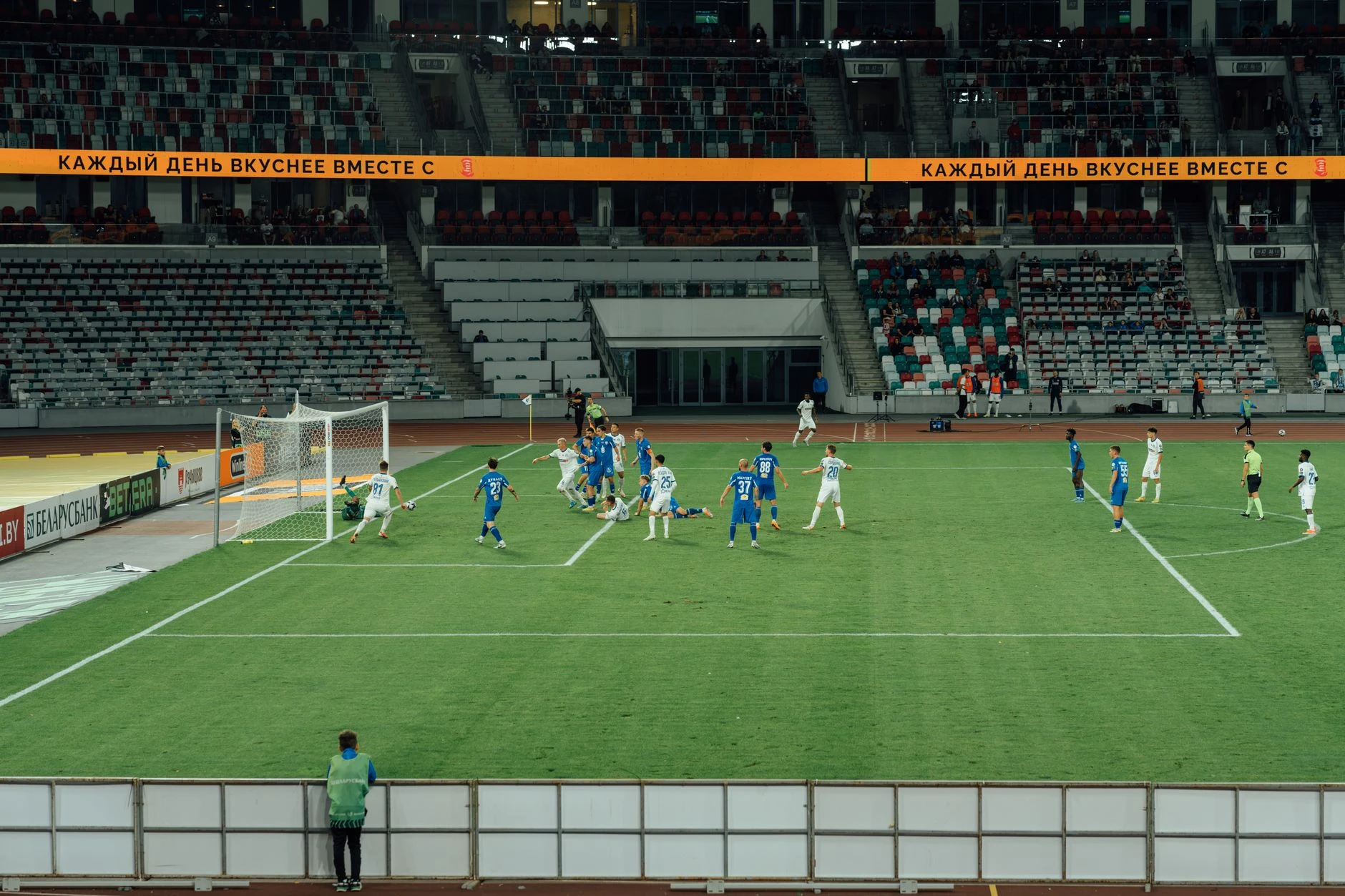
For Palestinian-American families, that backdrop follows them into suburban parks and school fields. Parents and coaches are using soccer as a local refuge, a place where kids can run, talk in familiar languages, and feel tied to a heritage that war and displacement have made harder to hold close. The game gives children structure when headlines do not, and a social space where identity is affirmed through jerseys, team talk and repetition of the same drills that connect them to cousins, clubs and memories far away.
It is that dual role, cultural anchor and psychological release, that gives soccer its force in these communities. Near the World Cup stadiums, the sport is not competing with politics. It is giving children something politics cannot: a place to breathe, belong and stay children a little longer.
Sources
- [1]npr.org
- [2]fifa.com
- [3]the-afc.com
- [4]independent.co.uk
- [5]thecanary.co