US News
Pam Bondi Faces Intense Scrutiny Over Epstein and Trump-Related Cases
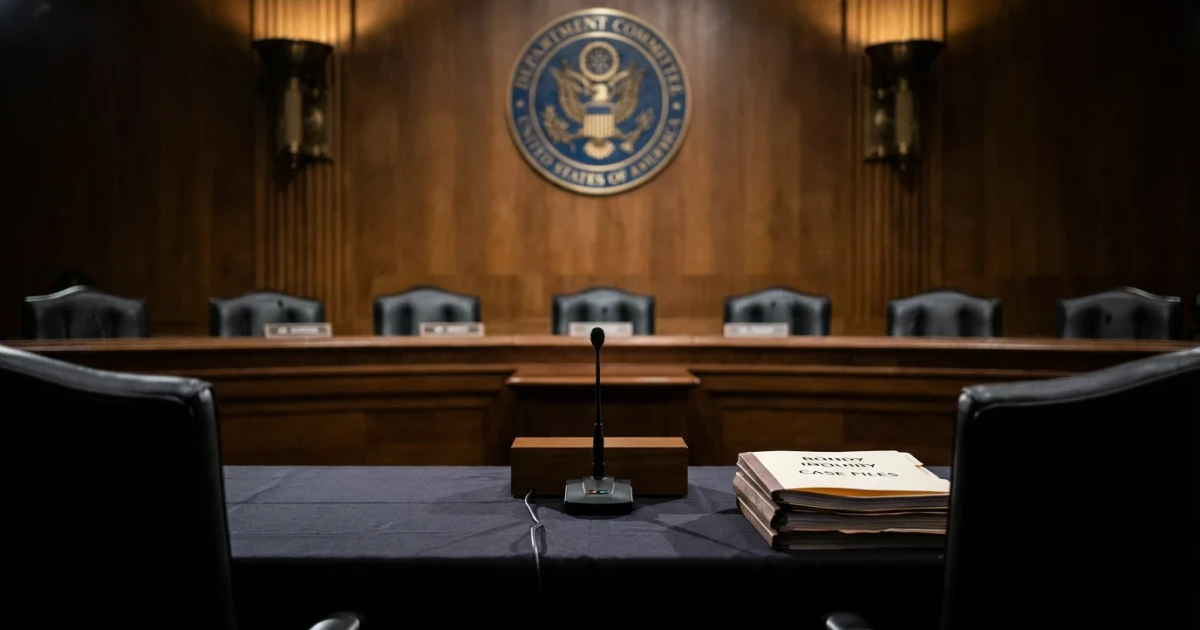
Pam Bondi, the former Florida Attorney General and prominent ally of Donald Trump, became the focus of a contentious congressional hearing as lawmakers pressed her on her involvement with the Jeffrey Epstein non-prosecution agreement and her role in cases targeting political opponents of the former president.
Lawmakers Challenge Bondi on Epstein Case Decisions
During the hearing, Bondi faced pointed questions regarding her office’s actions during the original investigation into Jeffrey Epstein, a financier who was accused of sexually abusing dozens of underage girls. Lawmakers sought clarity on the circumstances that led to the controversial 2007 non-prosecution agreement, which allowed Epstein to avoid federal charges and serve only a limited sentence in county jail. The agreement, which has drawn public outrage and subsequent federal review, remains a focal point for those seeking accountability in the handling of the Epstein case.
Bondi, who did not serve as Florida Attorney General until after the agreement was reached, nonetheless faced scrutiny over her office’s later handling of matters related to Epstein. Lawmakers referenced the House resolution calling for further investigation of the case and pressed Bondi on any new evidence her office might have received during her tenure.
Clashes Over Political Prosecutions
The hearing’s scope extended beyond Epstein, as committee members questioned Bondi about her involvement in legal actions against figures perceived as political adversaries of Donald Trump. These included inquiries into whether prosecutorial resources were directed at Trump’s rivals for political reasons. Bondi, a staunch Trump supporter who later joined his legal defense team during his presidency, vigorously denied any improper coordination or targeting.
While some lawmakers cited specific instances and timelines, others focused on broader patterns of prosecutorial discretion. The exchanges grew heated at times, with Bondi pushing back against suggestions that her office acted inappropriately:
"I have always upheld the law and made prosecutorial decisions based on evidence, not politics."
Key Moments From the Hearing
- Epstein Files Demand: Lawmakers pressed Bondi to disclose any documents or communications her office had regarding Epstein’s prosecution or subsequent investigations, referencing ongoing public interest and the Department of Justice records available to the public.
- Political Pressure Allegations: Bondi faced repeated questioning over whether she coordinated with Trump allies on cases involving Democratic figures or his political opponents.
- Heated Exchanges: The hearing was marked by tense moments, as Bondi accused some lawmakers of "grandstanding" and insisted her record be judged on the facts.
- Calls for Further Investigation: Several committee members referenced the need for greater transparency and possibly additional oversight into prosecutorial decisions made during Bondi’s tenure.
- Bondi’s Defense of Her Record: Throughout, Bondi maintained that her actions were above board and in line with legal standards, urging lawmakers to consider the complexity of both the Epstein case and high-profile prosecutions in a politically charged environment.
Broader Implications and Next Steps
The hearing reflected ongoing public and political concern over the handling of the Epstein prosecution and the use of prosecutorial power in politically sensitive cases. While Bondi’s testimony did not reveal new evidence, it underscored the deep divisions and questions that remain over accountability and transparency in the justice system.
Calls for further investigation, including access to previously undisclosed files and communications, are likely to persist as lawmakers and the public seek answers about both the Epstein case and the broader issue of political influence in law enforcement decisions. The hearing has set the stage for potential legislative action, as well as renewed media and legal scrutiny.
As the debate continues, the balance between prosecutorial independence and public accountability remains a critical issue—one that will likely shape future oversight of high-profile cases involving both powerful individuals and political rivalries.