Sports
Paraguay and Turkey fans flood Santa Clara ahead of World Cup clash
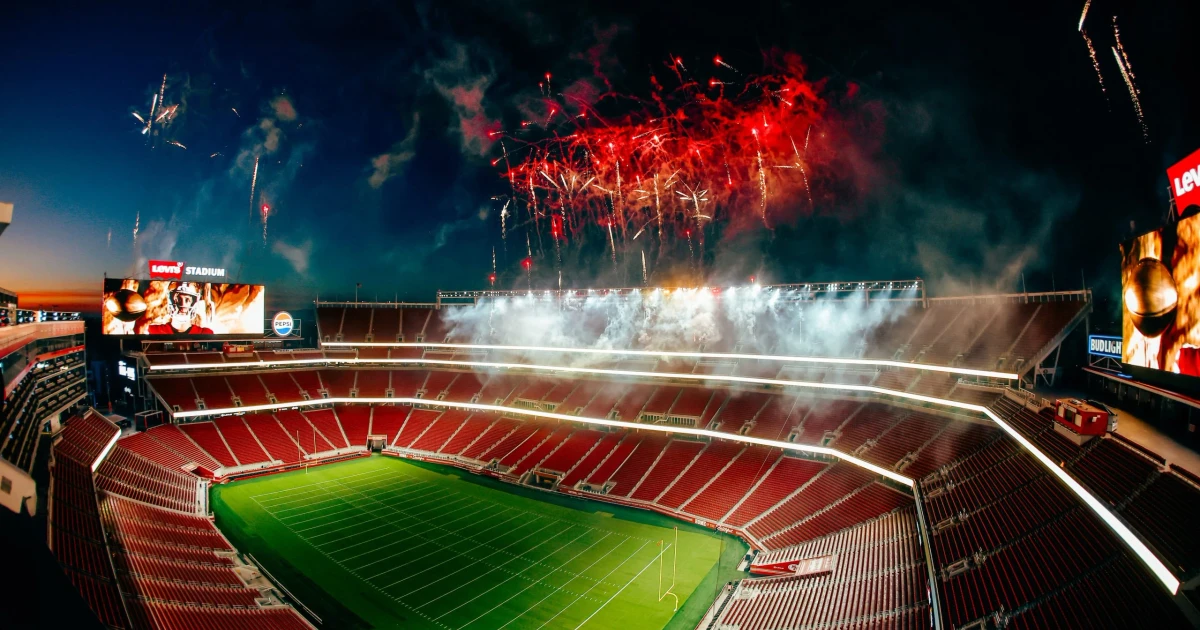
Paraguayan and Turkish fans turned Santa Clara’s streets and the blocks around Levi’s Stadium into a brief international district, filling the California host city with flags, jerseys and pre-match energy ahead of the Group D meeting between the two sides. The match kicked off on June 19 at 8:00 p.m. Pacific time at Levi’s Stadium, one of six World Cup games scheduled for the San Francisco Bay Area.
The crowd movement in Santa Clara was about more than atmosphere. It showed how the World Cup is already reshaping public space in the region, drawing supporters from far beyond Silicon Valley and putting a global event into the daily life of a Northern California city. FIFA has said the Bay Area stadium will host six matches in all, with five group-stage games and one round of 32 fixture, a schedule that helps explain the steady flow of visitors and the international feel on the streets around the venue.
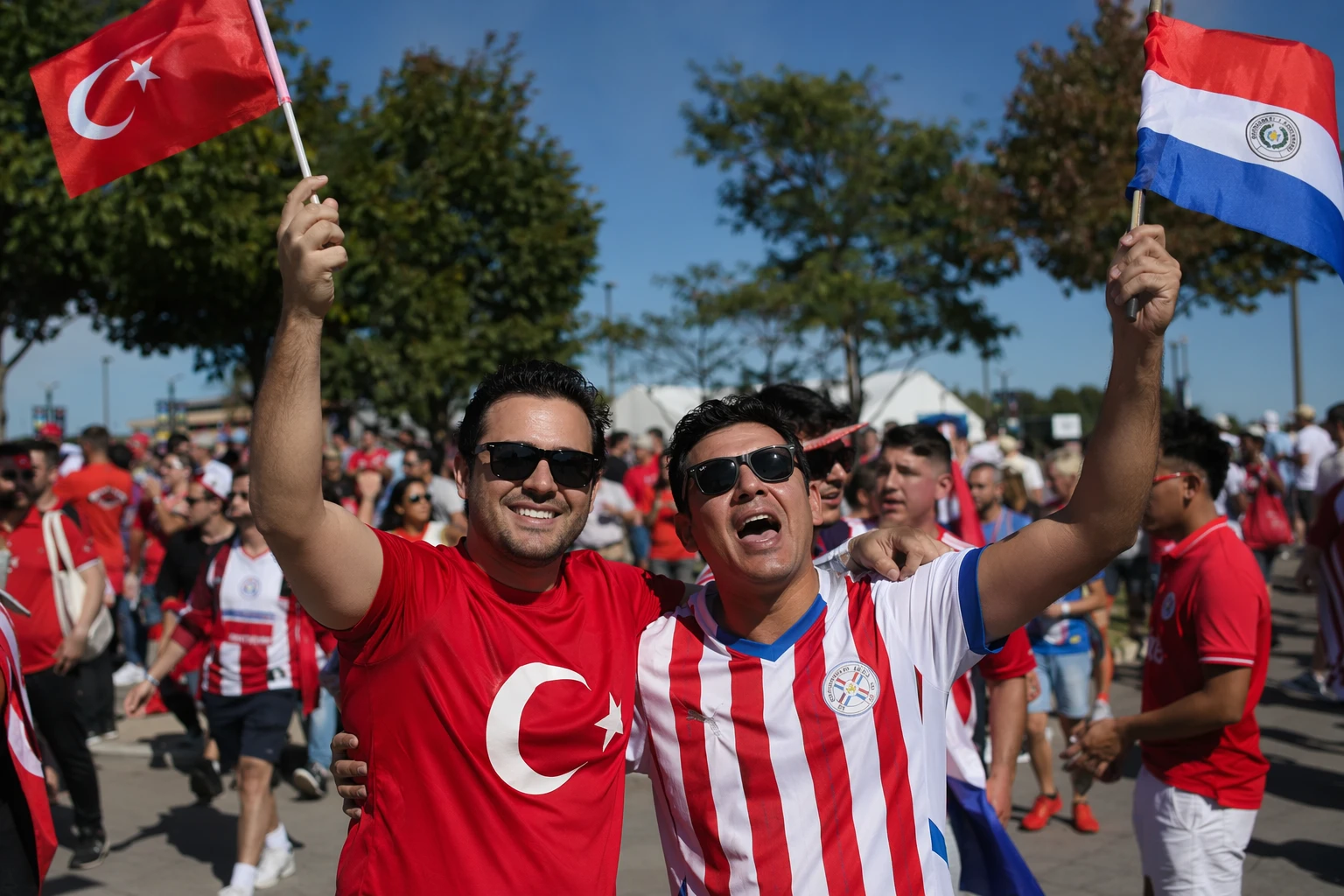
The game also carried unusual weight for both fan bases. Paraguay came into the tournament after missing the World Cup since 2010, when it reached the quarterfinals, while Turkey returned to the final stage after a 24-year absence. That history gave the Santa Clara gathering a sharper edge, with supporters treating the match as a rare chance to see their national teams on the sport’s biggest stage in the United States.
The Bay Area’s role in the tournament extends beyond one match night. FIFA has identified the host site as a regional hub for teams including Qatar, Switzerland, Austria, Jordan, Paraguay, Algeria and Australia, reinforcing the Bay Area’s place in the tournament’s American footprint. Local officials have said the World Cup will bring enthusiasm, civic pride and economic opportunity to Santa Clara and the surrounding area, and regional estimates have put the impact for the Bay Area at between $270 million and $360 million.
For Santa Clara, the fans spilling into public space were a visible sign of that larger payoff. The city was not just hosting a game; it was serving as a temporary meeting point for immigrant communities, traveling supporters and a tournament with the scale to change how the region is seen, and spent in, during the summer of 2026.