Technology
Parents Call for Careful Use of AI in Schools
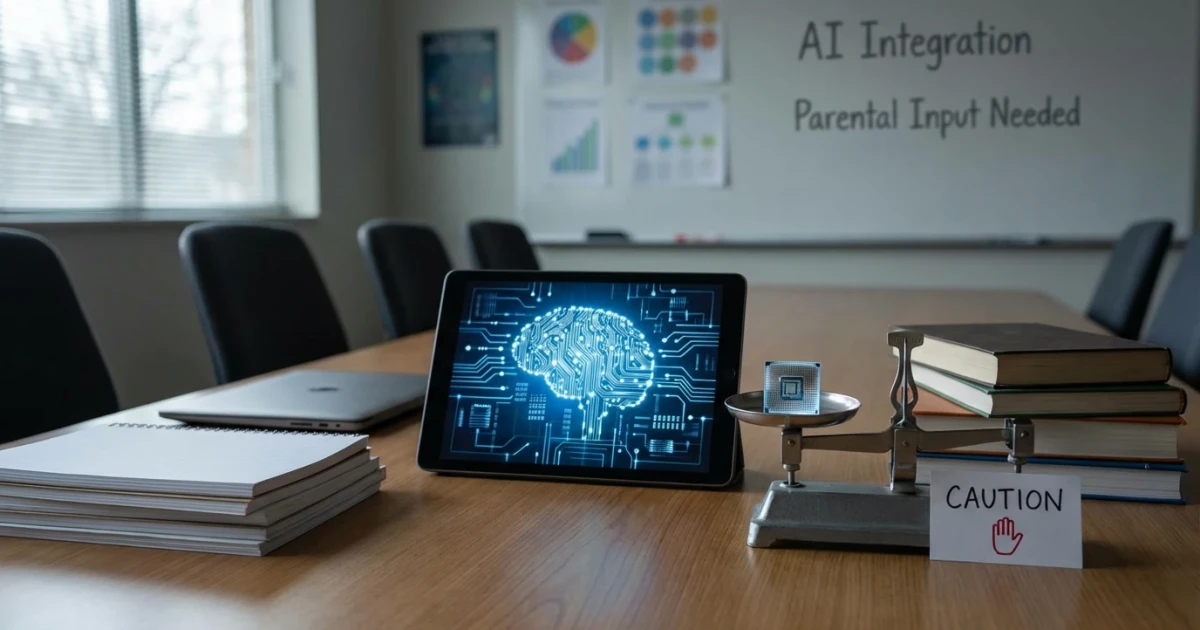
Mothers across the political spectrum are raising concerns about the rapid adoption of artificial intelligence (AI) in American schools, highlighting a growing demand for transparency, safety, and thoughtful integration of these technologies in K-12 education.
Growing Parental Concerns About AI in Education
As school districts nationwide explore the use of AI to support teaching and learning, parents—particularly mothers—are urging educators and policymakers to proceed with caution. According to Education Week, these concerns are not limited to one political or ideological group, but span a wide range of backgrounds and beliefs. This unified call underscores the complexity of introducing advanced technologies in settings where children’s privacy, safety, and equitable access are paramount.
Parents' worries reflect broader public debates about the role of AI in education, including the risks of bias, data privacy, and the potential for technology to widen existing inequalities. These issues are especially acute given the increasing integration of digital tools in schools—recent data shows that nearly all U.S. public schools now have internet access, enabling widespread use of digital and AI-powered resources.
Key Issues: Privacy, Safety, and Equity
- Data Privacy: Many mothers are concerned about how student information is collected, stored, and used by AI systems. AI-powered tools often require access to sensitive data, raising questions about who controls this information and how it might be shared.
- Algorithmic Bias: Parents from varied political backgrounds worry that AI could reinforce existing biases or treat students unfairly. Studies from the Brookings Institution and RAND Corporation have noted that without careful oversight, AI can unintentionally disadvantage certain groups of students.
- Transparency: There is a strong demand for clarity about how AI tools make decisions that affect students, such as grading, personalized learning paths, or disciplinary actions. Parents want educators to explain how these systems work and to offer alternatives when appropriate.
- Equitable Access: Some mothers fear that AI could exacerbate educational inequities if not all schools have the resources or infrastructure to implement these technologies effectively.
Balancing Innovation with Caution
While acknowledging the promise of AI to personalize learning and support teachers, parents urge a balanced approach. Education Week reports that mothers are advocating for pilot programs, ongoing evaluation, and opportunities for parental input before AI tools are widely adopted. They also support professional development for educators to ensure that AI is used responsibly and effectively in the classroom.
These perspectives align with recommendations in federal guidance from the U.S. Department of Education, which calls for ethical, transparent, and equitable use of AI in schools. The agency emphasizes the need for policies that address privacy, security, and fairness while enabling innovation.
What Data and Research Show
Recent surveys and research—such as those compiled by Common Sense Media—confirm that parents' concerns are widespread. Key findings include:
- Majority of parents express moderate to high levels of concern about student data privacy and security in AI-powered platforms.
- Many parents want more information and transparency about how AI is used in their children’s education.
- Support for AI is often conditional on strong safeguards and the ability for parents to opt out of certain technologies.
Despite these concerns, schools are increasingly implementing AI tools for adaptive learning, administrative tasks, and classroom management, according to Education Week's data on AI in schools. This rapid expansion makes the call for caution and oversight even more urgent in the eyes of parents.
Looking Ahead
As AI becomes more prevalent in classrooms, the voices of parents—especially mothers advocating for their children's well-being—will play a vital role in shaping policies and practices. School leaders, policymakers, and technology companies are being challenged to prioritize transparency, equity, and safety as they integrate AI into education. The coming years will be crucial for building trust and ensuring that the benefits of AI are realized without compromising students’ rights or opportunities.