Health
Parents Grapple with Shifting Vaccine Recommendations Amid Uncertainty
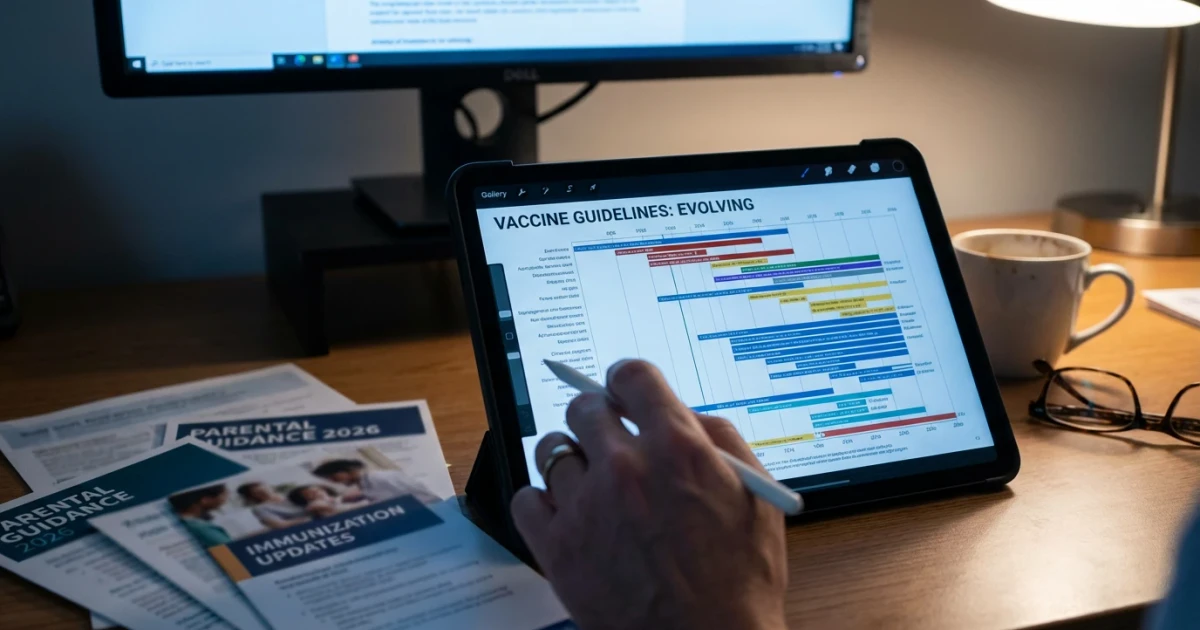
As new vaccine recommendations are rolled out nationwide, parents are facing an unprecedented mix of uncertainty, confusion, and responsibility in safeguarding their children’s health. The recently updated immunization guidelines have sparked questions among families, as well as among healthcare providers, about the best course of action moving forward.
The Challenge of Changing Vaccine Guidelines
The latest recommendations—released by leading health authorities—reflect ongoing research and the need to address emerging diseases, but the changes have not been universally understood. Parents are reporting confusion over which vaccines are newly required, how schedules have shifted, and what is best for their children’s unique situations.
- Some vaccines have been added to the routine schedule, while others now have altered timing or age recommendations.
- Healthcare providers are adapting to the new guidance, but the pace of information dissemination has left some gaps in communication with families.
Many parents are turning to pediatricians and official public health resources to verify what their children need and when. Because vaccine guidance is often updated in response to new variants of diseases or changes in infection patterns, families are required to stay alert to new developments—sometimes resulting in uncertainty and stress.
Balancing Concerns and Trust
In the midst of these changes, trust in medical authorities remains a crucial factor. Parents who have long followed established immunization schedules now find themselves weighing new information. The complexity is compounded for families with children who have special health considerations or those who have experienced side effects in the past.
While most parents remain committed to protecting their children, the evolving recommendations have highlighted a need for clearer, more accessible communication from both public health officials and healthcare providers. This is especially important as misinformation about vaccines continues to circulate online and in some communities.
Implications for Public Health
The process of updating vaccine guidance is based on the best available science, but rapid change can create openings for confusion and hesitancy. Public health experts emphasize the importance of widespread immunization in preventing outbreaks of dangerous diseases. However, mixed messaging or unclear rollouts can inadvertently bolster anti-vaccine sentiments, making it vital for officials to address concerns directly and transparently.
- Most parents are seeking accurate information and making decisions with their children’s well-being in mind.
- Healthcare providers are key allies in guiding families through the new recommendations.
Looking Ahead: The Need for Clear Communication
As parents continue to navigate the shifting landscape of vaccine recommendations, the call for clear, consistent messaging grows louder. Ensuring that families have easy access to up-to-date, evidence-based information will be essential to maintaining high rates of immunization and public trust.
In the coming months, parents, healthcare providers, and public health leaders will need to work together to bridge gaps in understanding and ensure that every child receives the protection they need. Staying informed, asking questions, and relying on trusted medical sources remain vital steps for families in this new era of immunization guidance.