World
Paris limits alcohol sales as heat wave strains hospitals
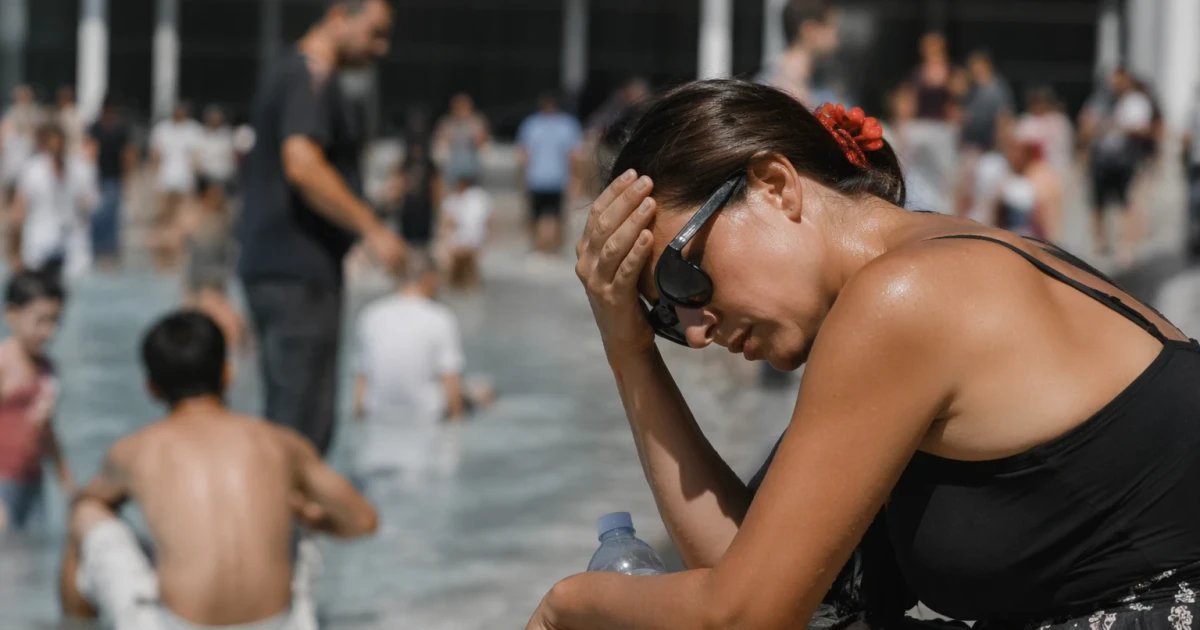
Paris moved to curb public drinking and alcohol sales as the city’s health services came under growing strain from a severe early-season heat wave. Police prefect Patrice Faure said the restrictions were meant to ease pressure on hospitals, which he said were approaching saturation and risked leaving the healthcare system paralysed as heat-related admissions climbed.
The order took effect from noon Friday, June 26, 2026, banning public alcohol consumption until 7:00 Saturday and then again from noon Saturday until 7:00 Sunday. Takeaway and retail alcohol sales were also restricted from 18:00 on Friday and Saturday, while bars and restaurants were not included in the measure. The move followed a broader warning across France, where authorities said more than 90 percent of the population would be affected by the heat on Monday.
Meteorologists placed about a third of the country under the highest red heat alert, with temperatures in some areas around 40 C and forecasts reaching as high as 41 C. France’s weather service said 49 departments would be under red alert on Monday, a record. Emergency services and military forces were also put on wildfire alert as the country faced one of its most severe and unusually early heat waves.
Paris police asked organisers to cancel several major public events, including the Paris Pride march and the Solidays music festival, as officials tried to reduce exposure for large crowds during the hottest period. France’s annual Fête de la musique was already being disrupted, with some concerts cancelled and alcohol limits imposed in red-alert zones.
The public-health logic behind the restrictions is straightforward. Alcohol can worsen dehydration and increase the risk of heatstroke, two dangers that become more acute when temperatures stay high through the night and emergency departments are already stretched. That is why the measures reached beyond bars and into the street, where public drinking can quickly add to dehydration, crowding and avoidable ambulance calls.
President Emmanuel Macron urged people to look out for the elderly, children and others who are isolated or vulnerable. In Paris and beyond, the response showed how extreme heat is no longer treated as a passing weather event but as a governance problem that can force cities to rewrite ordinary rules in real time.
Sources
- [1]nytimes.com
- [2]usnews.com
- [3]connexionfrance.com
- [4]france24.com
- [5]reuters.com