Politics
Parliamentary Control Session Puts Government Policies Under Scrutiny
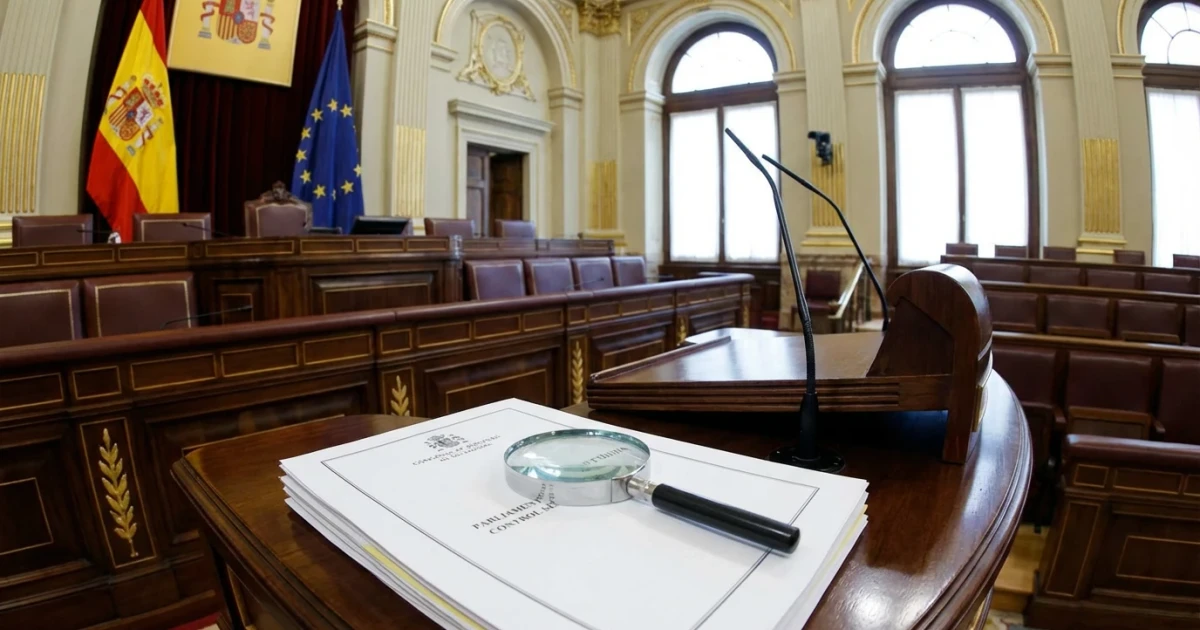
Parliament convened for a high-stakes control session on Tuesday, providing a forum for lawmakers to question the government on its latest initiatives and pressing national issues. The event, which drew significant public and media attention, is part of Spain’s regular parliamentary oversight process designed to ensure executive accountability.
Control Session: A Pillar of Parliamentary Oversight
The control session in the Congress of Deputies is a cornerstone of Spain’s democratic system. These sessions, held regularly, allow members of parliament to pose direct questions to government ministers, demand explanations for policy decisions, and highlight urgent social and economic concerns. According to the official records, hundreds of initiatives—including oral questions, interpellations, and motions—are addressed in each annual cycle, reflecting the breadth of topics under scrutiny.
Key Themes and Issues Raised
During the latest session, opposition parties focused on several high-priority areas:
- Economic Policy: Lawmakers pressed the government on its strategy to tackle inflation and address rising energy costs, issues that have sparked public debate and concern in recent months.
- Social Services: Questions were raised regarding funding for healthcare and education, with opposition MPs asking for greater transparency and efficiency in resource allocation.
- Regional Relations: The session also featured pointed inquiries about the government’s approach to regional autonomy, particularly in the context of ongoing debates over fiscal policy and inter-regional transfers.
This wide-ranging agenda exemplifies the function of these sessions as platforms for democratic engagement and executive oversight.
Procedures and Impact
As outlined in the official guide to government control, each control session begins with oral questions, followed by interpellations and debate on motions. Ministers are required to respond promptly, providing justifications for recent actions and laying out the government’s vision for upcoming policy challenges. These exchanges are recorded and made available to the public, ensuring transparency and public access to government responses.
Recent studies on parliamentary oversight highlight the effectiveness of these sessions in holding the executive branch to account, noting that the quantity and quality of parliamentary questions have increased in recent years. This trend reflects a broader push for government transparency and citizen engagement.
Comparison with Senate Oversight
While the Congress of Deputies conducts the majority of high-profile control sessions, the Senate also plays a crucial role in the oversight process by conducting its own sessions and inquiries. Together, both chambers provide a comprehensive framework for monitoring government activity and fostering debate on public policy.
Looking Forward
With upcoming sessions already scheduled and a growing number of questions submitted by MPs, government oversight is expected to remain a central feature of Spain’s democratic process. As economic and social challenges evolve, these parliamentary mechanisms will continue to facilitate dialogue and ensure that the executive remains accountable to the people’s representatives.