Politics
Partial US Shutdown Deepens Congressional Stalemate
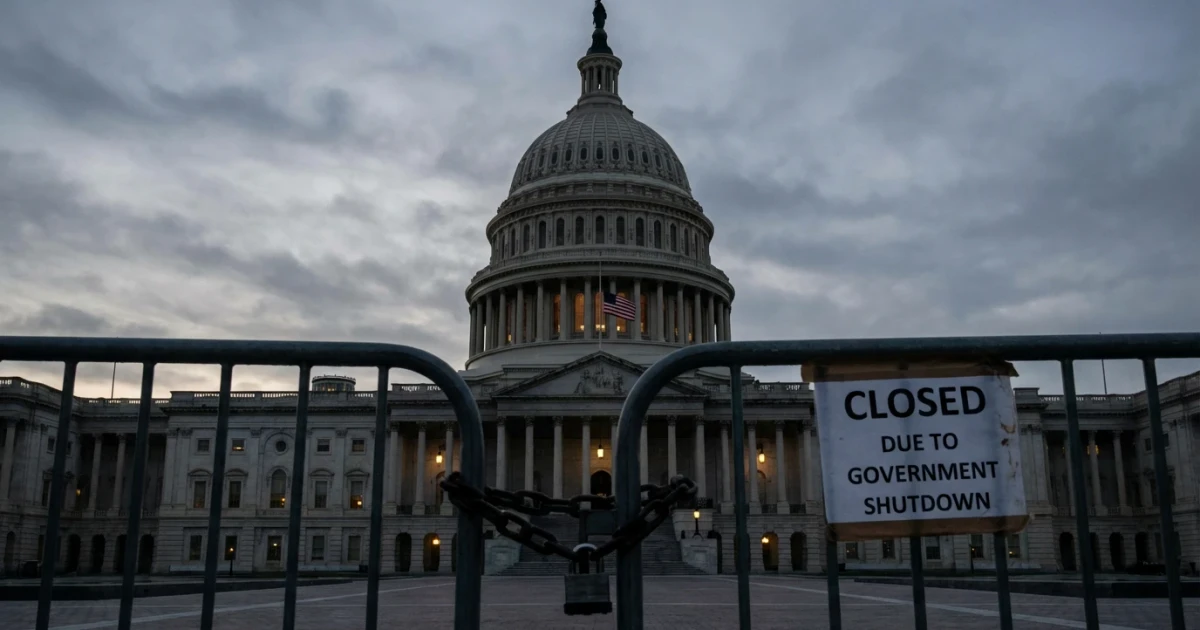
Washington, D.C. — The United States is once again grappling with a partial federal government shutdown, plunging Congress into a fresh wave of turmoil and highlighting persistent divisions over budget priorities. The current impasse has triggered the suspension of key government services and left hundreds of thousands of federal workers in limbo.
Shutdown Triggers and Congressional Deadlock
The latest funding lapse, reported by the South China Morning Post, comes amid sharp disagreements in Congress over spending levels and policy provisions. As lawmakers failed to pass a comprehensive appropriations bill by the deadline, a partial shutdown was implemented, affecting multiple federal agencies and services.
- According to the Government Accountability Office, shutdowns have become increasingly frequent in recent years, reflecting deepening partisan divides.
- Historical data from the Congressional Research Service shows that since 1976, there have been over 20 funding gaps, with durations ranging from a single day to more than a month.
Impact on Federal Workers and Services
With the partial shutdown in effect, many federal employees face furloughs, while others are required to work without pay. Guidance from the Office of Personnel Management outlines which agencies and services remain operational and which are paused. Essential functions, such as national security and public safety, continue, but a wide range of administrative and public-facing services are disrupted.
- During the previous major shutdowns, data from the Pew Research Center indicated that nearly 800,000 federal workers were affected by furloughs or unpaid work.
- Public-facing services such as national parks, museums, and routine agency operations are among the first to close during funding gaps.
Economic and Political Consequences
Government shutdowns have measurable impacts on the broader economy and federal operations. Analysis from the Congressional Budget Office has shown that shutdowns reduce quarterly GDP growth, delay government contracts, and disrupt economic activity nationwide. The uncertainty also undermines public trust in government institutions and often results in delayed payments to federal contractors and grantees.
- The 2018-2019 shutdown, the longest on record, cost the US economy an estimated $11 billion, according to CBO analysis.
- Monthly federal receipts and outlays, tracked in the Monthly Treasury Statement, typically show short-term fluctuations during shutdown periods as government activity slows.
Paths Forward and Uncertain Negotiations
Congress faces mounting pressure to reach a compromise and restore full government operations. While temporary funding measures—known as continuing resolutions—can buy time, they often fail to resolve underlying disputes. As negotiations drag on, both parties risk political fallout and public frustration.
The official congressional record documents each shutdown’s timeline and ultimate resolution, underscoring the recurring nature of these fiscal clashes.
Looking Ahead
As the stalemate continues, the pressure on congressional leaders intensifies. With each day of the shutdown, the costs—both economic and political—mount, making a prompt resolution critical for federal employees, agencies, and the public at large. Observers and analysts will continue to monitor legislative developments as Congress seeks a path out of the current gridlock.