Politics
Partisan Rift Continues Over DHS Funding Stalemate
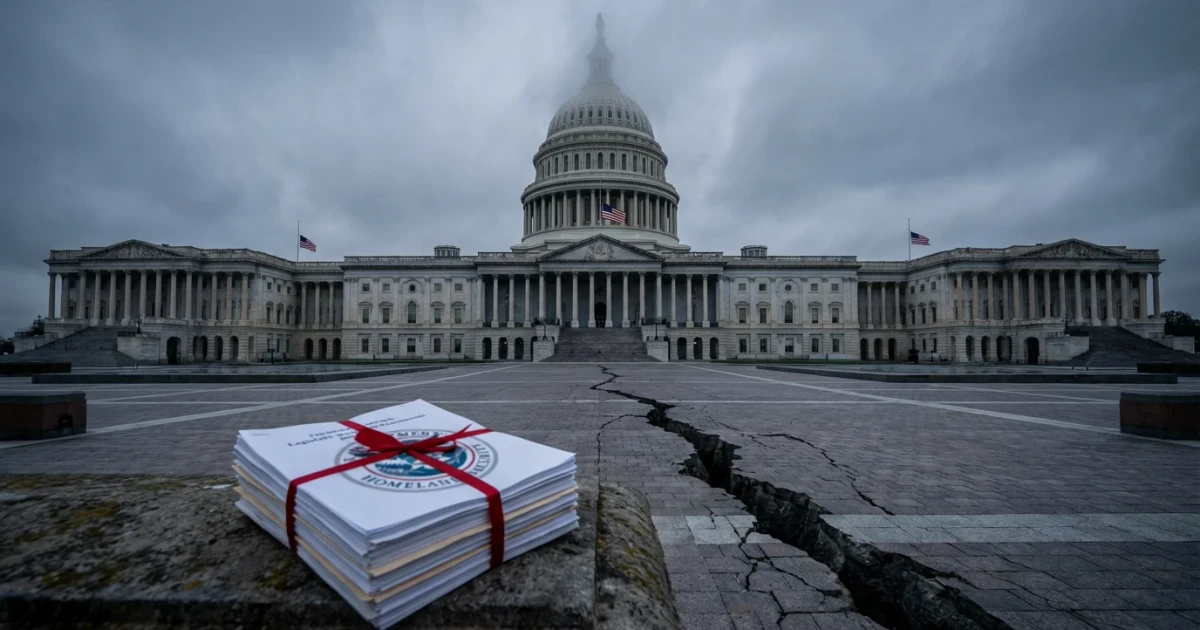
Congressional negotiations over the Department of Homeland Security (DHS) budget reached another stalemate this week, after Republican lawmakers rejected a Democratic proposal intended to resolve the ongoing funding impasse. The disagreement, as reported by The New York Times, threatens to prolong uncertainty for major security operations and federal employees across the country.
Key Issues at Stake in the DHS Budget
The current impasse centers on the Department of Homeland Security Appropriations Act, 2024 (H.R.4367), which sets annual funding levels for critical agencies like U.S. Customs and Border Protection, the Transportation Security Administration, and the Federal Emergency Management Agency. The bill outlines allocations for border security, disaster response, and cybersecurity programs, but partisan differences over policy riders and spending priorities have stalled its passage.
- The Congressional Budget Office estimates the bill would provide over $60 billion in discretionary budget authority for DHS programs in fiscal year 2024.
- DHS Budget in Brief data shows spending priorities include border management, anti-terrorism operations, and disaster relief, with funding breakdowns across agency components like ICE and FEMA.
- Historically, DHS appropriations have required bipartisan support due to the department’s broad national security mission, as highlighted by the Pew Research Center.
Partisan Disagreements and Legislative Gridlock
According to The New York Times, Republican leaders in Congress rejected the latest Democratic proposal, citing concerns over border security provisions and the inclusion of policy measures they argue would weaken immigration enforcement. Democrats, for their part, have pushed for balanced funding that addresses both security and humanitarian priorities, including resources for asylum processing and disaster response.
The Congressional Research Service notes that partisan disputes over immigration policy have become a recurring source of gridlock in DHS appropriations negotiations, with similar deadlocks occurring in recent years. The current standoff reflects deep divisions over how to address border management, workforce needs, and oversight of DHS operations.
Impact on Agencies and National Security
The funding stalemate leaves DHS components facing operational uncertainty. Without a new appropriations bill, agencies may be forced to operate under short-term continuing resolutions or face partial shutdowns, disrupting border security, disaster recovery, and cybersecurity efforts. Federal employees and contractors working for DHS could see delays in pay and program funding, affecting morale and readiness during a period of ongoing security threats.
- U.S. Customs and Border Protection and Immigration and Customs Enforcement are particularly affected, as policy disputes over border operations remain at the center of negotiations.
- FEMA’s disaster relief fund, which supports emergency responses to hurricanes, wildfires, and other crises, relies on timely appropriations to maintain readiness.
- Cybersecurity initiatives targeting critical infrastructure protection could face delays, according to official DHS budget documents.
What Comes Next
While lawmakers continue to negotiate, the status of the DHS Appropriations Act remains in limbo. Legislative tracking indicates that further amendments and closed-door discussions are likely in the coming weeks, as both parties seek a compromise to avert funding lapses. With security operations and disaster preparedness on the line, the pressure remains high for Congress to reach a bipartisan solution.
As the debate continues, the implications for homeland security, disaster response, and immigration enforcement will be closely watched by federal employees, state and local officials, and the public at large.