Sports
Países Bajos y Japón debutan en un grupo exigente del Mundial 2026
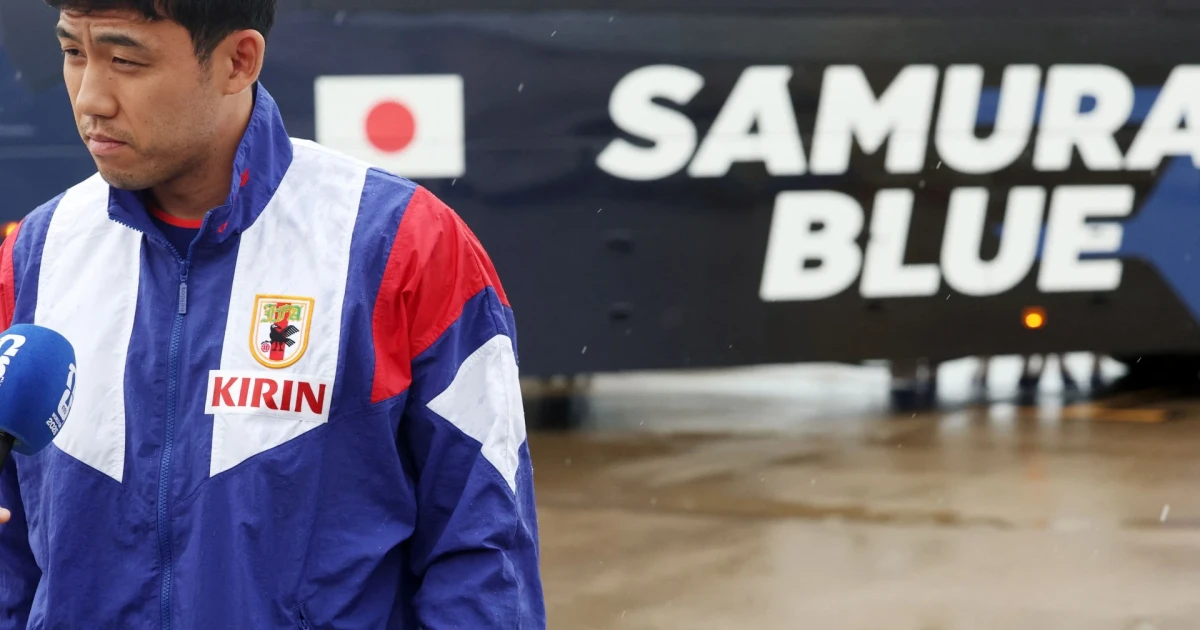
The tunnel outside Dallas Stadium felt like a hinge between hope and pressure as Japan and the Netherlands headed toward their World Cup opener. Both arrived knowing this Group F match could shape the route to the round of 16, in a tournament that had swollen to 48 teams, 104 matches and 16 host cities across Canada, Mexico and the United States.
Japan faced the sharper blow. Wataru Endo, its captain, was ruled out by injury just three days before kickoff, and Ko Itakura inherited the armband for a first test that Hajime Moriyasu framed in stark terms, with Japan approaching the match through a lens of “survival.” That was not just a motivational line. In a group that also drew FIFA’s attention on a day featuring Sweden against Tunisia in Monterrey, Japan entered its opener needing stability immediately, before the bracket tightened around it.
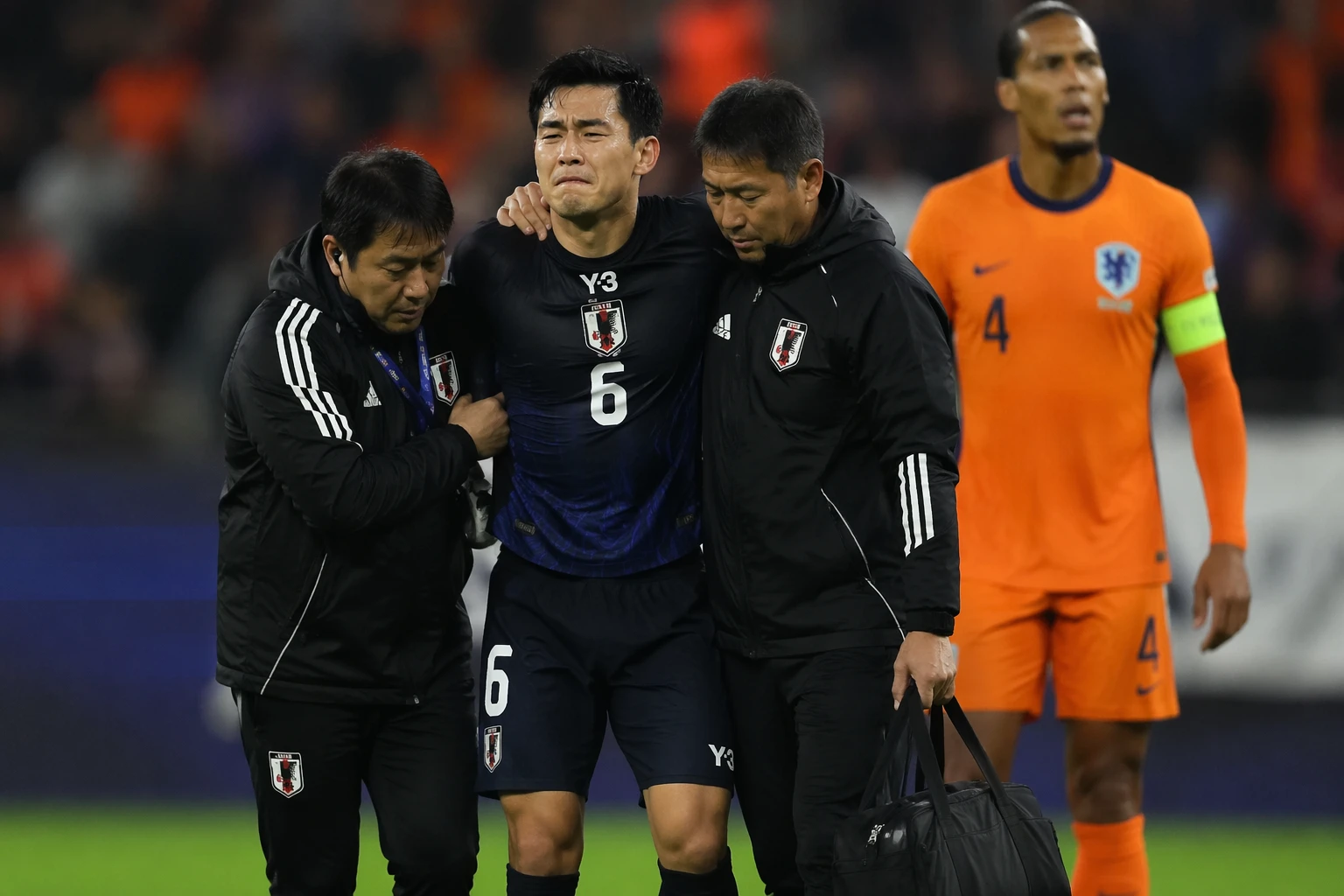
The Netherlands, meanwhile, came in with the burden of expectation that follows a team with history and form. Ronald Koeman, now in his second spell as coach since January 2023, had guided the side through an unbeaten European qualifying campaign, one in which the Dutch scored 25 goals and conceded only two across six matches. Virgil van Dijk captained a squad built around proven attacking and midfield quality, with Memphis Depay, Cody Gakpo, Donyell Malen and Frenkie de Jong among the names expected to carry the load.
For the Dutch, the opener was about confirming that qualification momentum could survive contact with World Cup pressure. For Japan, it was about absorbing an early setback and proving it could still compete at the level required to escape a difficult group. The tactical stakes were obvious: the Netherlands needed control, width and finishing; Japan needed organization, discipline and a response to the absence of its most important leader.
The historical backdrop only sharpened the contrast. The Netherlands have been three-time finalists, in 1974, 1978 and 2010, and have reached the knockout phase in every World Cup they have played since 1974. Japan, for its part, arrived intent on strengthening its standing as an Asian force on the world stage. In a group that offered little margin for error, the opener was never just the first game. It was the first verdict.
Sources
- [1]telemundo.com
- [2]fifa.com
- [3]thestar.com.my