World
Passenger helps restrain Air Canada pilot during apparent in-flight seizure
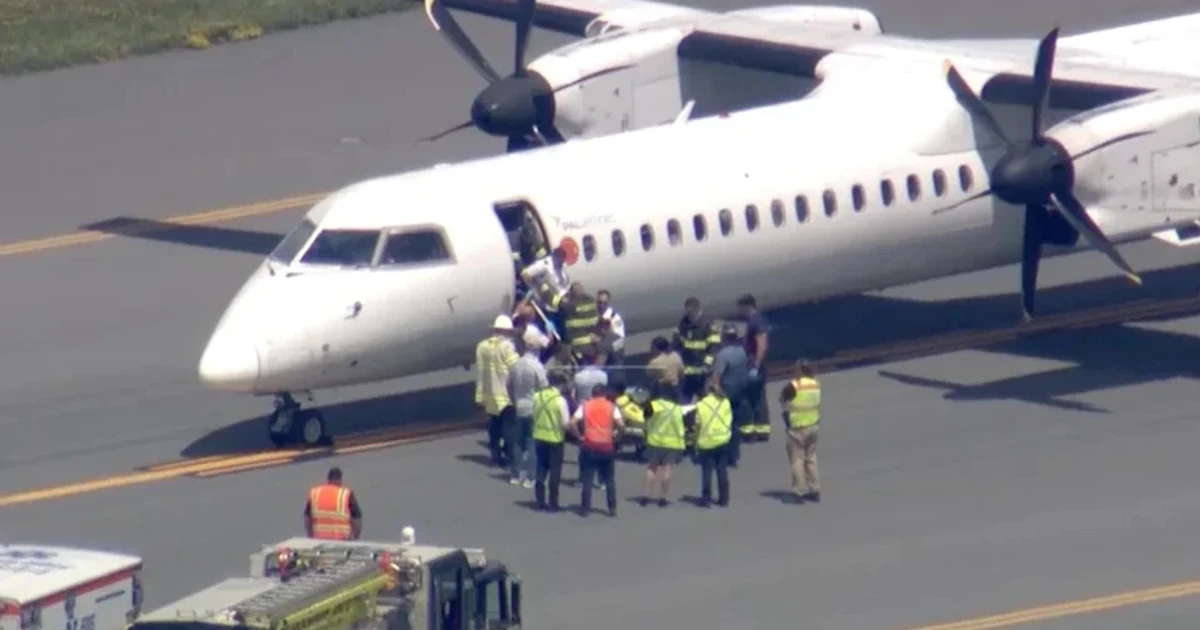
A passenger and several others restrained an Air Canada pilot after a medical emergency forced a Boston diversion on a Newark-to-Halifax flight carrying 61 people.
Air Canada Flight AC7664, operated by regional partner PAL Airlines, was headed from Newark Liberty International Airport to Halifax Stanfield International Airport on Wednesday, June 24, 2026, when the captain experienced what the airline called a medical emergency. Air Canada said the captain was removed from the flight deck under safety protocols, and the first officer took control of the De Havilland Q400 and diverted the aircraft to Boston Logan International Airport, where it landed safely.
Rodney McDonald told ABC News that the plane suddenly lurched and felt like "someone had jilted the controls." He said a flight attendant rushed into the cockpit and dragged one of the pilots into the aisle, and that he and about four other passengers helped restrain him while the co-pilot continued flying the plane to Boston. McDonald said the episode lasted about 40 minutes and described it as "terrifying."
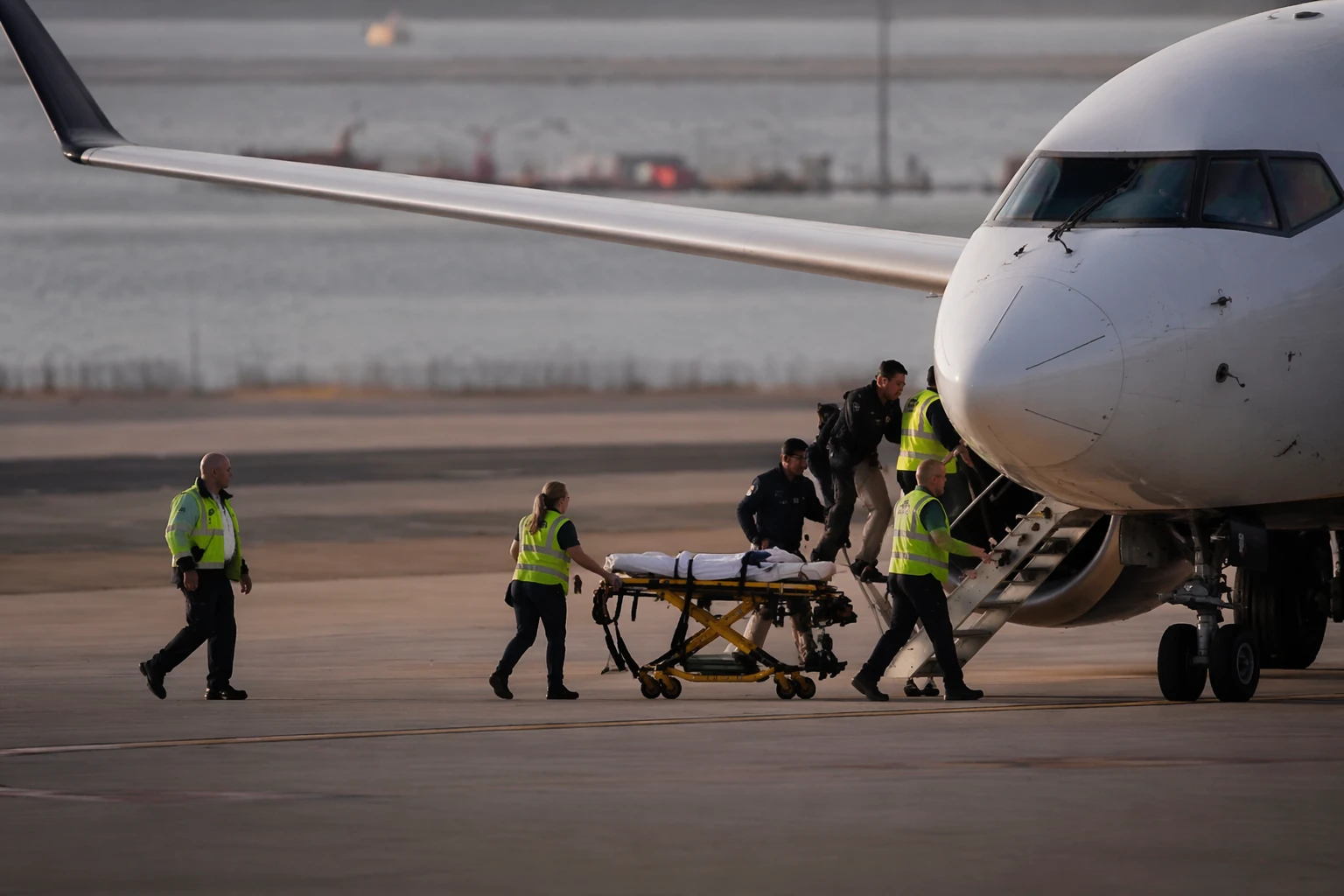
Massachusetts State Police said the aircraft landed without incident. The Federal Aviation Administration said the flight was diverted after a pilot medical emergency, and police said the pilot was taken to Massachusetts General Hospital for treatment. Air Canada said it was arranging alternate travel for passengers after the unscheduled stop.
Flight-tracking data showed the aircraft left Newark at 12:55 p.m. EDT and reached Boston about an hour later. The Newark-to-Halifax route normally takes about 2 hours and 15 minutes, underscoring how quickly the crew had to decide between continuing north and bringing the plane down in the nearest major airport.
The incident highlights a standard but rarely tested part of airline safety training: when a pilot becomes incapacitated, the other pilot is expected to assume control immediately, cabin crew are trained to secure the cockpit, and diversion decisions can be made with help from ground-based medical support. CBC Radio has cited research suggesting in-flight medical emergencies occur roughly once every 212 flights, a reminder that airlines plan for these events even when they are uncommon.
The episode also lands against the backdrop of earlier scrutiny over Air Canada’s handling of a medical emergency. In 2023, a family criticized the airline after a different long-haul flight was not diverted when a passenger developed severe symptoms and later died after landing. This latest case, by contrast, ended with the aircraft on the ground in Boston, the captain in hospital, and the first officer bringing the Q400 in safely.
Sources
- [1]abcnews.com
- [2]halifax.citynews.ca
- [3]turnto10.com
- [4]cbc.ca
- [5]aircanada.com