Health
Passengers Disembark St. Helena Ship Amid Hantavirus Outbreak
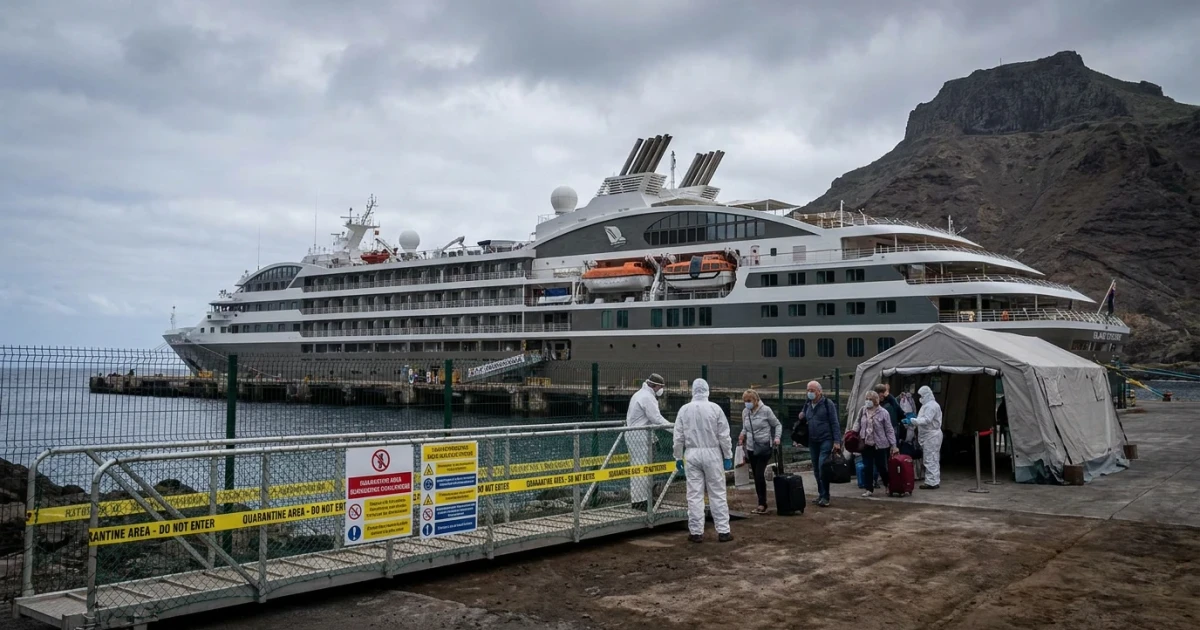
About 40 passengers have disembarked from a ship at the remote island of St. Helena following a Hantavirus outbreak on board, according to reports from AP News. The incident has brought renewed attention to the challenges of infectious disease management in isolated locations and the importance of swift containment measures.
Hantavirus Outbreak Prompts Swift Response
AP News reported that the vessel was anchored off St. Helena when several cases of Hantavirus were identified among passengers. Authorities quickly implemented quarantine protocols, isolating those on board and initiating health screenings.
According to guidance from the World Health Organization, Hantavirus is typically transmitted to humans through contact with rodent droppings, urine, or saliva, and can lead to severe respiratory or hemorrhagic symptoms. While rare, outbreaks can cause significant concern due to high fatality rates and the need for rapid public health intervention.
Passengers Leave Ship, Officials Monitor Situation
About 40 passengers were allowed to leave the vessel after completing initial health checks. Officials on St. Helena, a remote South Atlantic island with limited medical infrastructure, have been working closely with international agencies to monitor for any signs of illness among disembarked individuals. The European Centre for Disease Prevention and Control notes that containment relies heavily on early detection and isolation of suspected cases to prevent local transmission.
- Number of passengers disembarked: approximately 40
- Current medical status: under observation, with no further confirmed cases on the island as of latest reports
- Quarantine measures: enforced on board and at the island's entry port
St. Helena’s Public Health Capacity Tested
St. Helena, with a population of just over 4,500 according to official government statistics, faces unique challenges in responding to sudden outbreaks. The island's isolation means resources and advanced medical support can be delayed, increasing the importance of preparedness and international cooperation.
Health authorities have followed WHO guidelines for Hantavirus prevention, diagnosis, and control, including contact tracing and strict hygiene protocols on board and on shore. The incident has underscored the value of rapid response plans, especially in remote or resource-limited settings.
Global Context and Ongoing Surveillance
Hantavirus outbreaks, while uncommon, have been documented in various regions around the world. CDC surveillance data highlight the importance of ongoing monitoring, particularly in situations involving confined populations such as cruise ships or remote communities.
AP News noted that the St. Helena outbreak coincides with increased vigilance in Europe, where other Hantavirus cases, such as a recent incident in Switzerland, have prompted contact tracing efforts and public health alerts.
Looking Ahead
As St. Helena authorities continue to monitor the health of disembarked passengers and enforce containment measures, the episode serves as a reminder of the global nature of infectious disease threats. Collaboration between local health officials and international agencies remains crucial to preventing further spread and protecting vulnerable populations.
For more on Hantavirus surveillance and public health recommendations, see the CDC’s official surveillance data and the WHO Hantavirus fact sheet.