Technology
Patent Disputes and Fees Hinder 4K Video in Devices
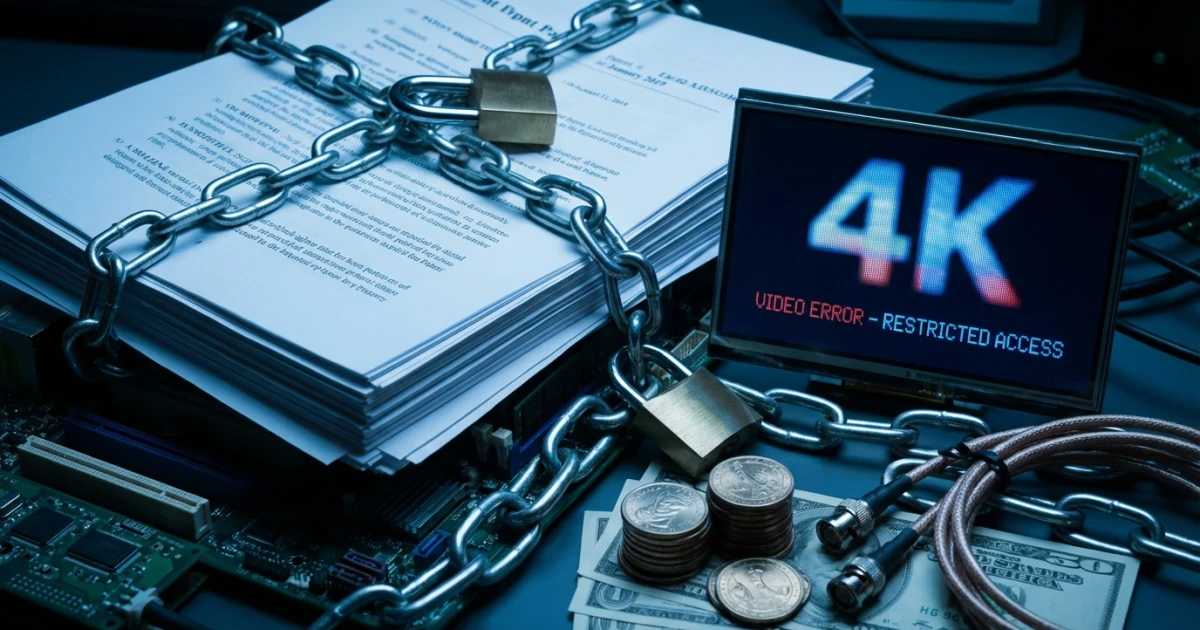
4K video support—once seen as the next frontier in consumer electronics—is facing significant hurdles as lawsuits, licensing disputes, and royalty demands complicate the technology’s adoption in everyday gadgets. Industry experts and recent filings reveal that legal and financial pressures are slowing the rollout of 4K video on devices ranging from smartphones and streaming boxes to televisions and gaming consoles.
Legal Battles Over Video Codecs
At the heart of the issue is the High Efficiency Video Coding (HEVC) standard, also known as H.265. Widely used for compressing large 4K video files to manageable sizes, HEVC’s implementation is governed by numerous patents. The MPEG LA patent pool lists dozens of companies as licensors, all entitled to royalties from device makers. However, not all patent holders participate in the same pools, resulting in a patchwork of licensing requirements.
This fragmented landscape has led to a surge in patent litigation. Recent US International Trade Commission filings, such as Investigation No. 337-TA-1088, highlight how disputes over HEVC patents have targeted major device manufacturers. As Ars Technica reported, these lawsuits can threaten the import or sale of popular streaming devices if companies are found to infringe on patents they haven’t licensed.
Growing Royalty Burden for Manufacturers
The cost of supporting 4K video is rising as more patents are enforced and additional licensing programs emerge. Alongside MPEG LA, companies like Sisvel have launched their own video codec licensing initiatives, expanding the list of patents that device makers must pay for. The result is a complex web of royalty obligations, with some sources estimating that a single device could incur fees from multiple pools and independent patent holders.
- Device makers must navigate dozens of licensors for HEVC alone
- Royalty rates can vary depending on device type and market
- Some companies opt to disable 4K playback or limit codec support to avoid legal risk
Impact on Consumers and Streaming Services
For consumers, these legal and financial obstacles can lead to missing features or inconsistent experiences. Some streaming platforms have been forced to limit or delay 4K video support on certain devices due to unresolved licensing issues. Open-source projects like FFmpeg may exclude or restrict HEVC support in some builds, reflecting the uncertainty many developers face.
The growing complexity has also spurred interest in alternative video codecs. For example, the AV1 codec—backed by major tech firms—offers royalty-free compression and is increasingly supported by new hardware. However, AV1 adoption remains uneven, and HEVC still dominates much of the 4K video ecosystem, especially for streaming and broadcast applications.
Technical and Policy Challenges Remain
The legal wrangling has technical consequences, too. Implementing a fully compliant HEVC solution can require careful engineering to avoid patent infringement. Developers and manufacturers must track changes in licensing terms, royalty rates, and the outcome of ongoing lawsuits to ensure their products stay on the right side of the law.
Advocacy groups like the Electronic Frontier Foundation have called for reform of video codec patents, arguing that the current system inhibits innovation and burdens both consumers and developers.
Looking Ahead
As 4K video grows more popular, the legal and financial hurdles facing device makers are unlikely to disappear soon. Industry observers predict continued litigation and evolving licensing models, with the potential for even greater fragmentation as new codecs and patents enter the market. For now, consumers may continue to encounter gaps in 4K video support—an issue rooted not in hardware or demand, but in the complex world of licensing and intellectual property.