Technology
Peak Design's modular camera bracket aims to solve AirTag tracking woes

Peak Design’s modular Field Bracket lands at the point where camera accessories are starting to absorb the chores once handled by loose add-ons. For photographers hauling expensive bodies and lenses through rideshares, airports and hotel lobbies, the appeal is simple: make the rig easier to track, easier to mount and harder to improvise under stress.
Tracking is becoming part of the camera purchase
The case for tracker-friendly hardware has grown because the failure modes are mundane and expensive. Camera owners are no longer worrying only about image quality and tripod fit, but also about what happens when a bag is left in an Uber, forgotten on a plane or separated from the rest of a kit during travel. That is why AirTags and similar finder tags have become common companions for camera gear, even though they were never designed as camera-native accessories.
Apple’s AirTag is tiny, at 11 grams, with a 1.26-inch diameter and a 0.31-inch height, and it uses Bluetooth, an Apple-designed U1 chip for Precision Finding and NFC for Lost Mode. Apple says the battery is user-replaceable and that estimated battery life is about a year, which is good enough for casual carry but still means another maintenance task for anyone who keeps a tag on every bag and camera body. The device also exists inside Apple’s Find My network, which makes it powerful for recovery but also ties it tightly to Apple’s ecosystem.
Peak Design is trying to pull tracking into the accessory stack
That ecosystem logic is exactly where Peak Design has made its name. The company already sells Capture camera clips and a wide range of camera gear, and its support pages cover how Capture works with an L-bracket as well as how third-party tripod plates and L-brackets fit into the Travel Tripod system. The new modular Field Bracket extends that same philosophy, treating the L-bracket not as a static metal plate but as a platform piece inside a broader camera setup.
Peak Design’s Field Plate is already on sale for $39.95, and the company describes it as a quick-connecting tripod plate that needs no tools. Its button-actuated connection screw mechanism and ergonomic thumb-drive handle are designed to speed up mounting and removal, exactly the kind of small workflow improvement that matters when gear is in and out of bags all day. Peak Design says the plate works with all of its tripods and most third-party Arca-compatible tripod heads, which gives the system a practical reach beyond one proprietary tripod.
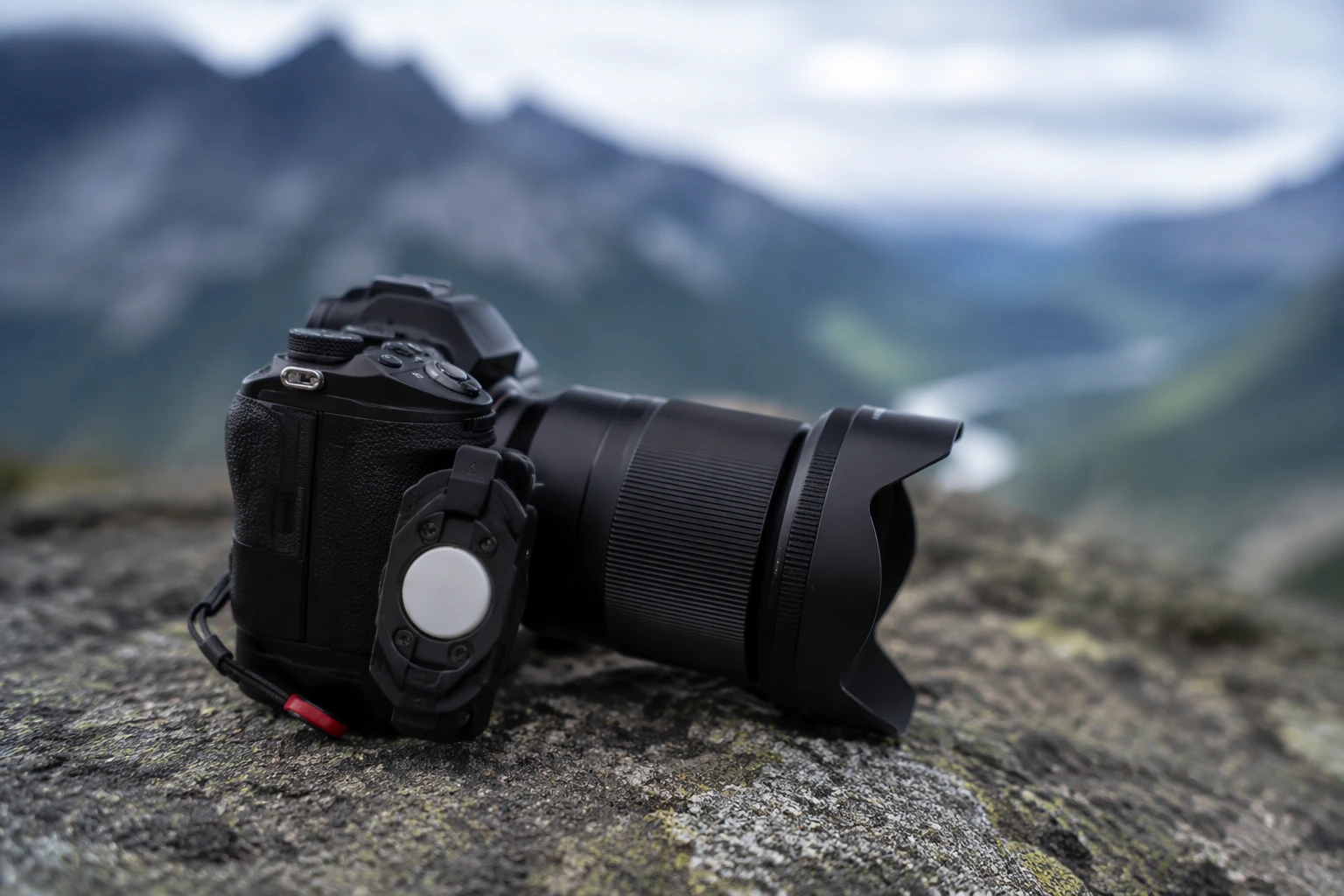
The company has also signaled that it wants user feedback before hardening the design. In April, Peak Design was asking photographers for input on an L-bracket survey, a useful clue that the brand sees this category as something to be tuned around real-world handling, not just showroom fit. That matters because the bracket is where the camera, tripod and recovery hardware all have to coexist without making the kit cumbersome.
Why separate AirTags still have a place
A separate AirTag remains the most flexible option because it can move from camera bag to backpack to roller case in seconds. That flexibility comes with a trade-off: on a camera, the tag is still an add-on, usually hanging off a strap or tucked into a mount that was not part of the original design. The result is extra clutter on gear that already carries grips, plates, cages and straps.
There is also the practical question of battery management. Apple’s one-year estimate is fine for a single item, but less elegant when multiple cameras, lenses and bags are all tagged. Even though the battery is replaceable, the maintenance cycle becomes part of ownership, which is exactly the sort of friction that can push buyers toward a more integrated solution if the hardware is well executed.
The aftermarket shows real demand for camera-specific mounts
Peak Design is not entering an empty market. Elevation Lab already sells an AirTag Camera Plate, which shows that camera owners are willing to buy products built specifically to hold a finder tag on a rig instead of improvising with generic mounts. 3 Legged Thing’s Ellie L-bracket system is also explicitly modular and comes with multiple base options, another sign that photographers value a system that can be adapted to different bodies and workflows rather than a one-size-fits-all plate.
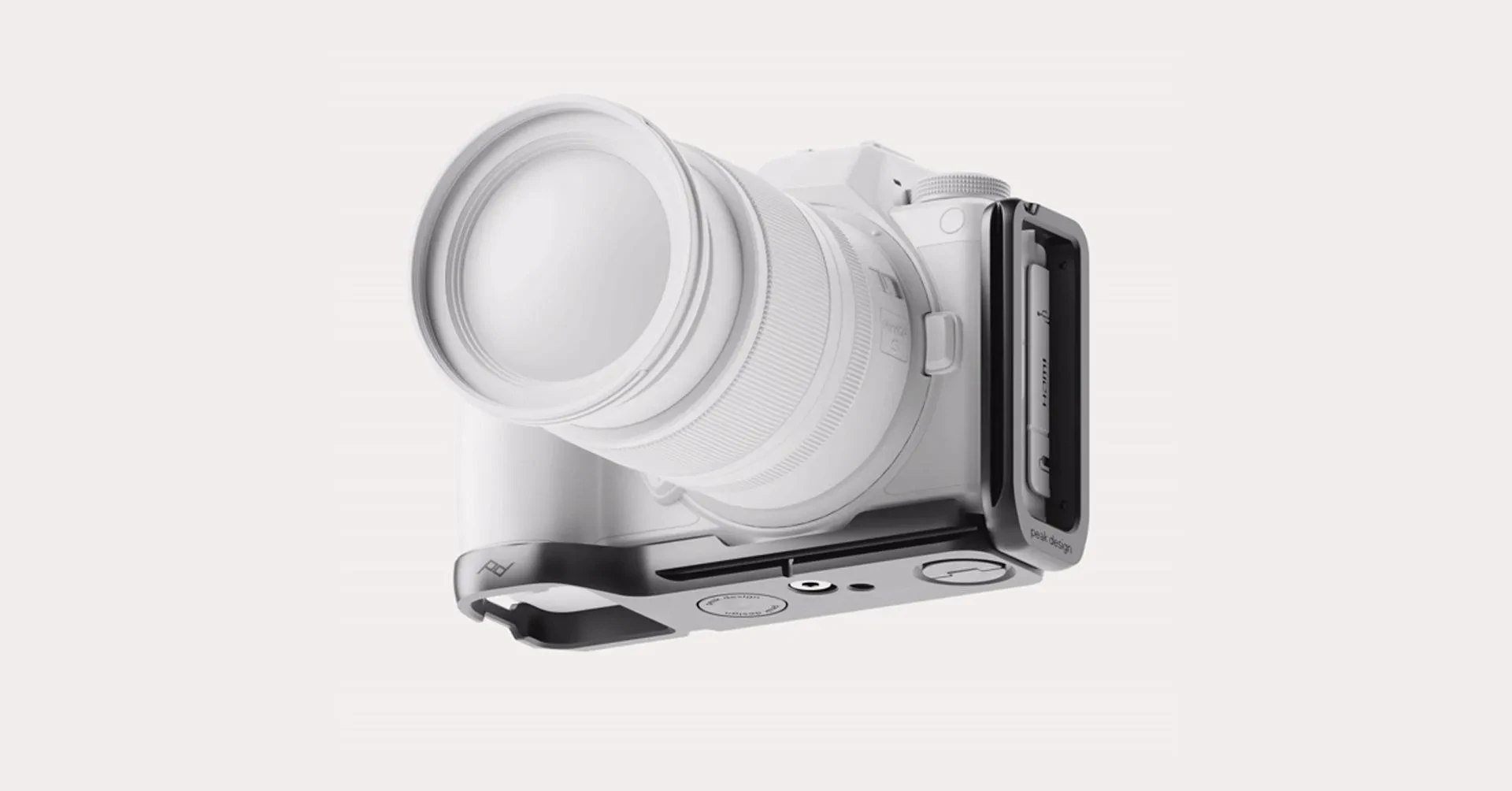
Those products point to a broader shift in consumer-tech design. The best accessory is no longer just the one that holds the camera steady, but the one that reduces the number of loose parts, adapters and failure points a traveler has to manage. In that context, a modular bracket with a built-in or bracket-level place for tracking hardware makes commercial sense: it bundles recovery, mounting and ergonomics into one purchase.
The trade-offs are still real
Any move toward built-in tracking or tracker-ready hardware comes with compromises. Platform lock-in is the biggest one, because AirTag remains tied to Apple’s Find My network and the Apple hardware ecosystem. If a camera accessory assumes that world, the convenience is real, but so is the dependency.
Privacy is the second issue. Apple has added anti-stalking and unwanted-tracking protections to AirTag, which reduces abuse but does not erase the broader tension between recovery and surveillance. A finder tag on a camera is useful precisely because it broadcasts location, and that makes the line between protecting valuable gear and exposing movement data an unavoidable part of the product conversation.
For Peak Design, the warranty and return policy help soften that leap. The company backs its products with a lifetime warranty and 30-day returns, a signal that it expects customers to buy into a whole camera ecosystem rather than a single plate. That is the deeper story behind the Field Bracket: expensive gear is increasingly being sold with the assumption that tracking, compatibility and travel resilience are part of the value proposition, not extras bolted on later.
Peak Design’s modular approach suggests where the category is heading. Camera owners still use AirTags because they work, but the next competitive edge may belong to accessories that make those tags feel native to the kit instead of hanging off the side of it.
Sources
- [1]theverge.com
- [2]camerajabber.com
- [3]peakdesign.com
- [4]dpreview.com
- [5]elevationlab.com
- [6]3leggedthing.com