World
Pellet injuries reported in Delhi protest, experts blame police fire
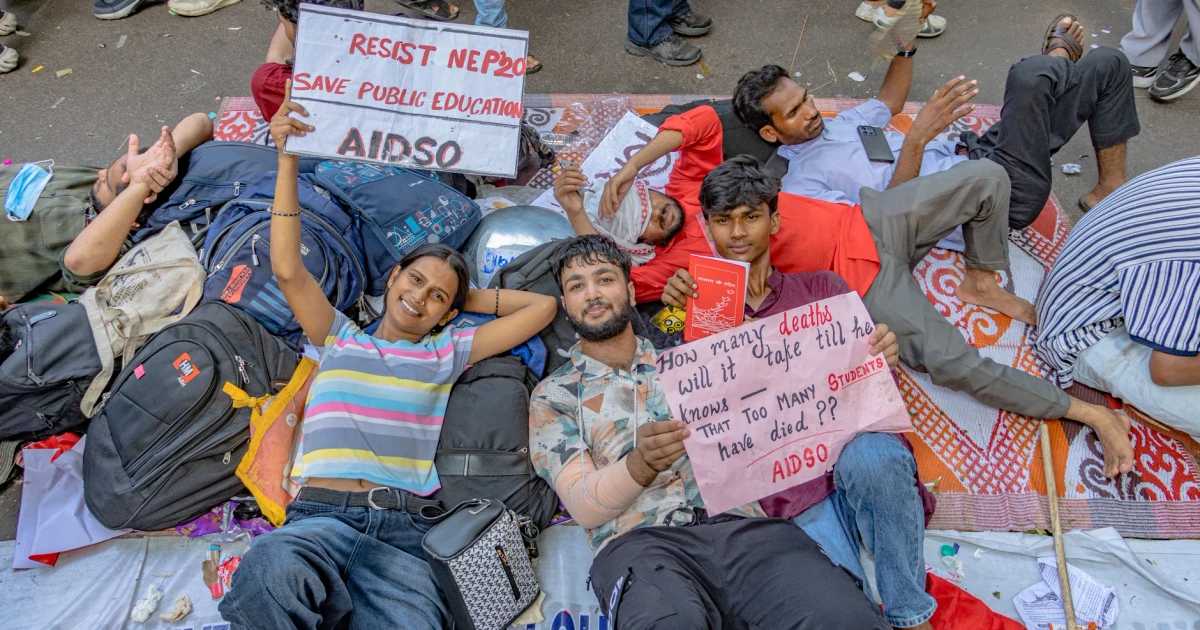
Independent ballistic experts told the BBC that the dozens of tiny round punctures on supporters of the Cockroach Janta Party were consistent with pellet-gun fire, putting the focus on a denial that has shaped every account of the Delhi crackdown. The injuries matter because pellet guns are controversial crowd-control weapons, and officials had said they were not supposed to be used in this case.
The protest unfolded in central Delhi on 20 July 2026, when tens of thousands of CJP supporters marched toward Parliament to demand education reforms and the resignation of Education Minister Dharmendra Pradhan after repeated exam paper leaks. Earlier coverage said police used batons and tear gas in the response, and at least 60 protesters were wounded.
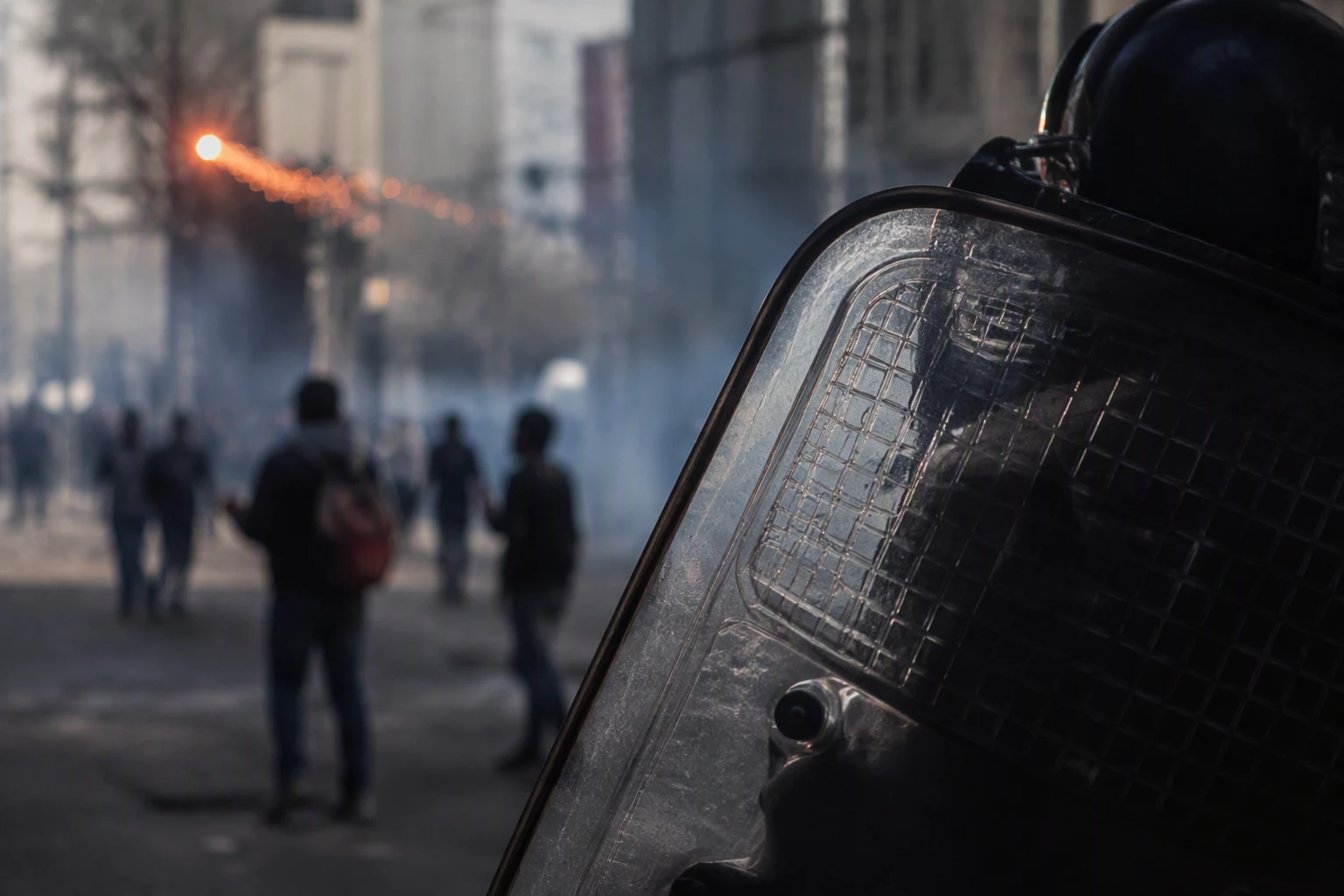
Delhi Police and the government denied that pellet guns were used. Later accounts said authorities blamed the use on a single rogue officer, a claim that raises as many questions as it answers about command responsibility, equipment checks and whether the force on the street followed crowd-control rules. For a movement already angered by exam leak scandals, the injuries became a rallying cry and sharpened scrutiny of the police response.
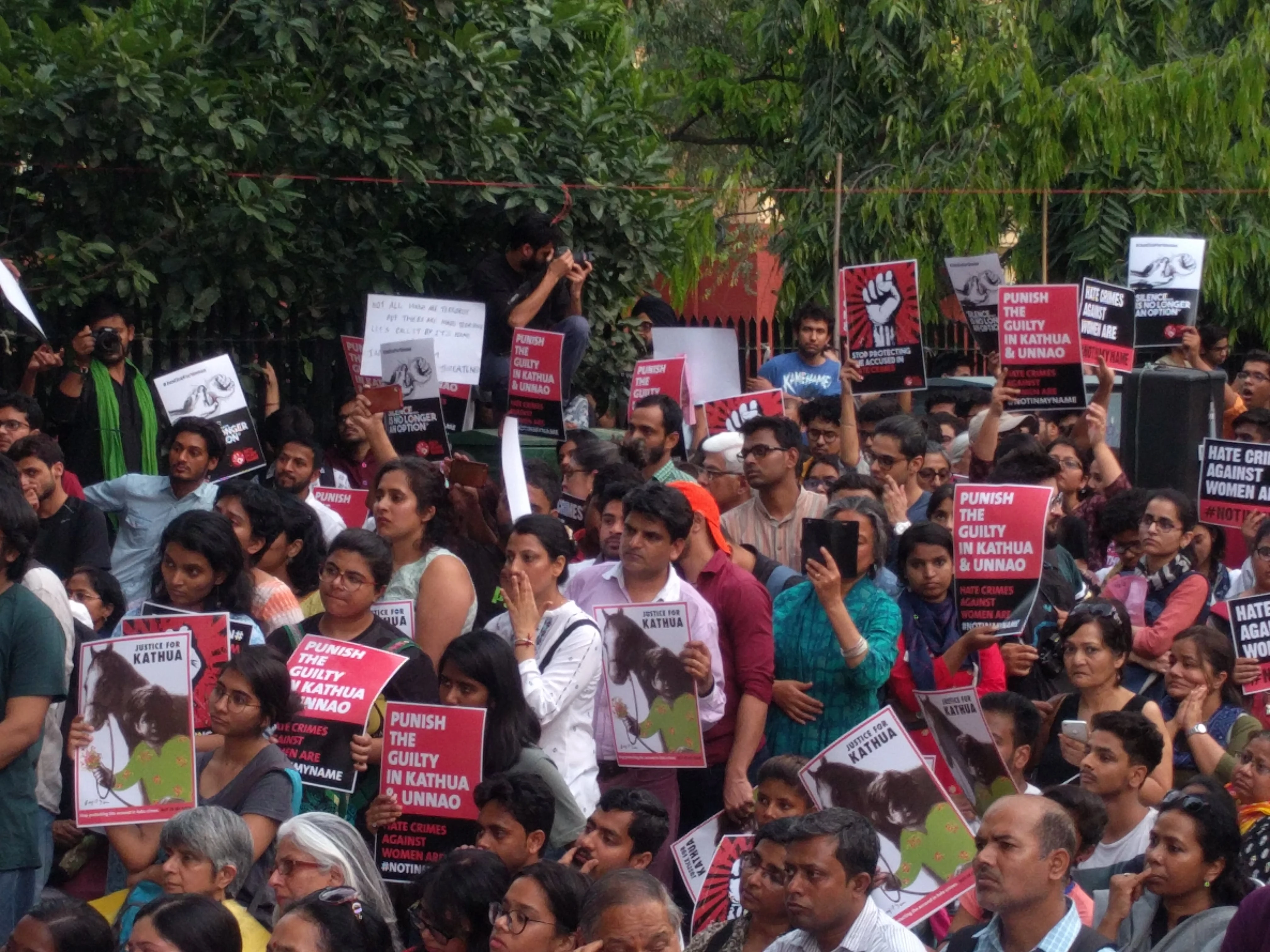
The most serious case identified in follow-up coverage was Sahil Lochab, a 19-year-old Delhi University student from Najafgarh. By July 23, 2026, he had undergone surgery to remove pellets, and his family said doctors had told them there was only a 1% chance his vision would return in his injured right eye because the pupil was damaged. The New Indian Express said he had suffered multiple pellet injuries, including a corneal perforation in the right eye, and that another pellet was found in his right lung and tissue surrounding his heart.
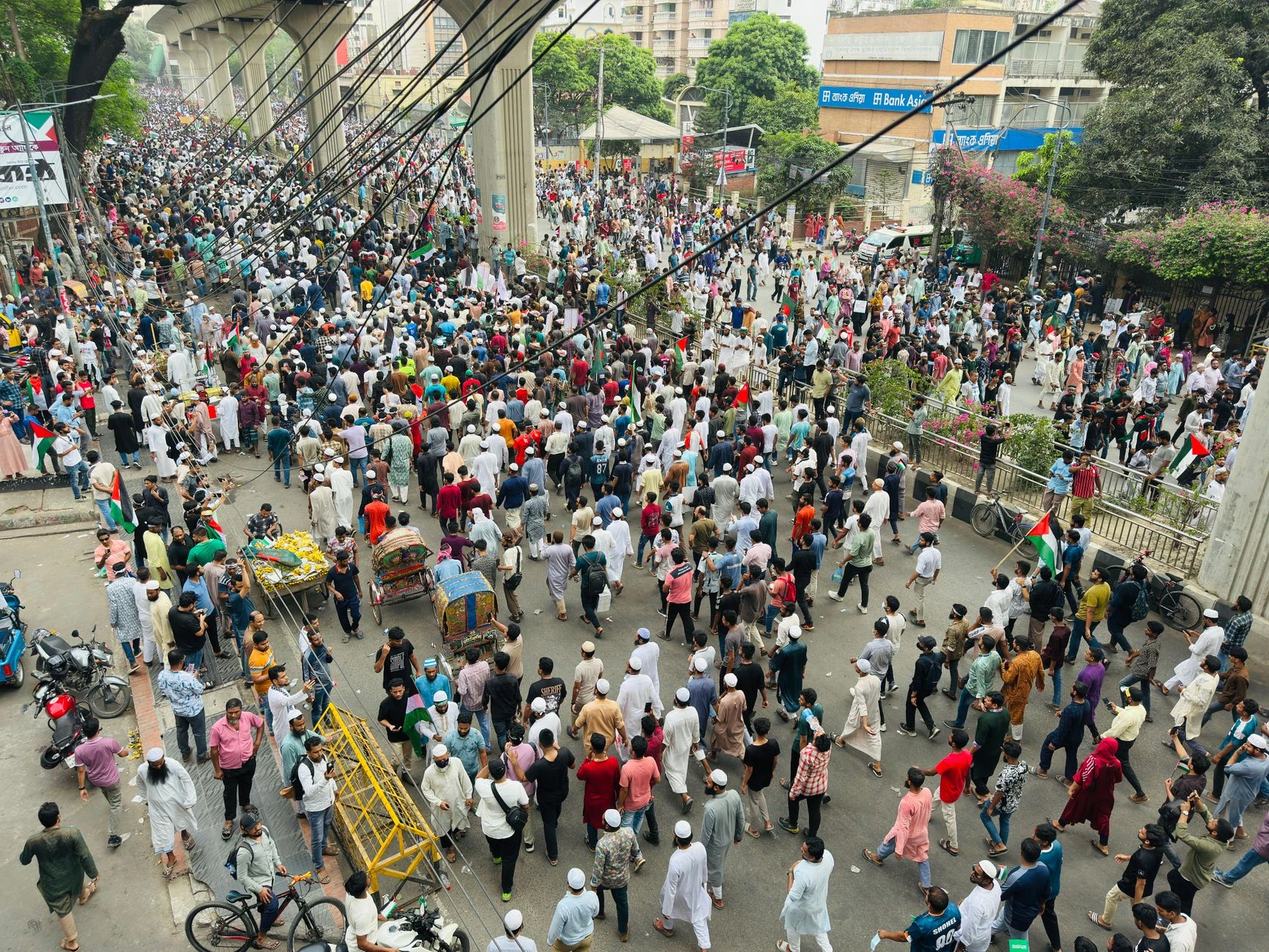
Medical experts have warned that pellet wounds can cause blindness, nerve damage, chronic pain, permanent disability, irreversible damage and long-term psychological trauma. That is why confirming whether pellet guns were fired in central Delhi is not a narrow technical dispute but an accountability test for protest policing, the use of force and the credibility of the state’s account of how the march was broken up.
Sources
- [1]bbc.co.uk
- [2]bbc.com
- [3]the-hindu.com
- [4]newindianexpress.com
- [5]the-independent.com
- [6]tbsnews.net
- [7]m.thewire.in
- [8]ndtv.com