Business
Penn Station Train Fire Injures Five, Halts Rail Service
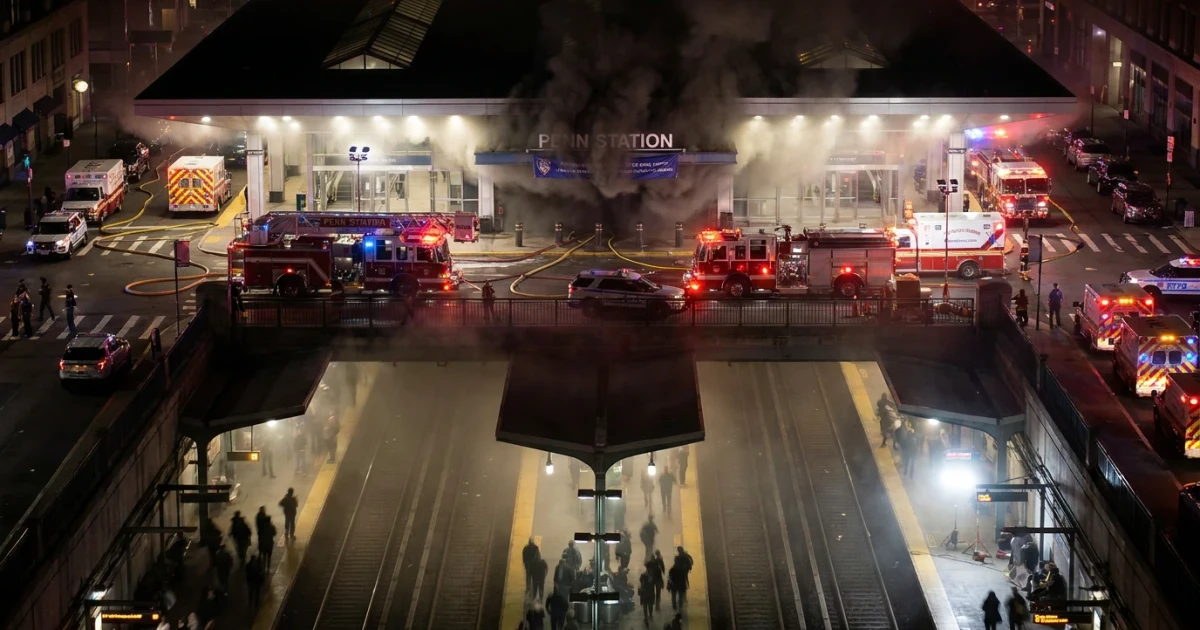
A train fire at Penn Station on Thursday resulted in five injuries and significant disruption to rail service for thousands of commuters, with NJ Transit and Amtrak suspending operations while the Long Island Rail Road (LIRR) restored service later in the day. The incident, reported by The New York Times, prompted swift emergency response and highlighted the vulnerabilities of New York City's transit infrastructure.
Emergency Response and Injuries
According to The New York Times, the fire broke out on an inbound train at Penn Station during midday, sending plumes of smoke through the platform areas and triggering alarms. Emergency responders evacuated passengers and treated five individuals for injuries, none of which were reported as life-threatening. The scene was contained within an hour, but residual smoke and safety inspections delayed the reopening of affected tracks.
Service Disruptions Across Major Rail Lines
The fire forced immediate suspension of NJ Transit and Amtrak services at Penn Station, stranding commuters and causing ripple effects throughout the regional rail network. Amtrak announced temporary closure of its platforms pending safety assessments, while NJ Transit redirected some trains to alternative stations and advised riders to expect delays and cancellations. The Amtrak official reports provide ongoing updates on service disruptions and performance following such incidents.
The NJ Transit safety statistics document a history of such events, though fires remain relatively rare compared to other causes of disruption. Meanwhile, the LIRR managed to restore operations by late afternoon, allowing some commuters to resume their journeys. The LIRR annual ridership and incident statistics offer context on the frequency and impact of service interruptions in the region.
- NJ Transit and Amtrak suspended rail service for several hours
- LIRR restored service after emergency clearance
- Thousands faced delays and cancellations across the network
Impact on Commuters and Station Operations
Penn Station, as one of the busiest transit hubs in North America, sees hundreds of thousands of daily passengers. The disruption underscored the station’s role in connecting New Jersey, Long Island, and national rail lines. Commuters reported confusion and frustration as platforms were closed and announcements scrambled to provide updates. Emergency management protocols were activated in accordance with NYC Emergency Management transit hazard guidelines, focusing on evacuation, smoke containment, and medical response.
Authorities emphasized the importance of coordinated response between rail operators, fire department, and transit police. The cause of the fire remains under investigation, with preliminary reports suggesting a mechanical malfunction on the train. Official findings are expected to be published in NTSB railroad accident reports once the probe concludes.
Rail Safety and Recent Trends
While the incident is a stark reminder of transit risks, annual data from the US Department of Transportation shows that train fires are uncommon compared to other accidents like derailments or collisions. Penn Station and its operators have invested in safety upgrades, but the event highlights the ongoing challenge of maintaining infrastructure and ensuring rapid response.
Passengers and advocacy groups have called for increased transparency on safety measures and more resilient operations. As the investigation unfolds, attention will focus on mechanical maintenance protocols, emergency communication, and the broader impact of service interruptions in a region dependent on rail transit.
Looking Ahead
Thursday’s train fire at Penn Station, though quickly contained, disrupted the routines of thousands and raised questions about preparedness and infrastructure resilience. As rail services gradually return to normal, officials and commuters alike await further details on the cause and any recommended changes to prevent future occurrences. The incident adds to the ongoing conversation about transit safety and the need for continual investment in New York’s rail network.