Health
Pennsylvania Schools Circulate Debunked Vaccine Claims
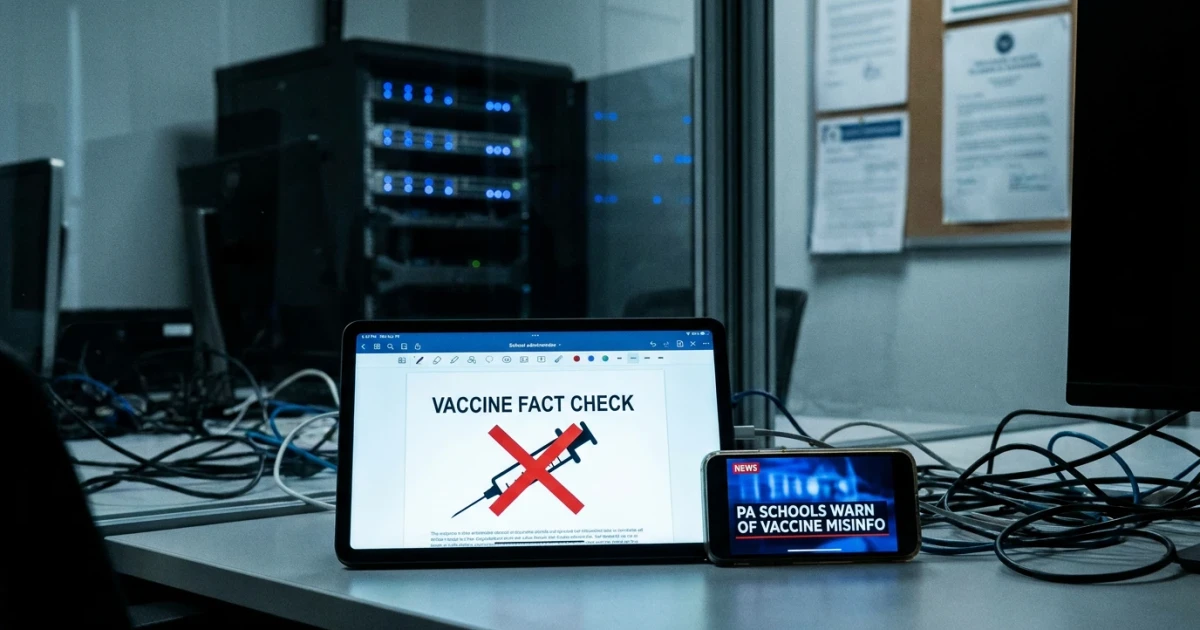
Pennsylvania schools have come under scrutiny after distributing widely debunked vaccine claims to thousands of parents across the state, according to reporting from the Pittsburgh Post-Gazette. The incident has sparked concern among public health experts and educators about the spread of misinformation and its impact on childhood immunization rates.
Debunked Claims Shared With Parents
Districts across Pennsylvania reportedly sent out materials containing false or misleading assertions about vaccine safety and efficacy. While the exact nature of the claims was not detailed in the initial report, the issue underscores ongoing challenges in educating communities about vaccine safety and combating persistent myths. The Centers for Disease Control and Prevention (CDC) maintains extensive resources addressing common vaccine myths and misinformation, offering scientific evidence that disputes many of the claims in circulation.
Official Requirements and Public Health Concerns
Pennsylvania, like all states, mandates a series of vaccinations for children entering school. These requirements are detailed by the Pennsylvania Department of Health, which outlines immunizations needed for school admission and the process for medical or religious exemptions. According to CDC data, Pennsylvania’s exemption rates have remained relatively stable, but misinformation campaigns have the potential to erode compliance and threaten herd immunity.
- State law requires children to be vaccinated against diseases such as measles, mumps, rubella, and pertussis.
- Exemptions are permitted for medical and religious reasons, as detailed in the official guidance.
- CDC statistics show that the vast majority of Pennsylvania kindergarteners meet immunization requirements, but small pockets of lower coverage can increase outbreak risk (see CDC MMWR data).
Impact of Misinformation on Public Trust
The circulation of incorrect vaccine information by school authorities raises broader questions about public trust in science and health institutions. Pew Research Center has documented declining trust in scientists and medical authorities, which can exacerbate the effects of misinformation. Research published in various medical journals, including a recent review, highlights how vaccine misinformation can contribute to reduced vaccination rates, increased disease outbreaks, and confusion among parents.
Challenges Facing Schools and Families
Schools play a critical role in communicating health requirements to families. When misinformation slips into official communications, it can undermine confidence in school leadership and public health guidance. Experts recommend that school districts partner with state health authorities and rely on evidence-based materials to ensure parents receive accurate information.
Looking Ahead
Public health advocates urge Pennsylvania schools to review their outreach practices and reinforce their commitment to accurate, science-based messaging. As misinformation remains a pressing concern nationwide, ongoing vigilance and improved communication strategies are essential for protecting student health and maintaining trust among parents.