US News
Pentagon asks defense firms to accelerate weapons production as stocks dwindle

The Pentagon has asked defense firms for plans to accelerate weapons production after a five-month war with Iran drained U.S. stockpiles of ATACMS, Precision Strike Missiles and Tomahawk cruise missiles. The request comes as officials confront how quickly high-end munitions can disappear in a major conflict and how long it takes to replace them.
Deputy Defense Secretary Steve Feinberg sent an Aug. 5 memo to defense companies asking for faster weapons production, and the Pentagon later asked industry leaders to spell out how they would speed delivery of weapons that were heavily depleted during the war, including munitions in extreme shortage. The move reflects pressure on the defense-industrial base at a moment when the United States is trying to preserve readiness for other theaters at the same time it rebuilds inventories expended in the Middle East.
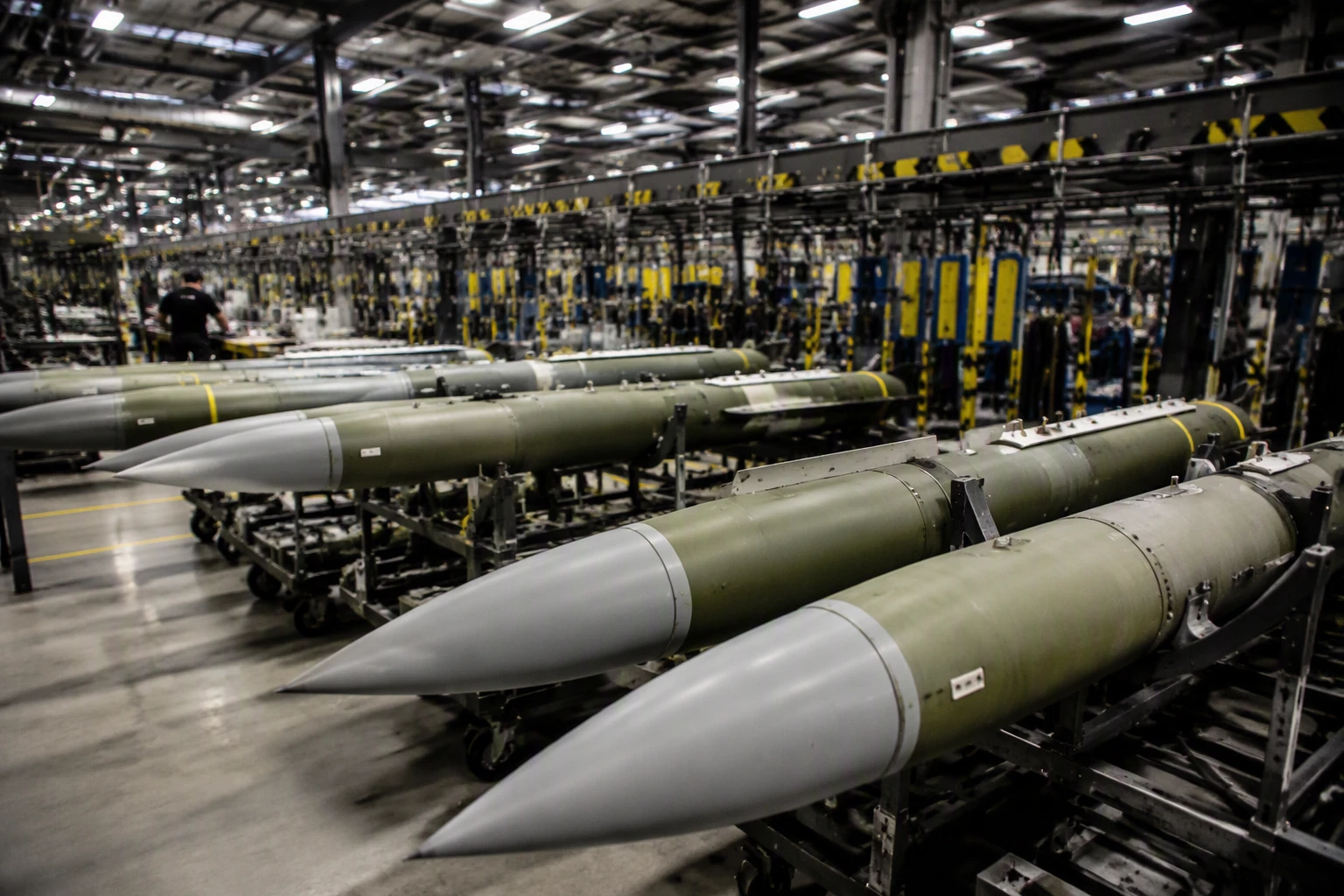
Reuters reported on Aug. 4 that the U.S. Army had used virtually all of its ATACMS and Precision Strike Missile inventories during the fighting. The same report said the United States had used a little less than half of its global supply of Tomahawk cruise missiles. CNN reported the same day that nearly 80% of interceptors for a key missile defense system had been depleted, citing sources familiar with the latest inventory report.
The depletion has sharper strategic consequences than a single replenishment order. Reuters said the strain on long-range missiles raised questions about U.S. readiness for future conflicts, while Russia and China were taking note. That matters because the same weapon categories that were spent in the Iran war are central to deterrence in the Indo-Pacific and in any long-range fight involving a peer adversary.

The scope of the threat was underscored by Israeli military officials, who said Iran had 2,500 ballistic missiles capable of reaching Israel before the war, and that more than 335 missile launchers had been destroyed. Those figures show the scale of the exchange that drove Washington’s consumption of precision weapons and missile defenses.

The policy response is already drawing congressional scrutiny. A Congressional Research Service report dated March 12 said Congress had expressed interest in the status of U.S. munitions inventories after military operations against Iran began on Feb. 28. A CSIS analysis published May 27 described rebuilding the missile inventory as a multiyear project, suggesting the gap between production capacity and wartime demand will not close quickly even as Pentagon officials press contractors to move faster.
Sources
- [1]news.google.com
- [2]reuters.com
- [3]washingtonpost.com
- [4]usatoday.com
- [5]cnn.com
- [6]csis.org
- [7]everycrsreport.com
- [8]youtube.com