US News
Pentagon investigates air quality issue after shelter-in-place order

The Pentagon shut down part of its massive Arlington, Virginia, complex Thursday after internal systems detected an air-quality issue and set off precautionary measures. Hazmat crews from Arlington County were on scene supporting the Pentagon Force Protection Agency as officials worked to determine whether the alert pointed to a real hazard or a systems warning.
A shelter-in-place order was issued for at least part of the building, and some floors and corridors were locked down while other areas were evacuated. A message from the Pentagon’s security team said additional testing could take one to two hours, underscoring how quickly a facility can move from detection to a full protective response before investigators know the cause.
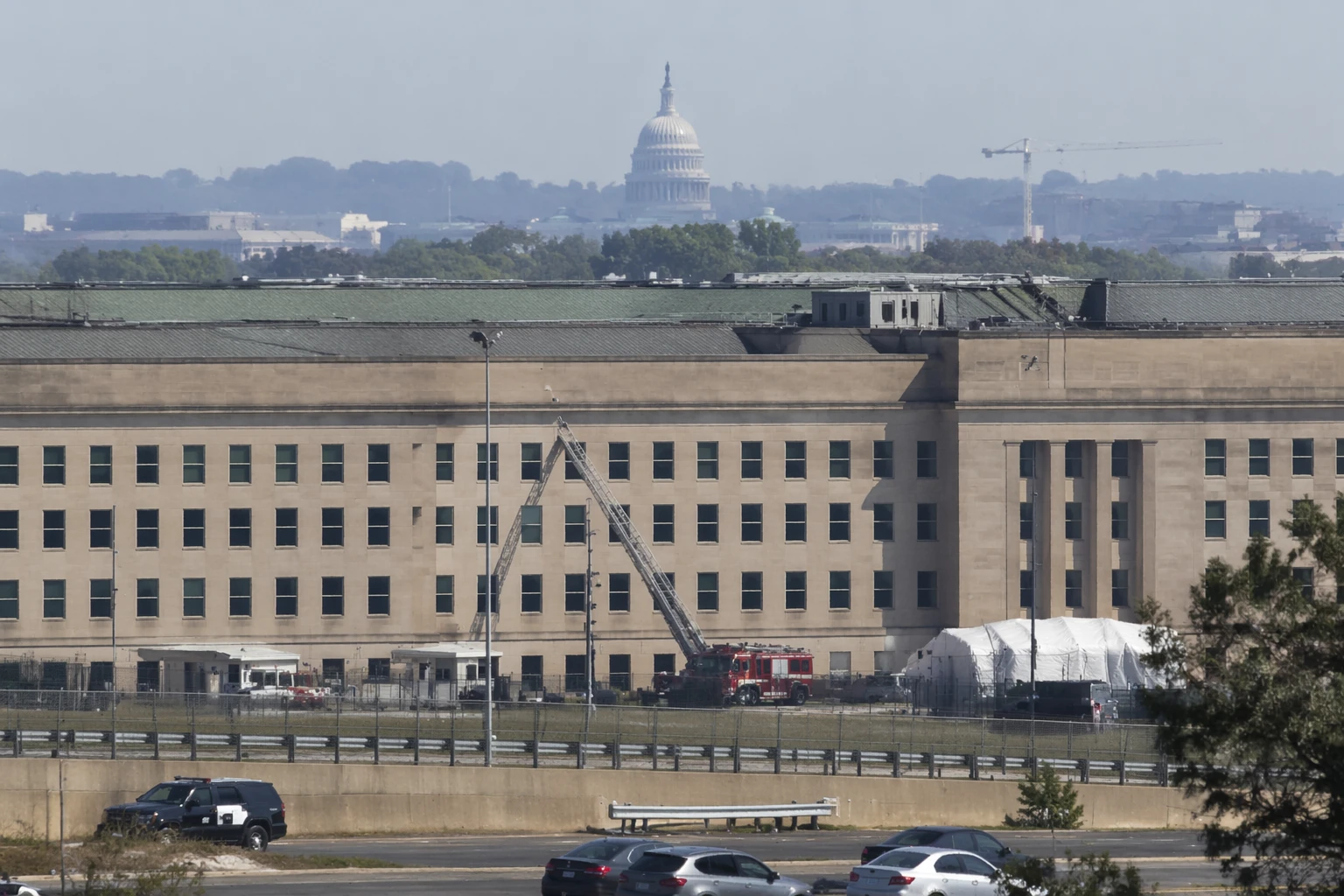
Pentagon spokesman Sean Parnell said the department was executing standard protection protocols and that response teams were in place and ready to support building occupants. Arlington County Fire Department units, including its Hazardous Materials Team, were operating at the Pentagon in support of the Pentagon Force Protection Agency’s Hazmat Team during what officials described as a hazardous materials incident.
The initial reports did not identify the source of the air-quality concern, leaving open the central question driving the response: whether the building’s monitoring systems had detected a dangerous condition or an issue that would prove less serious after testing. That distinction matters at a site like the Pentagon, where a precautionary shutdown can ripple across one of the government’s most sensitive facilities even before the threat is confirmed.
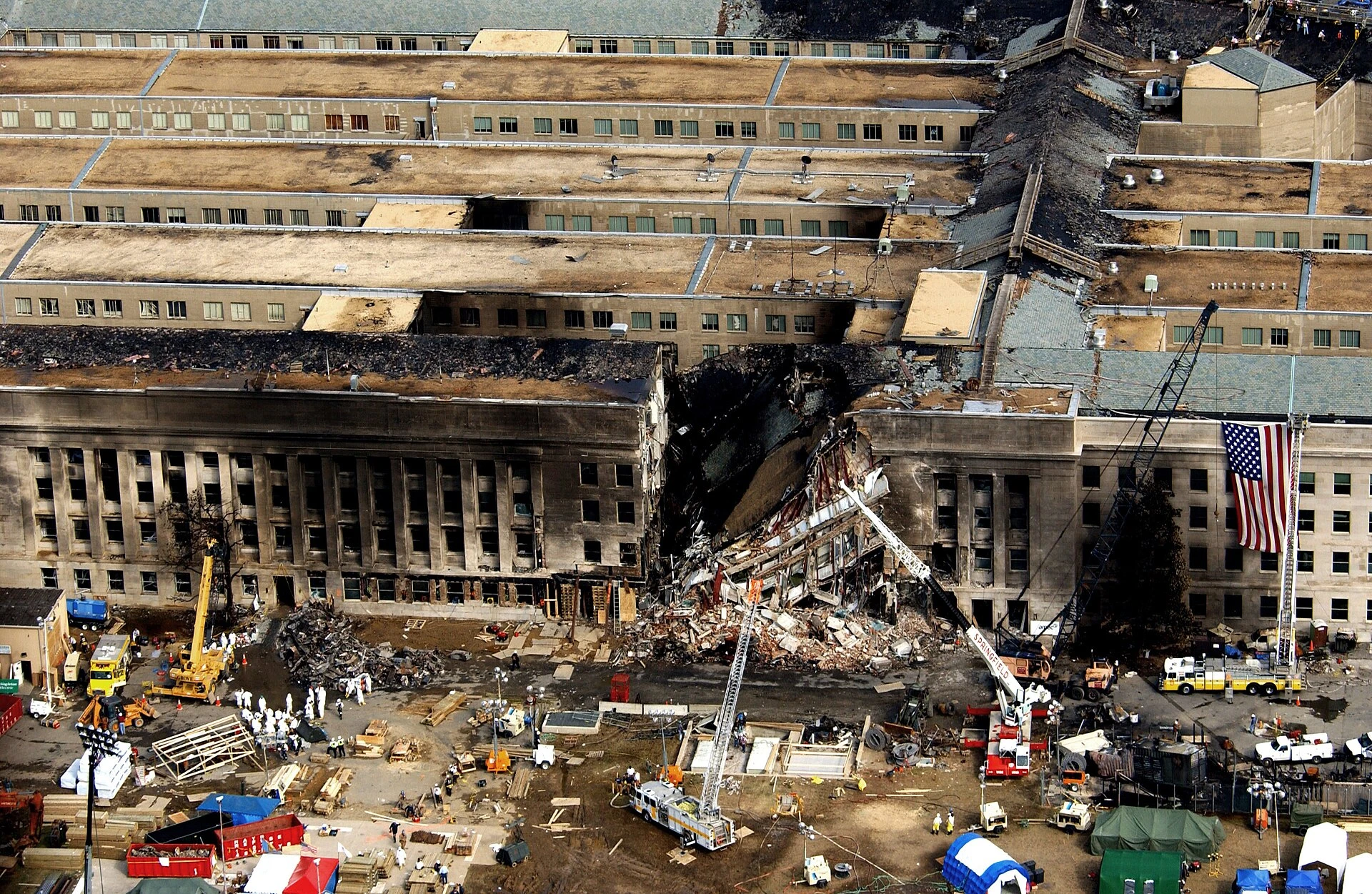
The Pentagon, headquarters of the U.S. Department of Defense, sits in Arlington just across the Potomac from Washington and ranks among the world’s largest office buildings. For a complex of that scale, the first minutes after an alert are shaped by redundancy and speed, with security and fire crews moving at once to protect staff, isolate affected areas and verify whether the alarm reflects an actual exposure or a detected anomaly.
Sources
- [1]cbsnews.com
- [2]cnbc.com
- [3]wusa9.com
- [4]cnn.com
- [5]stripes.com