US News
Pentagon Plans Extended Ground Operations in Iran
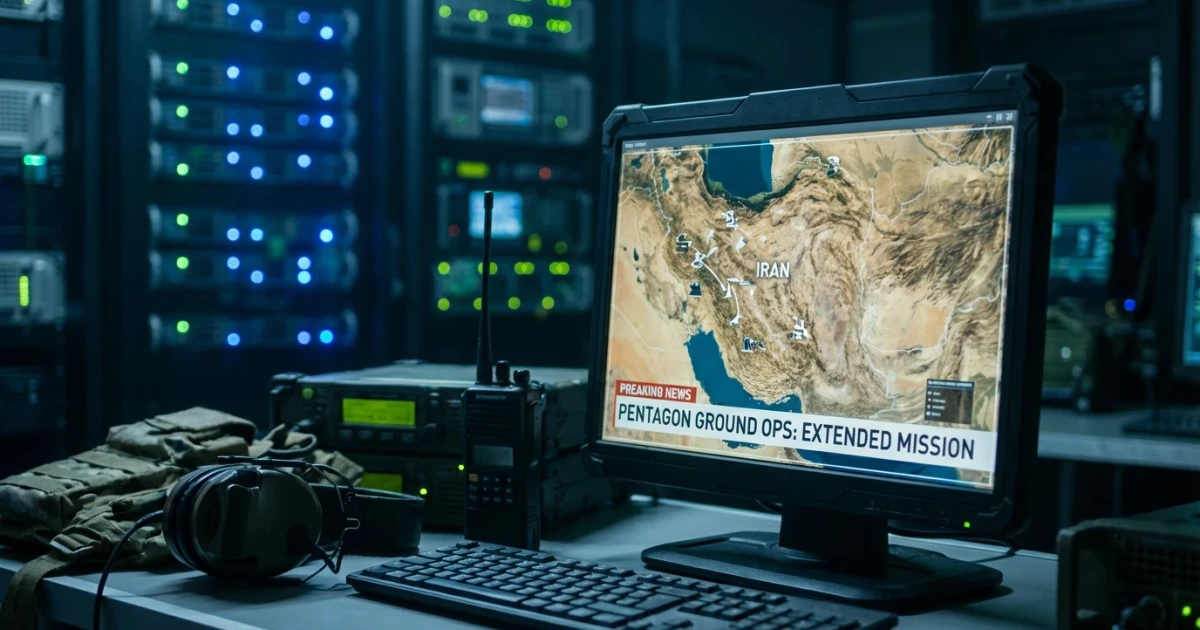
The Pentagon is preparing for an extended period of ground operations in Iran, according to The Washington Post, signaling a potential shift in U.S. military engagement in the region and prompting widespread debate over the risks and strategic rationale of such a move.
U.S. Military Readies for Weeks-Long Campaign
Officials at the Department of Defense are planning for ground operations in Iran that could span several weeks, The Washington Post reported. While details remain classified, the preparations underscore the seriousness with which U.S. military leaders are approaching potential conflict scenarios. According to the U.S. Central Command, the region remains a complex area of operations requiring significant logistical and strategic planning.
Context and Strategic Implications
The decision to prepare for extended ground operations comes amid escalating tensions between the United States and Iran. In recent years, the two countries have clashed over Iran’s nuclear program, regional influence, and military capabilities. Congressional research on Iran's foreign and defense policies highlights the country’s robust conventional military forces, extensive missile inventory, and history of asymmetric warfare, all of which present significant challenges for any U.S. ground operation.
- The Pentagon’s plans reportedly account for the possibility of protracted urban combat and resistance from Iranian regular and paramilitary forces.
- Analysis from the RAND Corporation on U.S. military options against Iran notes that such operations would require substantial logistical support and carry elevated risks of casualties and regional destabilization.
- Data from the Stockholm International Peace Research Institute shows Iran’s military expenditure has remained significant, underlining the country’s ongoing commitment to defense preparedness.
Debate Over Strategic Rationale
The Washington Post notes that senior figures, including former President Donald Trump, are questioning the wisdom of deploying ground troops, citing the complexities and potential unintended consequences. Critics argue that, unlike previous conflicts in the region, Iran’s geography, military structure, and political landscape make ground operations especially fraught with risk. The Iranian Army's order of battle reveals a layered defense likely to slow or complicate any advance.
Furthermore, the 2022 Country Reports on Terrorism detail Iran’s use of proxy forces and asymmetric tactics, which could complicate efforts to stabilize areas after initial U.S. advances.
Potential Regional and Global Impacts
Military analysts warn that any prolonged U.S. presence on the ground in Iran could spark wider regional conflict, disrupt global energy markets, and strain military resources. Previous U.S. ground campaigns in the Middle East have demonstrated the challenges of urban warfare and nation-building, outcomes that Pentagon planners are reportedly working to address in their current preparations.
- Iran’s missile capabilities and support for regional militias could threaten U.S. bases and allies in the Middle East.
- The potential for escalation involving other regional powers remains a significant concern for both military and diplomatic leaders.
Looking Ahead
As the Pentagon continues its preparations, the debate over the necessity and wisdom of ground operations in Iran is likely to intensify. With a history of complex military engagement in the region, policymakers face difficult choices balancing strategic objectives, operational risks, and long-term regional stability. Whether or not ground operations are ultimately undertaken, the current planning reflects the seriousness of U.S.-Iran tensions and the high stakes involved for both countries and the broader international community.