Politics
Pentagon Plans Withdrawal of 5,000 Troops from Germany
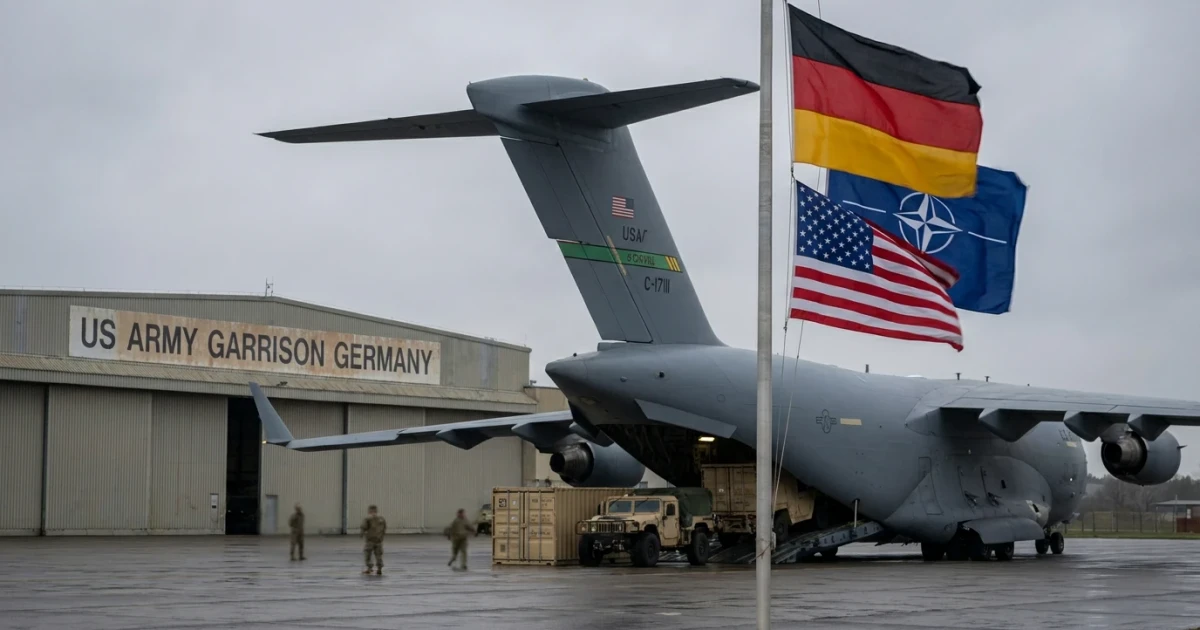
The Pentagon has confirmed plans to withdraw 5,000 U.S. troops from Germany, marking a notable shift in the longstanding American military footprint in Europe. The move, announced in a Pentagon briefing and reported by ABC News, is expected to impact strategic operations, alliance dynamics, and defense postures across the continent.
Details of the Troop Withdrawal
According to the Pentagon's statement, the reduction will take place over the coming months, though precise timelines and details about which units will be redeployed or returned to the United States have not yet been released. This decision reflects a broader reassessment of U.S. force posture in Europe, with senior officials describing it as part of ongoing efforts to adapt to evolving security requirements and global commitments.
- Germany currently hosts the largest contingent of U.S. military personnel in Europe, with approximately 35,000 troops stationed in the country as of 2022.
- The planned withdrawal would reduce that presence by about 14%.
- The U.S. maintains several key bases in Germany, including Ramstein Air Base and the U.S. Army Garrison in Stuttgart, which serve as operational hubs for European and global missions.
Strategic and Alliance Implications
For decades, the U.S. military presence in Germany has been a cornerstone of NATO's defense strategy and a symbol of transatlantic unity. The withdrawal of 5,000 troops raises questions about the future of allied operations, regional deterrence, and the U.S. commitment to European security. Germany has historically served as a logistical and training platform for American forces, supporting missions across Europe, the Middle East, and Africa.
The NATO alliance relies on forward-deployed forces to maintain readiness and assure member states in the face of potential threats. While Pentagon officials emphasize that the move does not signal a reduction in support for NATO, European capitals are expected to seek further clarification on how the U.S. will maintain its commitments.
Historical Context and Cost Considerations
The U.S. military presence in Germany dates back to the end of World War II and reached its peak during the Cold War, when hundreds of thousands of American troops were stationed in Europe as a deterrent against Soviet aggression. In recent years, the footprint has steadily declined. The Government Accountability Office has analyzed the costs and logistics of maintaining overseas deployments, noting that reshaping force posture can yield budgetary savings but also presents operational challenges.
Official data from the U.S. European Command shows that troop levels in Germany have fluctuated in response to changing security environments, with adjustments often reflecting broader strategic reviews. The announced withdrawal continues this trend of periodic recalibration.
Next Steps and Regional Reactions
The Pentagon has yet to specify where the 5,000 personnel will go, whether they will be redeployed to other European countries, returned home, or shifted to other missions globally. Analysts suggest that the decision will prompt allied consultations within NATO and could influence discussions about burden-sharing, defense spending, and forward presence.
As details emerge, attention will turn to how Germany and other European allies respond, and how the U.S. will maintain operational flexibility in the region. The move underscores the continued evolution of transatlantic defense arrangements amid shifting geopolitical realities.
Looking Ahead
While the reduction of U.S. troops in Germany represents a significant change, officials maintain that the United States remains committed to collective defense and alliance obligations. The coming months will reveal how this decision affects military operations, diplomatic relationships, and broader security dynamics in Europe.