Politics
Pentagon presses defense firms to boost weapons production quickly
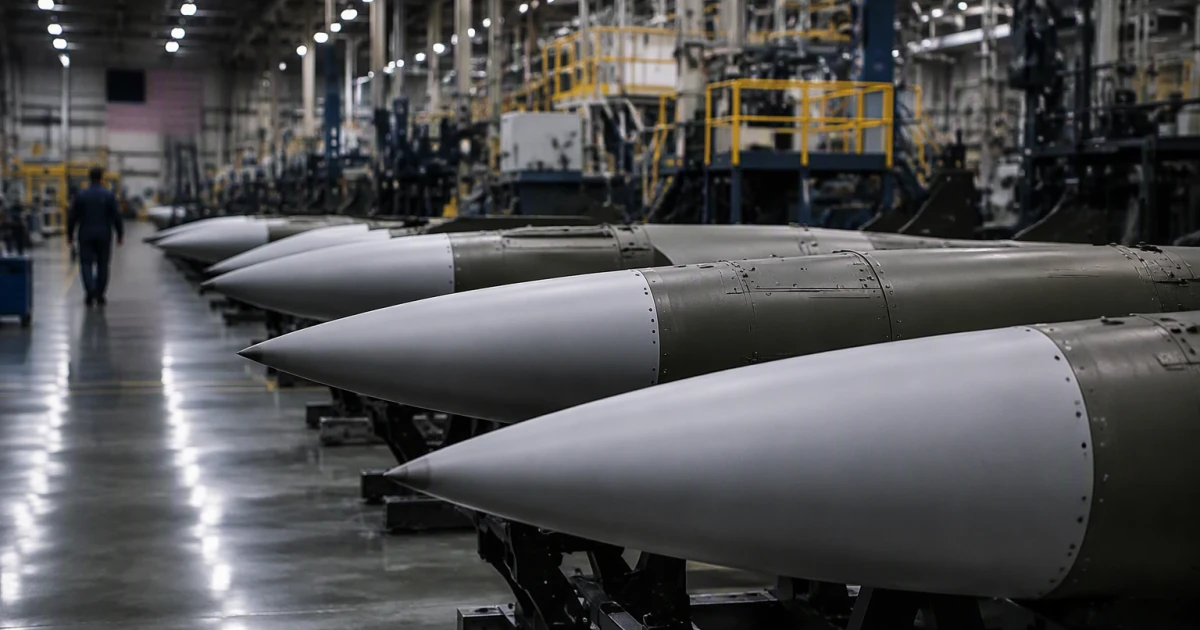
The Pentagon is pressing U.S. defense companies to speed up weapons output as depleted stockpiles of key munitions, including advanced missile interceptors, strain military readiness. Deputy Defense Secretary Steve Feinberg has pushed contractors to present faster production plans in about three weeks, a deadline that reflects how urgently the department wants to refill inventories after recent fighting with Iran.
The pressure comes after the U.S. spent more of its already diminished interceptor stockpile in the Iran conflict, leaving defense officials more alarmed about how quickly production can recover. In a Pentagon acquisition memo in September 2025, Feinberg was described as urging a wartime mindset inside the department and faster delivery of critical munitions. The later push to industry carries the same message: move faster, or the gap between battlefield demand and peacetime manufacturing will widen.
The shortage is not limited to one weapon or one theater. A May 27 report from the Center for Strategic and International Studies said U.S. military contractors would need at least three years to replenish stockpiles of three key weapons systems used in the Iran war. A separate CSIS report, published April 21, said restoring depleted inventories and then reaching desired stockpile levels would take many years. Another CSIS analysis said restoring pre-war stocks of critical U.S. munitions would take at least two years, while a broader review of seven key missile systems put the timeline at one to four years.
Those timelines expose a basic industrial problem: modern missiles and interceptors are not made on demand. Production depends on specialized electronics, constrained components, and subcontractors spread across the country, all of which make a rapid surge difficult even when the Pentagon is willing to pay for it. The department had already put $25 billion in the 2025 reconciliation bill toward replenishing munitions, but that money cannot instantly create factory space, skilled labor or the supply chain depth needed to replace what has been fired.
The stakes reach beyond the Pentagon’s shelves. Thin stockpiles can force hard choices between immediate battlefield needs, domestic readiness and long-term deterrence against rivals. They also affect support for allies that depend on U.S. weapons deliveries. The message now going to defense firms is blunt: rebuild faster, or risk a prolonged conflict outpacing the country’s ability to arm itself and its partners.
Sources
- [1]apnews.com
- [2]wral.com
- [3]abcnews.com
- [4]washingtonpost.com
- [5]csis.org
- [6]history.defense.gov
- [7]comptroller.war.gov