World
Pentagon Shifts Focus: China Threat No Longer Top U.S. Defense Priority
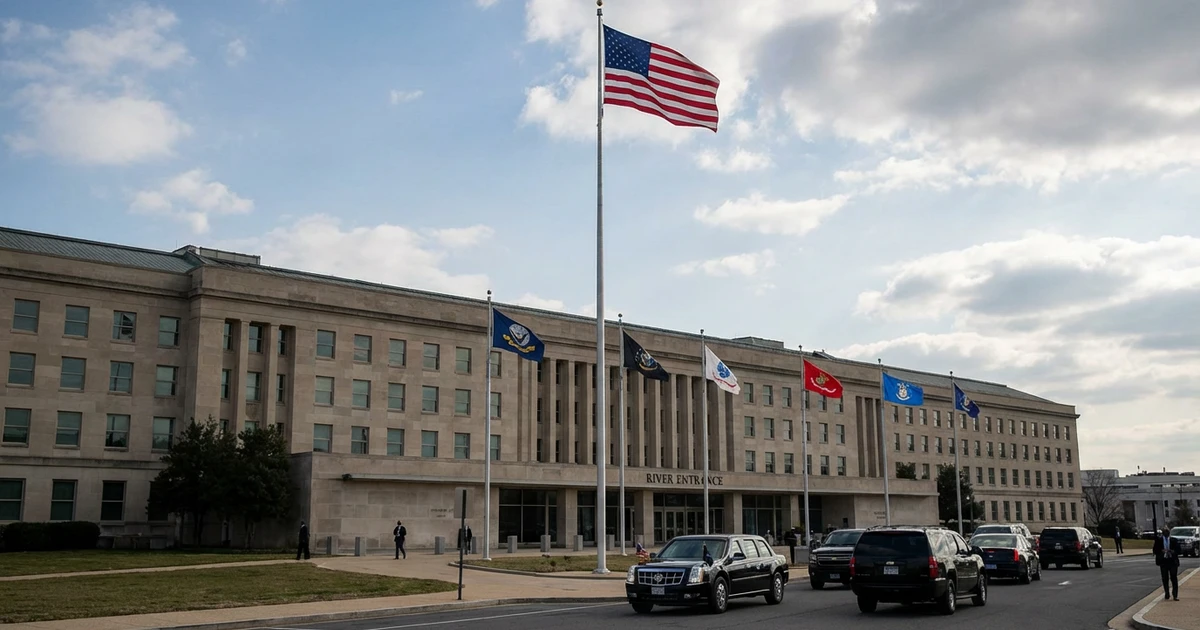
The Pentagon has officially shifted its strategic focus, no longer viewing China as the primary threat to U.S. national security, marking a significant realignment in American defense policy. This move, as reported by Politico, reflects evolving global priorities and signals changes in how the U.S. military will allocate its resources and attention in the coming years.
Background: A Decade of China as Top Threat
For much of the past decade, the United States has framed China as its "pacing challenge," prioritizing the Indo-Pacific region and Beijing's military modernization efforts as the central focus of American defense planning. U.S. national defense strategies under both Democratic and Republican administrations emphasized countering China’s growing influence and military presence, particularly in the South China Sea and Taiwan Strait.
New Strategic Priorities
The Pentagon’s latest shift, as reported by Politico, moves away from this singular emphasis. While details of the new alignment have not been fully disclosed, analysts note several possible drivers behind the decision:
- Broadening Threat Landscape: Global security threats have diversified, with increased instability in other regions, such as the Middle East and Eastern Europe, demanding more attention.
- Resource Allocation: U.S. military resources may be reallocated to respond to emerging crises, rather than focusing predominantly on Indo-Pacific competition.
- Strategic Reassessment: The move could signal a recognition that direct military confrontation with China is unlikely in the near term, or that other threats now pose more immediate risks to U.S. interests.
Implications for U.S. Allies and Adversaries
This strategic pivot may have broad implications for U.S. alliances and global security architecture. Allies in the Indo-Pacific, such as Japan, South Korea, and Australia, have relied on a robust U.S. presence to deter Chinese assertiveness. A recalibration could spur these nations to reassess their own defense postures or seek new security partnerships. Conversely, adversaries may perceive new opportunities as U.S. priorities shift.
Comparisons with Previous Strategies
Previous strategies, including those unveiled during the Trump administration, made countering China’s rise in the Indo-Pacific a central pillar of U.S. defense planning. The Financial Times had earlier reported that American efforts focused on technological superiority, force posture adjustments, and enhancing regional partnerships to check Beijing’s ambitions. The current shift marks a departure from this approach, with the Pentagon now signaling a more flexible, multi-threat orientation.
What Comes Next?
While details are still emerging, defense experts suggest the Pentagon will continue to monitor China’s military developments while adjusting to new challenges. The realignment could lead to:
- Revised global force deployments
- Increased investment in emerging domains such as cyber and space
- Enhanced cooperation with European and Middle Eastern partners
The evolution of U.S. defense priorities will be closely watched by both allies and rivals, as America seeks to maintain its security commitments in a rapidly changing world.
Conclusion: A Strategic Turning Point
The Pentagon’s move to deprioritize China as its number one threat marks a turning point in U.S. defense policy. As the nation adapts to an increasingly complex security environment, this strategic shift underscores the importance of flexibility and readiness in the face of global uncertainty. The coming months will reveal how this pivot shapes military planning, alliance dynamics, and America’s role on the world stage.
Sources
- [1]Politico