World
Pentagon Unveils New Defense Strategy, Refocusing on Homeland Security
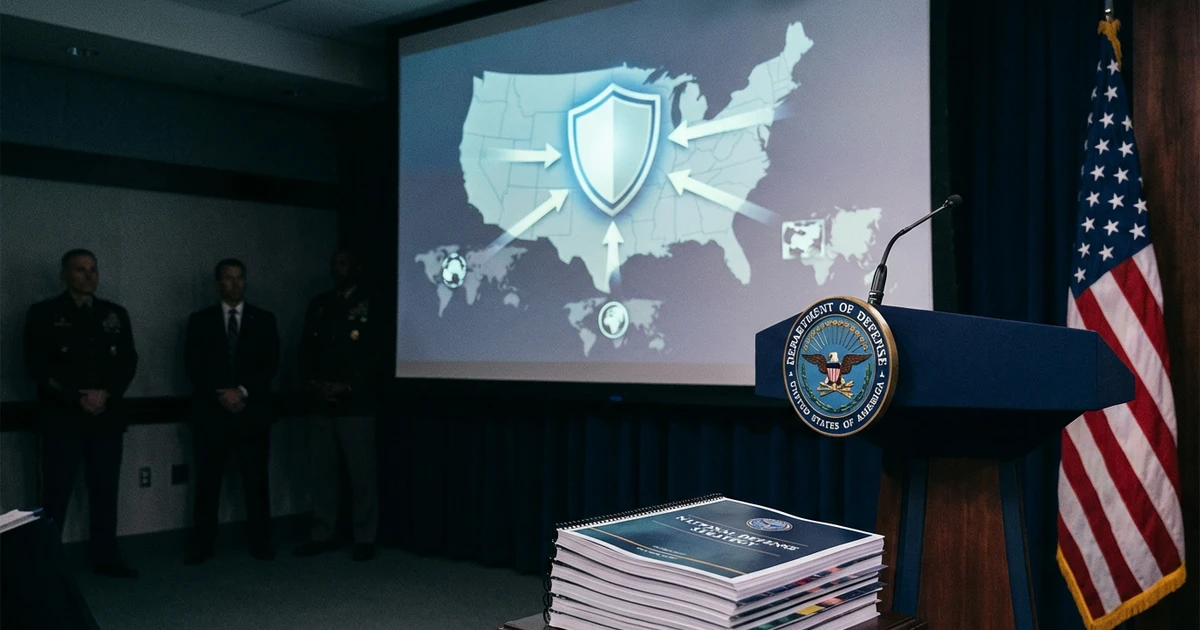
The Pentagon has announced a sweeping overhaul of its defense strategy, marking a decisive pivot from extensive overseas military engagement to a heightened focus on homeland security. This policy shift, revealed in a series of briefings and official statements, underscores a new era in U.S. defense priorities—one defined by more limited support for allies abroad and a recalibration of military resources toward domestic protection.
Strategic Shift: Pulling Back Forces Abroad
Under the new strategy, the Pentagon will scale back its international military footprint, reallocating forces and assets that have historically supported operations and alliances overseas. This move is designed to bolster the nation's readiness and ability to respond to emerging threats at home, reflecting a growing consensus among defense leaders that challenges to U.S. security are increasingly originating within or near its own borders.
- Reduction in the scope of overseas deployments
- Enhanced investment in homeland defense infrastructure
- Reprioritization of resources to counter domestic and regional threats
The decision has been characterized by defense officials as a necessary adjustment to a rapidly evolving global security landscape, where cyberattacks, disinformation campaigns, and unconventional threats now pose as great a risk as traditional military confrontations.
Implications for U.S. Allies and Global Commitments
This strategic recalibration will have profound implications for longstanding U.S. alliances and partnerships. The Pentagon has signaled that while commitments to collective defense arrangements such as NATO will remain, the extent of American military support in crisis situations may become more selective and contingent on direct national interests.
- Allies to receive more limited U.S. military backing in regional conflicts
- Greater emphasis on allied nations boosting their own defense capabilities
- Continued diplomatic engagement to reassure partners about ongoing U.S. commitment
Many analysts note that this shift may prompt allied nations to reassess their security strategies and potentially increase their own defense spending and preparedness.
Domestic Defense: Priorities and Investments
Central to the Pentagon’s new approach is a reinforced commitment to homeland defense. The strategy outlines substantial investments in critical infrastructure protection, cybersecurity, and rapid response capabilities within U.S. borders. The focus will be on countering threats such as:
- Cyber and information warfare
- Emerging technologies in weapons systems
- Natural disasters and non-state actor threats
This realignment is expected to enhance the U.S. military’s agility and resilience, ensuring that the nation is better equipped to deter and respond to modern security challenges.
Analysis: Navigating a New Security Landscape
Experts say the Pentagon’s strategy reflects a pragmatic response to budgetary constraints, political pressures, and a shifting threat environment. By prioritizing homeland security, the Department of Defense aims to ensure that American forces remain capable and responsive, even as the nature of warfare evolves.
While some critics worry that reduced U.S. engagement overseas could embolden adversaries or undermine alliances, supporters argue that a more focused defense posture is necessary for long-term national security and sustainability.
Looking Ahead
The Pentagon’s recalibrated defense strategy marks a significant turning point for U.S. military policy. As the nation and its allies adjust to this new reality, the effectiveness of these changes will be measured by the military’s ability to safeguard the homeland while maintaining credible deterrence worldwide. Ongoing dialogue with partners and continued investment in cutting-edge defense capabilities will be key to navigating the challenges ahead.