US News
Pentagon watchdog reviews U.S. boat strikes after 208 deaths
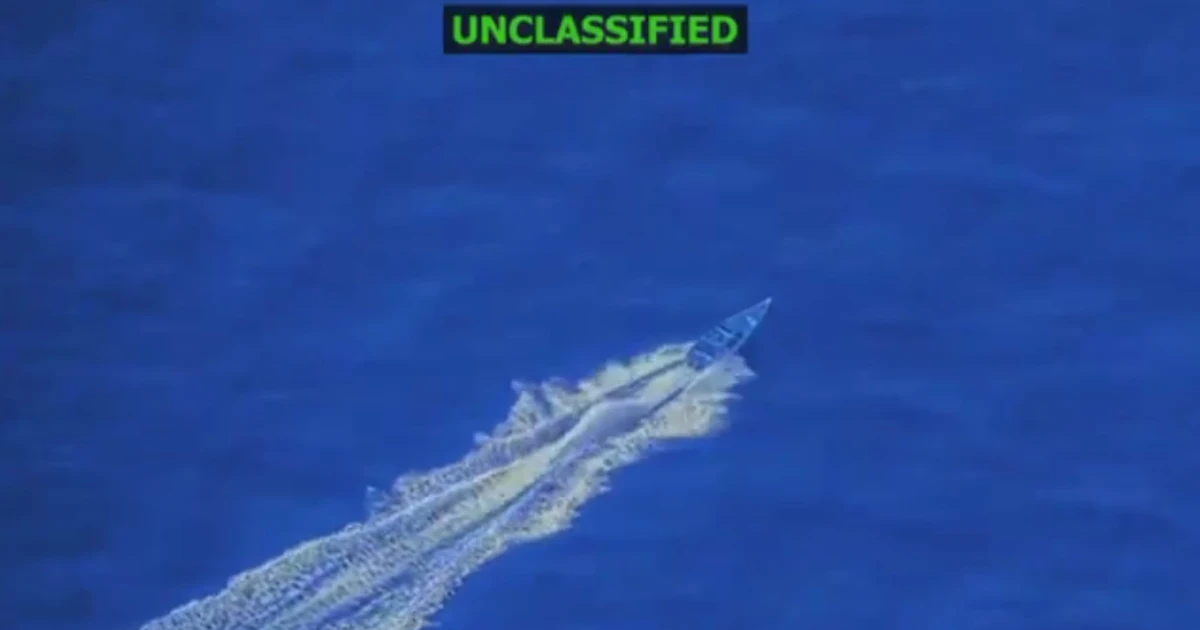
A Pentagon watchdog is now examining a campaign of U.S. strikes on alleged drug boats that has killed at least 208 people and stretched far beyond its original reach. What began in early September 2025 in the Caribbean Sea moved into the eastern Pacific Ocean by October, raising the stakes of a counternarcotics effort that critics say has become a lethal military operation with little public scrutiny.
The latest strike, carried out Tuesday in the eastern Pacific Ocean, killed one person and left two survivors. That attack added to a toll that AP-based reporting said had climbed to at least 208 deaths since the campaign began, a number that has made the operation one of the Trump administration’s most aggressive uses of force in Latin America.
Pentagon officials have described the targets as suspected drug-smuggling vessels or “narcoterrorists,” and the administration has cast the campaign as part of Operation Southern Spear. But officials have not publicly produced evidence showing that the targeted boats were actually carrying drugs, a gap that has fueled criticism from human-rights groups, legal experts and some Democrats in Congress.
The Defense Department Office of Inspector General began its review in May 2026, focusing on whether U.S. Southern Command followed the Pentagon’s six-phase Joint Targeting Cycle and other required targeting protocols. That framework is meant to govern how military targets are identified, reviewed and engaged, making the watchdog’s inquiry a test not only of whether the strikes were lawful, but whether the process behind them matched the military’s own rules.
Human Rights Watch has argued that the September 2025 strikes were unlawful extrajudicial killings. The group and other critics say the campaign has expanded on the basis of assertions rather than proof, while the government has not openly explained the evidence supporting each attack or the legal theory that authorizes them.

The survivor count has also exposed the limits of the operation’s public narrative. In an October 2025 case, two survivors were later slated for repatriation to Ecuador and Colombia rather than brought to the United States, showing that not every strike has ended in death and that the military has had to manage the consequences beyond the initial blast. As the toll rises and the review proceeds, the central question is whether the campaign is disrupting trafficking or normalizing a widening offshore war.
Sources
- [1]cbsnews.com
- [2]usnews.com
- [3]pbs.org
- [4]hrw.org
- [5]nbcnews.com