US News
Perseid meteor shower, Jupiter-Venus conjunction to light up August skies
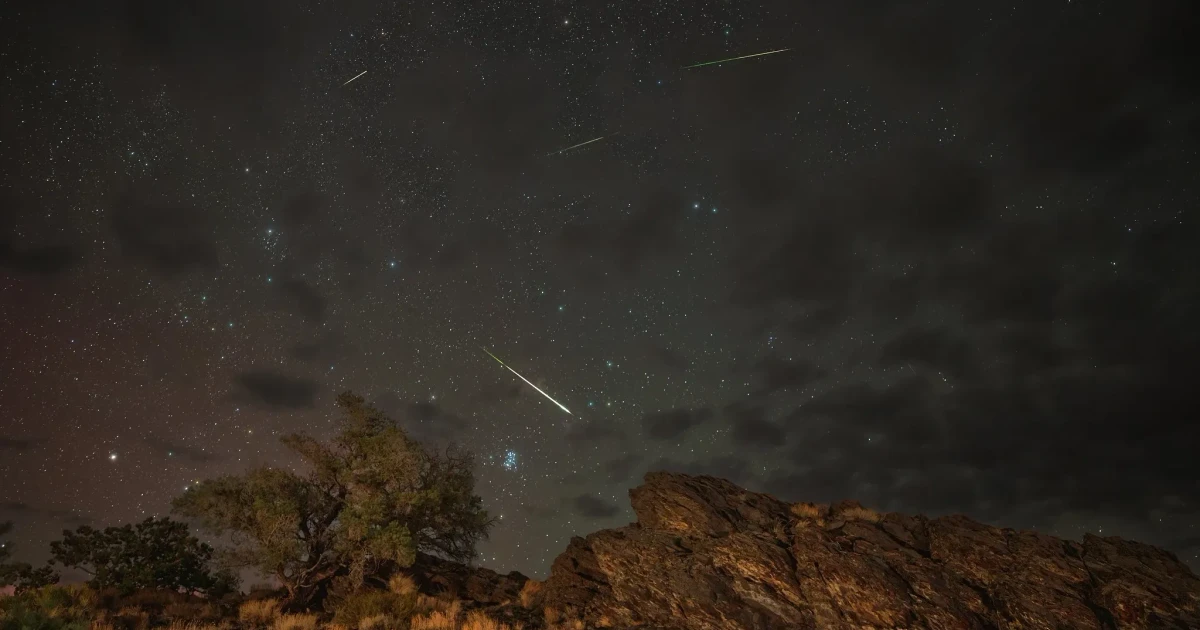
Two different August sky shows matter this year, but they ask for very different plans. The Perseid meteor shower peaks overnight Aug. 12-13 and is visible across the northern hemisphere, while a major solar eclipse on Aug. 12 misses the United States at totality but appears as a partial eclipse in parts of the country from Alaska to North Carolina.
What to watch first
August has packed skies before. FOX Weather’s August 2025 skywatching guide paired a full Sturgeon Moon with the Perseids and a planetary conjunction, and NASA’s Jet Propulsion Laboratory said Jupiter and Venus reached a close conjunction on Aug. 11 and 12, 2025. That same guide noted that the bright Moon made Perseid viewing harder, a reminder that even a famous meteor shower can be less impressive when the sky is washed out.
This year’s lineup is different in one crucial way: the Perseids are the dependable annual event, while the solar eclipse is the rarer, more location-dependent sight. The meteor shower is the better bet for most Americans; the eclipse is the one that demands geography, timing and eye protection.
Perseids: the routine show with the widest reach
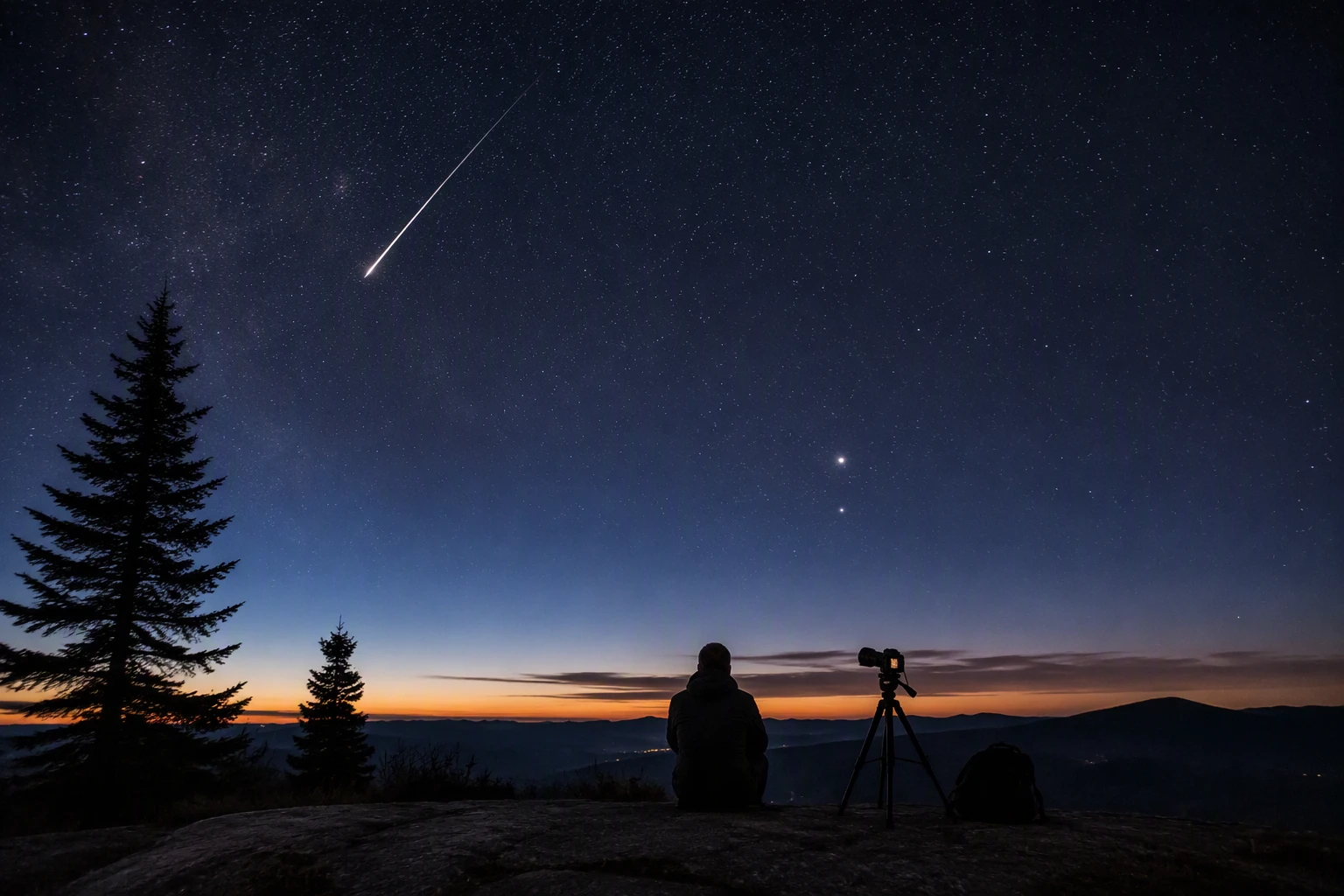
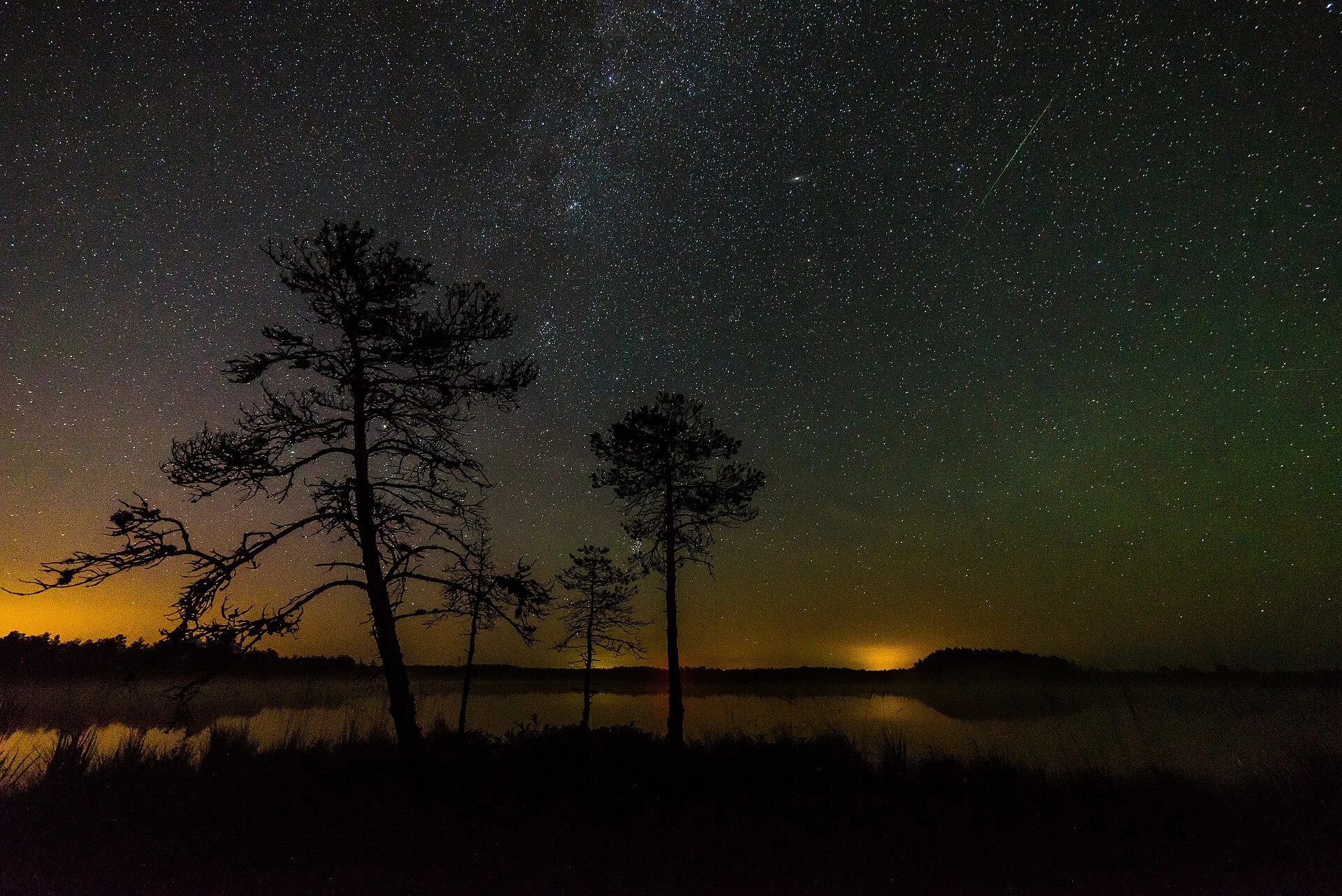
The Perseid meteor shower is active from July 17 through Aug. 24, with its peak overnight Aug. 12-13. NASA identifies the shower as one of the year’s most famous, and says it is caused by Earth passing through debris from comet Swift-Tuttle. The Royal Observatory Greenwich describes the Perseids as a dramatic shower with bright meteors and high hourly rates, which is why they keep drawing skywatchers back every summer.
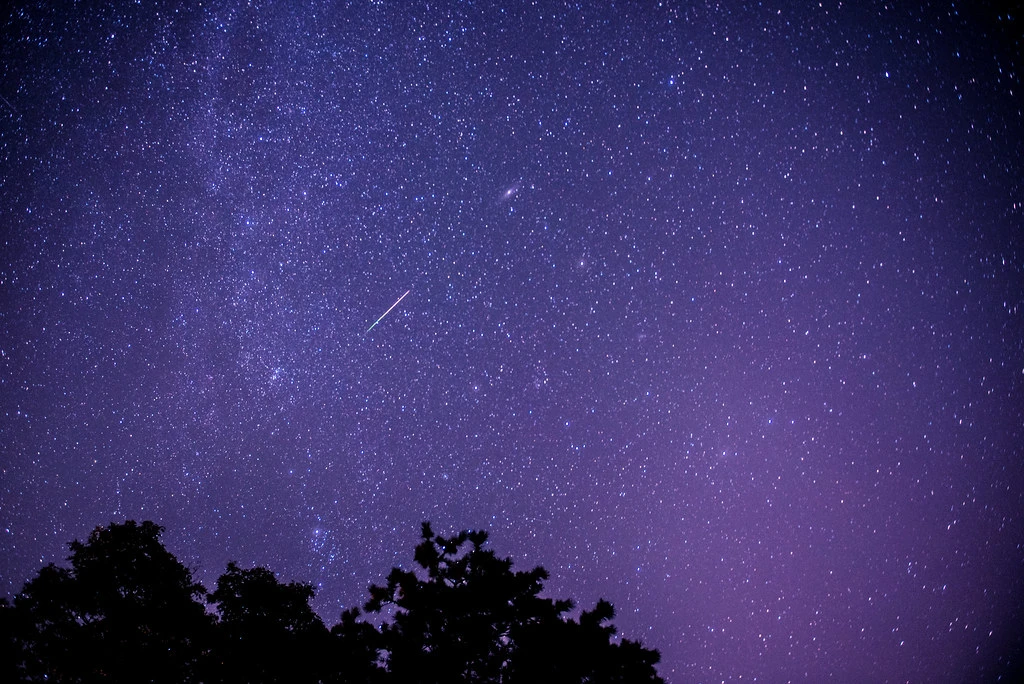
For Americans, the viewing window is the same in every time zone: the best chance comes after local midnight and before dawn on the peak night. In the Eastern and Central time zones, that means the late-night hours of Aug. 12 into the early morning of Aug. 13; in Mountain and Pacific time, the same local overnight window arrives later on the clock but under the same dark sky conditions. Alaska is also in the northern hemisphere sweet spot for this shower, and any location far from city lights will outperform a bright urban sky.
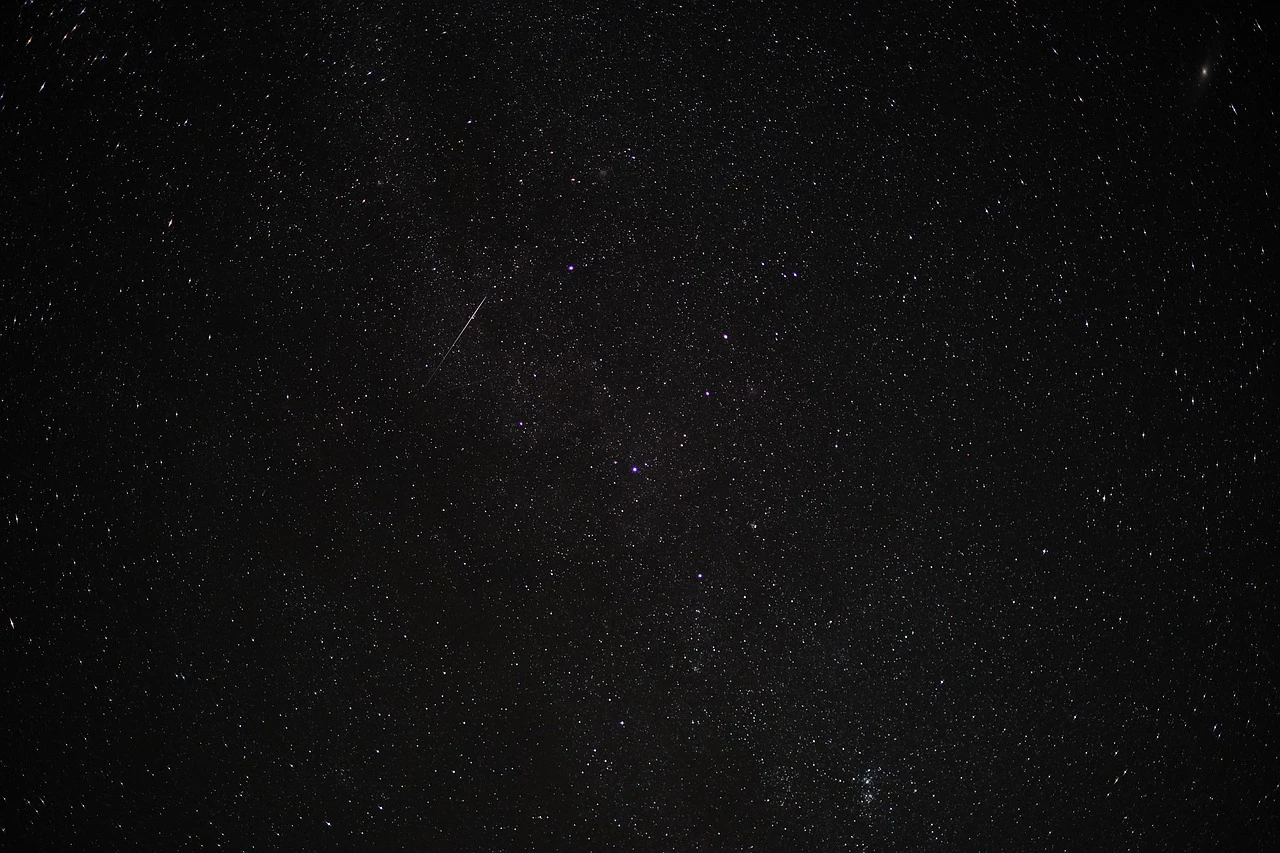
The Guardian described the Perseids as one of the best meteor showers of the year and said they are most visible in the northern hemisphere, which is where the United States sits. That makes the shower the most accessible part of this August skywatching stretch, because it does not require special equipment or a rare travel destination, only a clear sky and patience.
The solar eclipse: rare, regional and not a night event
The solar eclipse is the rarer headline. NASA’s future-eclipse page identifies Aug. 12, 2026 as the date of a major solar eclipse, and NASA’s Jet Propulsion Laboratory says the path of totality crosses northern Russia, Greenland, Iceland, northern Spain and a small corner of Portugal. For Americans, the key detail is that parts of the United States, from Alaska to North Carolina, will see only a partial solar eclipse.
That makes the eclipse a very different kind of public event from the Perseids. Outside the path of totality, viewers in North America, Europe and Africa will still see a partial eclipse, and the Royal Observatory Greenwich says people in the United Kingdom and Ireland could see about 90% to 96% of the Sun covered by the Moon. That is why this eclipse stands out internationally even though Americans will not get the full blackout experience on U.S. soil.
Safe viewing in the U.S.
A solar eclipse is a daylight event, so it comes with one nonnegotiable rule: never look directly at the Sun without proper protection. Certified solar filters or indirect viewing methods are required, whether you are in Alaska or in a state that sees only a partial eclipse. Community viewing sites, school events and public observatories matter here because safe access is part of the experience, not an optional add-on.
A simple way to think about the two events is this: the Perseids reward a dark sky, while the eclipse demands filtered sunlight. That difference is what separates ordinary stargazing from a public safety issue. Meteor watching is about comfort and patience; eclipse watching is about preventing avoidable eye injury.
A crowded month, but not every event carries the same weight
Later in August 2026, a partial lunar eclipse adds one more sky event to the calendar. NASA and other skywatching guides note it as part of the month’s concentration of celestial activity, but it does not change the basic hierarchy for planning: the Perseids are the annual mainstay, and the solar eclipse is the rare event that only favors certain places.
That contrast is the practical guide for August. If you want the broadest, easiest U.S. viewing, set aside a clear night for the Perseids. If you are in Alaska or another partial-eclipse zone on Aug. 12, plan for daytime eclipse viewing with certified solar protection, because the sky will not repeat this map the same way again soon.
Sources
- [1]news.google.com
- [2]foxweather.com
- [3]jpl.nasa.gov
- [4]science.nasa.gov
- [5]livenowfox.com
- [6]theguardian.com
- [7]earthsky.org
- [8]rmg.co.uk
- [9]nso.edu
- [10]timeanddate.com
- [11]nationaleclipse.com
- [12]skyatnightmagazine.com