US News
Perseid meteor shower peaks this week, bright moon may limit views
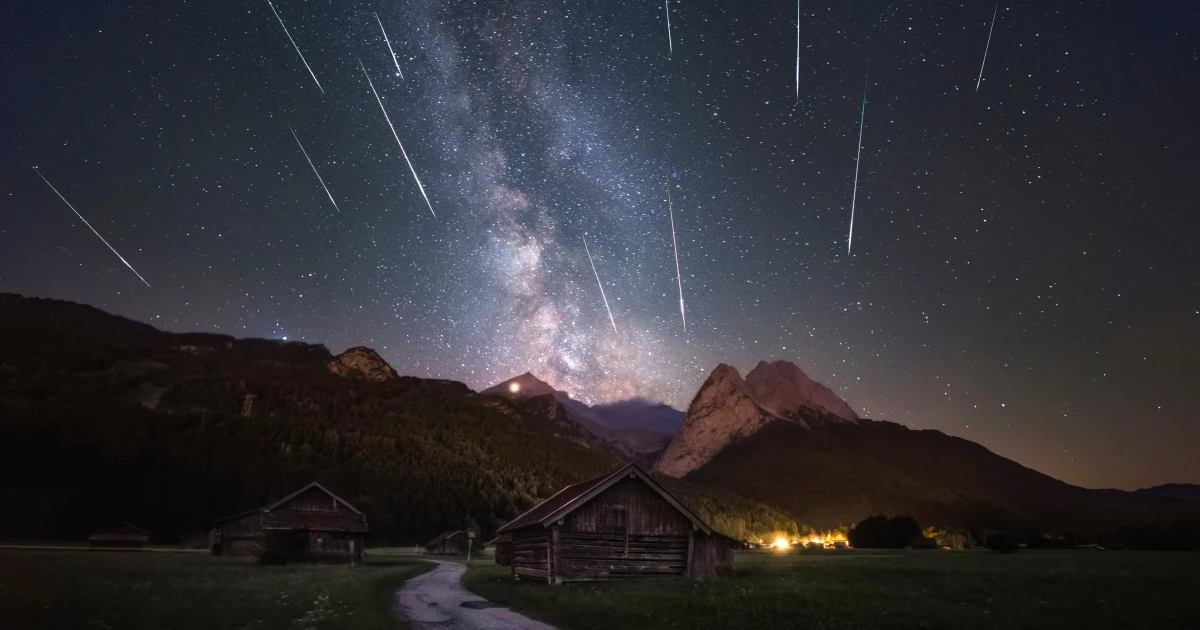
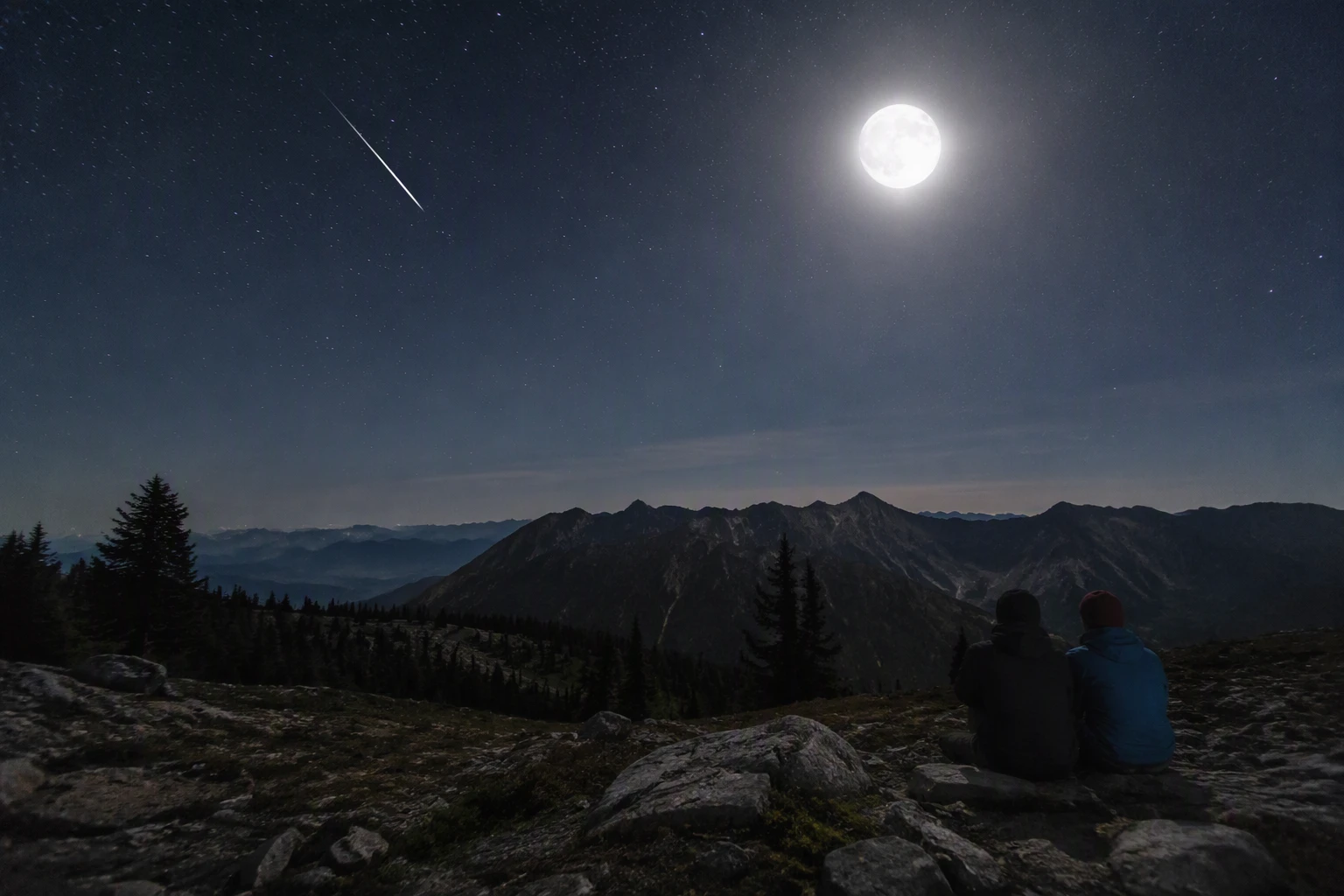
Dark, open skies away from city lights offered the best chance to catch the Perseid meteor shower, which peaked Aug. 12-13 across the Northern Hemisphere after midnight and before dawn. An 84% full Moon muted the display, and bright moonlight could interfere with viewing the peak.
The Perseids come from debris left by Comet 109P/Swift-Tuttle, and the shower stays active for a much longer stretch than the peak alone, from about July 17 to Aug. 23 each year. Under dark skies it can produce about 50 to 100 meteors per hour. In 2025, the American Meteor Society estimated observers would see about 25% of the peak because of the Moon, and NASA’s Jet Propulsion Laboratory’s Aug. 1 “What’s Up - August 2025” video forecast the bright Moon would hamper viewing.
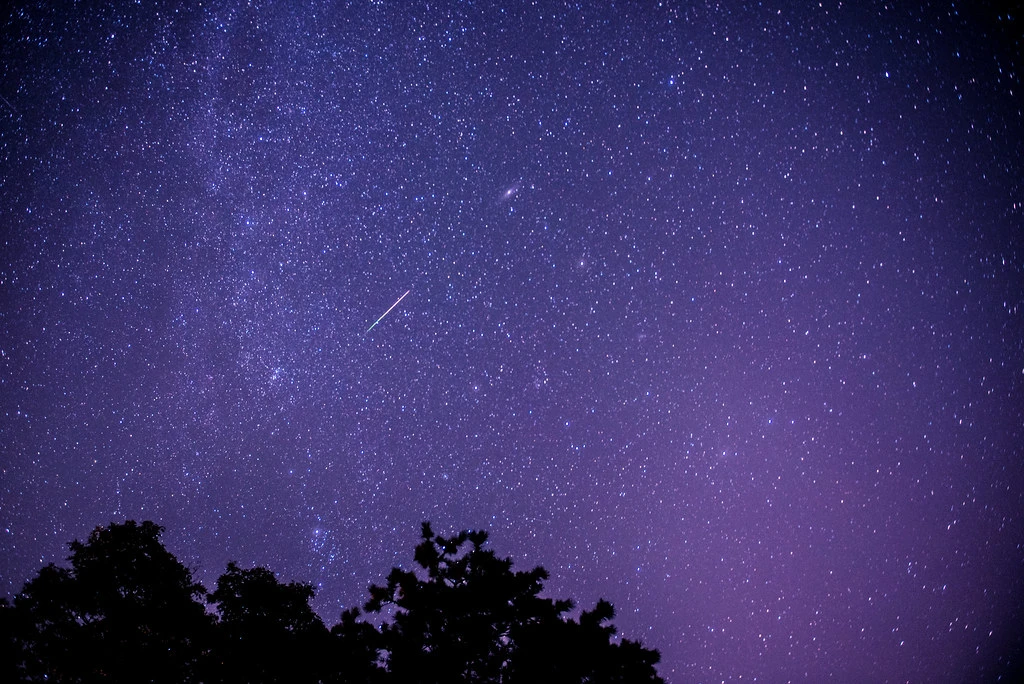
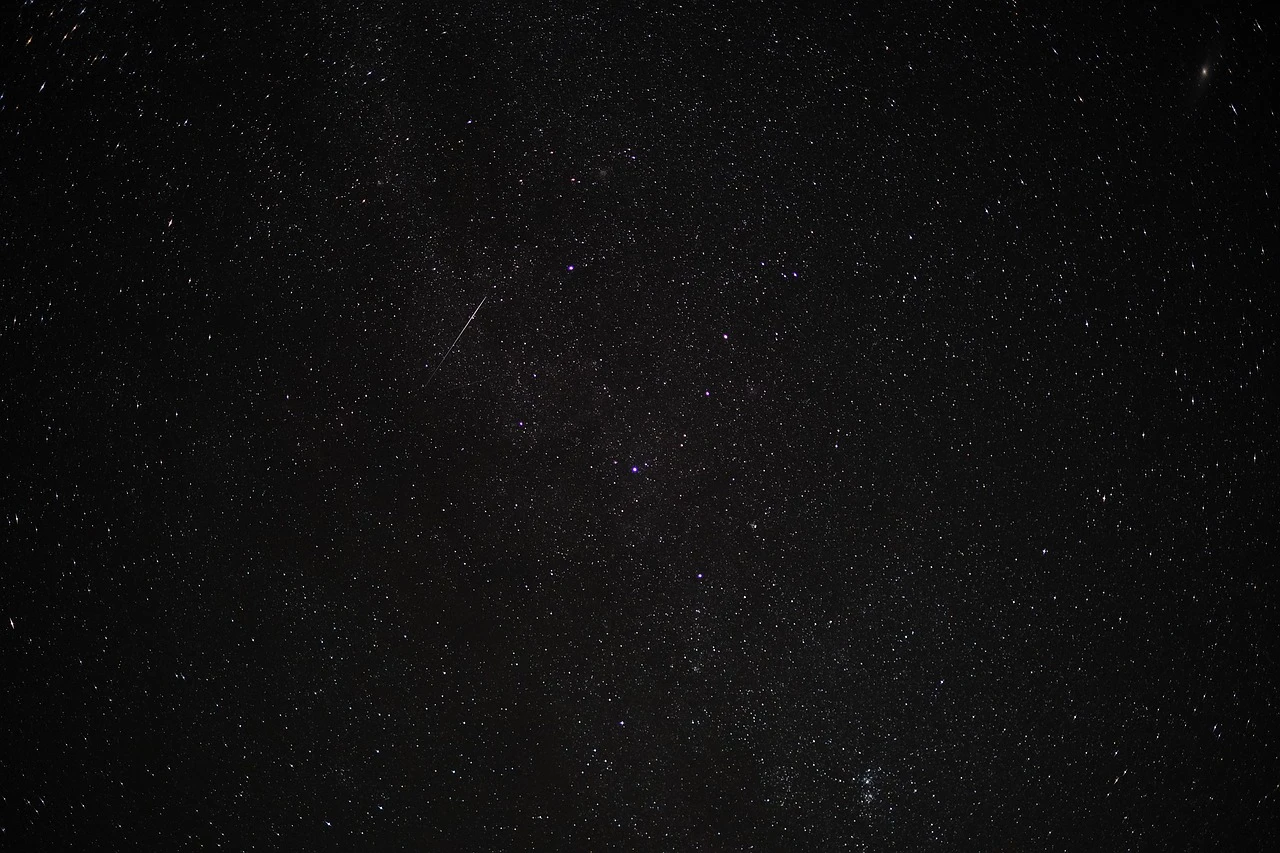
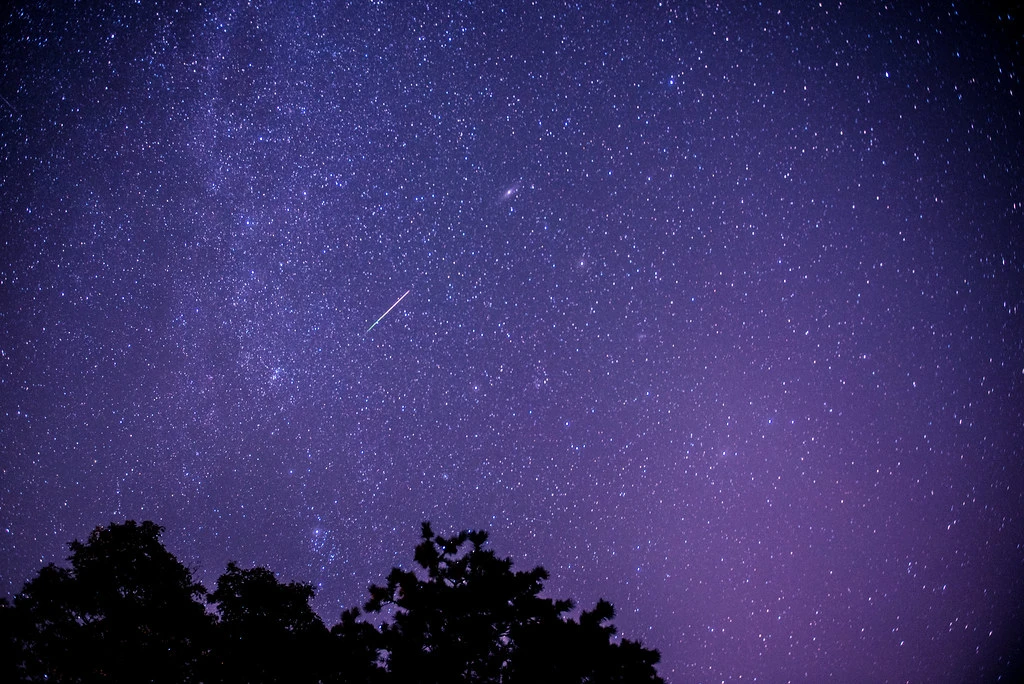
The best odds came well away from urban glare, where the sky stayed dark long enough for eyes to adjust. The shower was easiest to spot with the naked eye, not with binoculars or telescopes, which cut down the field of view and made fast streaks easier to miss. A smartphone screen or zoom lens did not replace that wide view of the sky, and a cloudy night would have blocked the display altogether no matter how strong the meteor activity was.
Sources
- [1]news.google.com
- [2]apnews.com
- [3]theguardian.com
- [4]cbsnews.com
- [5]nasa.gov
- [6]jpl.nasa.gov
- [7]science.nasa.gov
- [8]amsmeteors.org
- [9]youtube.com