Science
Perseid meteor shower returns, offering late-summer skywatching spectacle
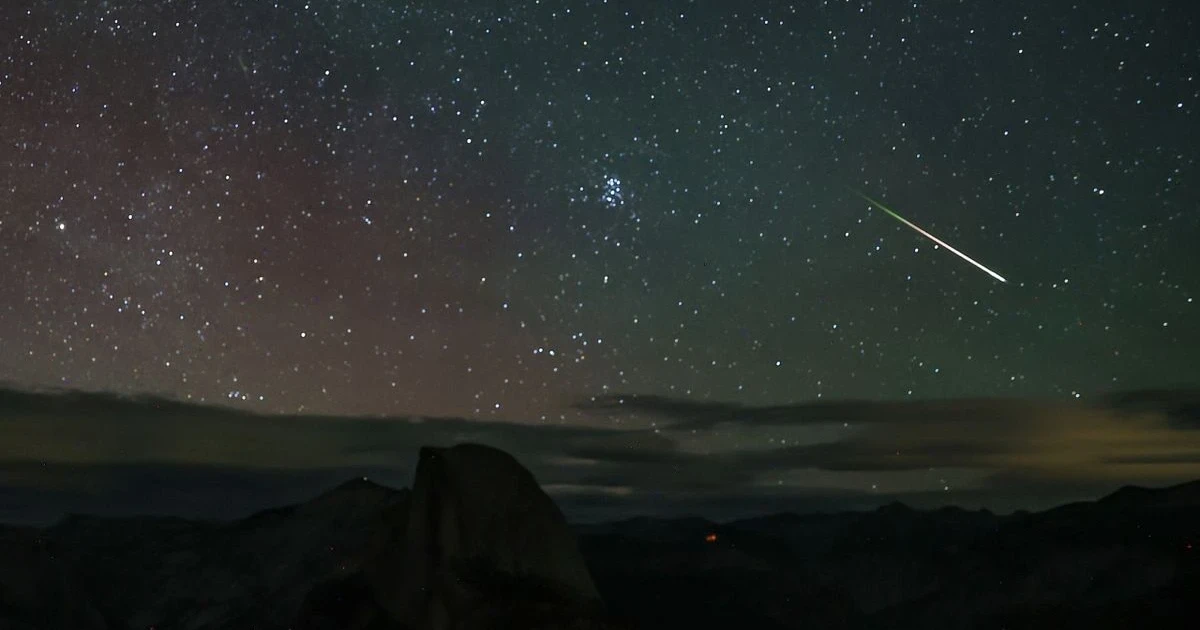
The Perseid meteor shower peaks on the nights of Aug. 12 and 13, and the best chance to see it comes after midnight through dawn from a dark, open location away from city lights. A new moon keeps moonlight low this year, but cloud cover and local glare still can wipe out much of the display.
The Perseids send bright, fast streaks of light across the sky when conditions cooperate. The shower comes from debris left by comet Swift-Tuttle, and Earth crosses that trail every summer. When tiny particles hit the atmosphere, they burn up and create the flashes observers see as meteors.
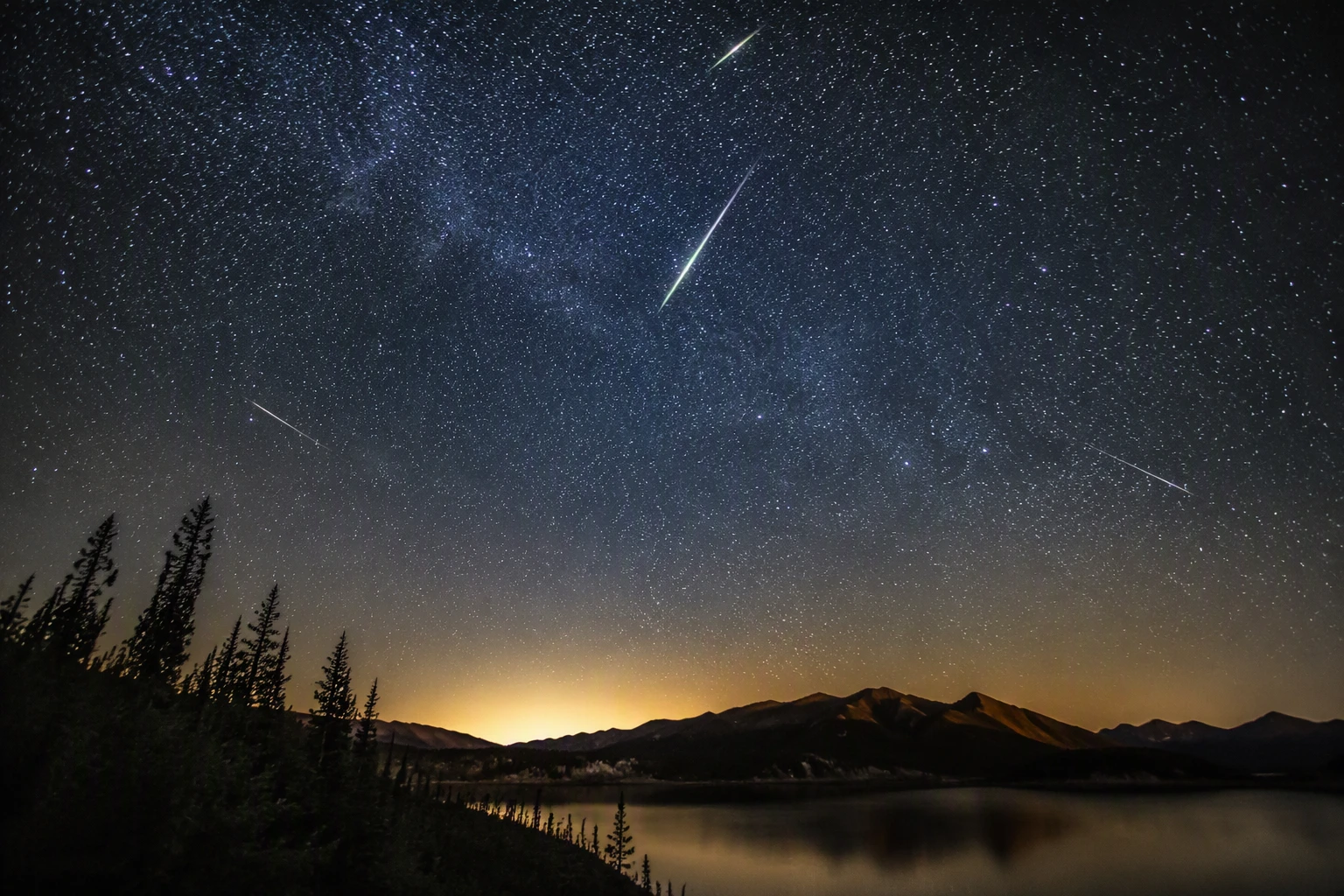
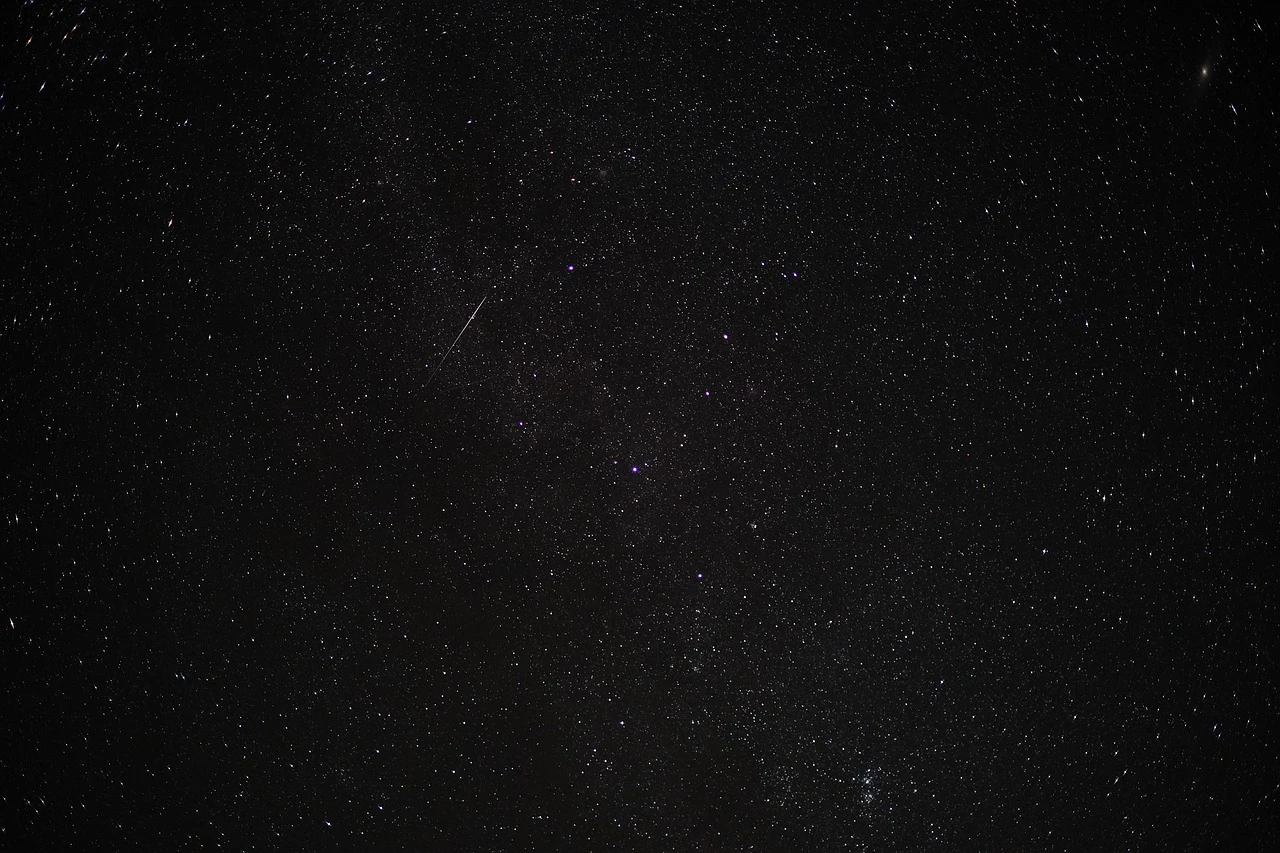
People watching from suburbs or cities will have a harder time than those who can reach darker ground, and even a short drive away from streetlights can make a difference. Bright phone screens can ruin dark adaptation, so it helps to keep screens dim and give eyes time to adjust. Meteor activity often comes in bursts rather than a steady stream.
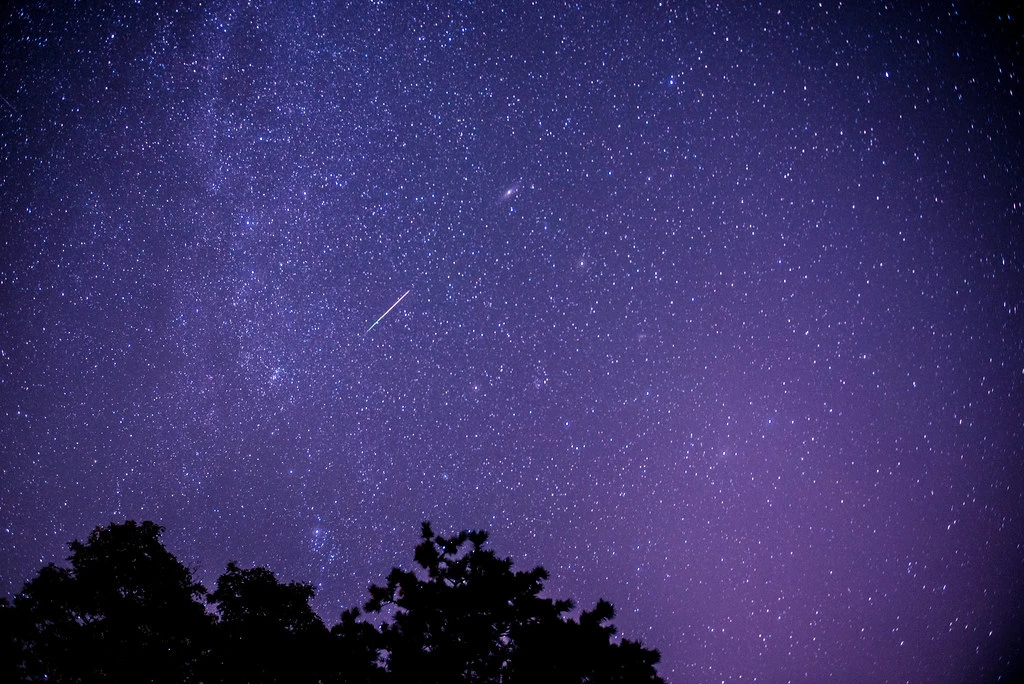
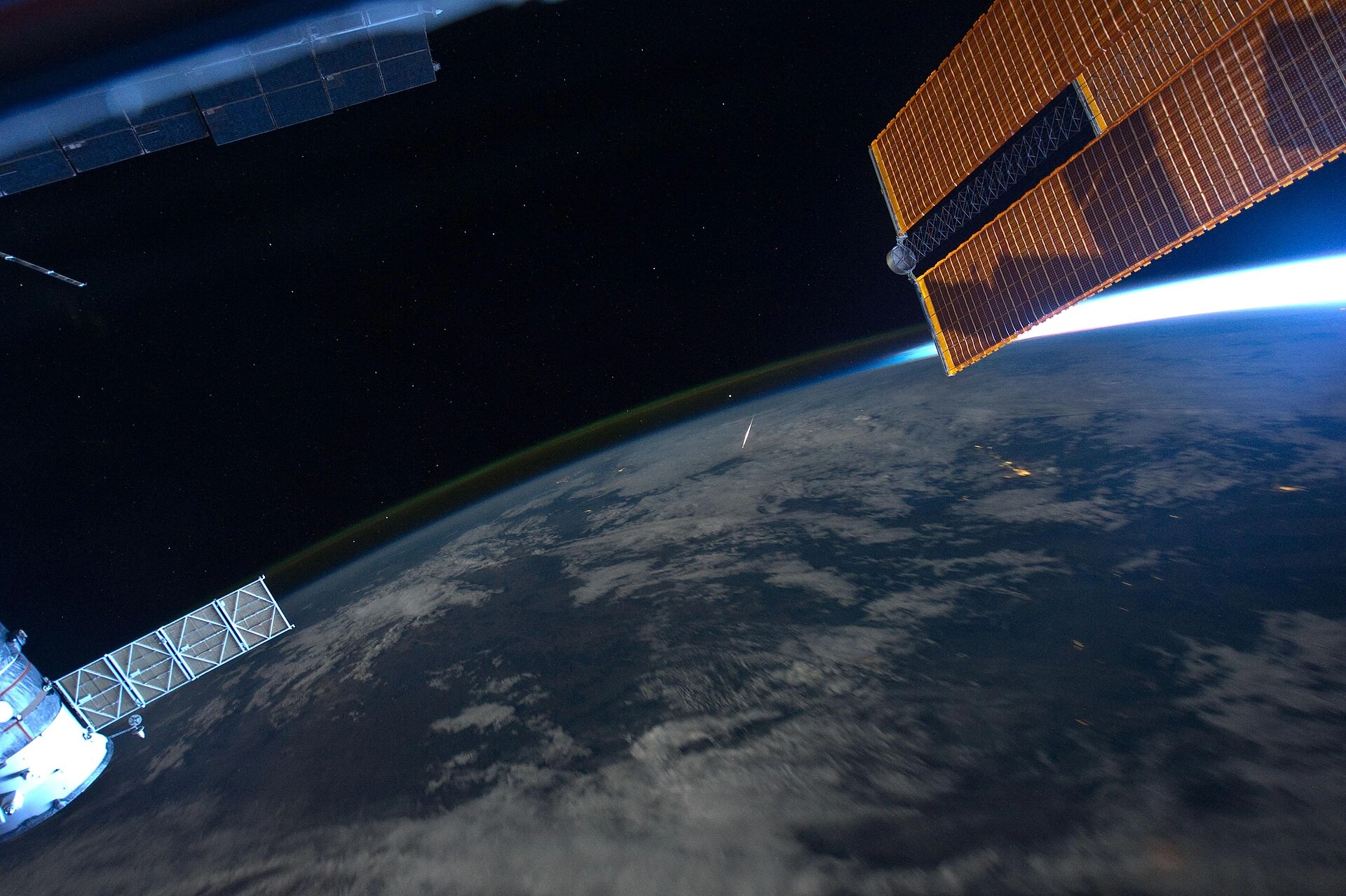
The peak falls in the early hours of Aug. 13, and observers could see up to 100 meteors per hour, the Natural History Museum says. The best time to watch is after midnight through dawn, when the sky is darkest and the shower should be most active.
Sources
- [1]apnews.com