Science
Perseverance uncovers asteroid-built ancient rock on Mars rim
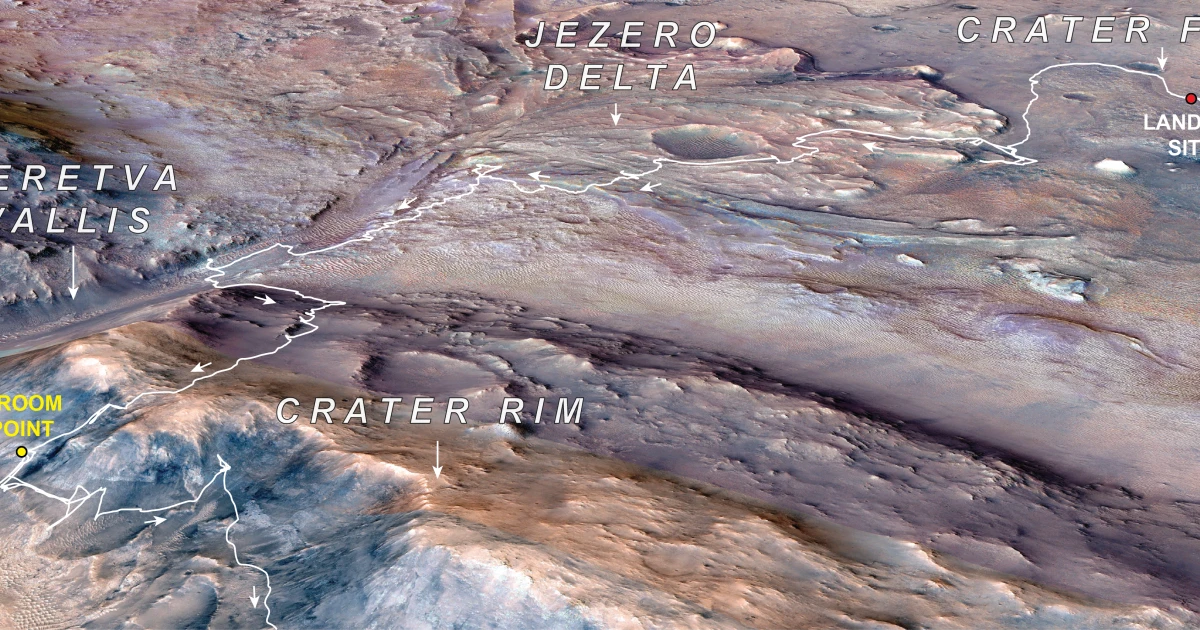
A 245-foot-thick stack of layered bedrock on Jezero Crater’s western rim was built by repeated asteroid impacts, not volcanism. The finding, published July 15 in the Journal of Geophysical Research: Planets, points to the Broom Point member as rock that is likely more than 3.9 billion years old and older than the crater itself.
Perseverance reached the rim in December 2024 after a 3½-month climb from the crater floor, and the route covered 2,620 feet, or 800 meters, from landing site to crest. The rover landed in Jezero Crater on Feb. 18, 2021, then worked through the western delta and Neretva Vallis before visiting the Broom Point region in mid-2025.
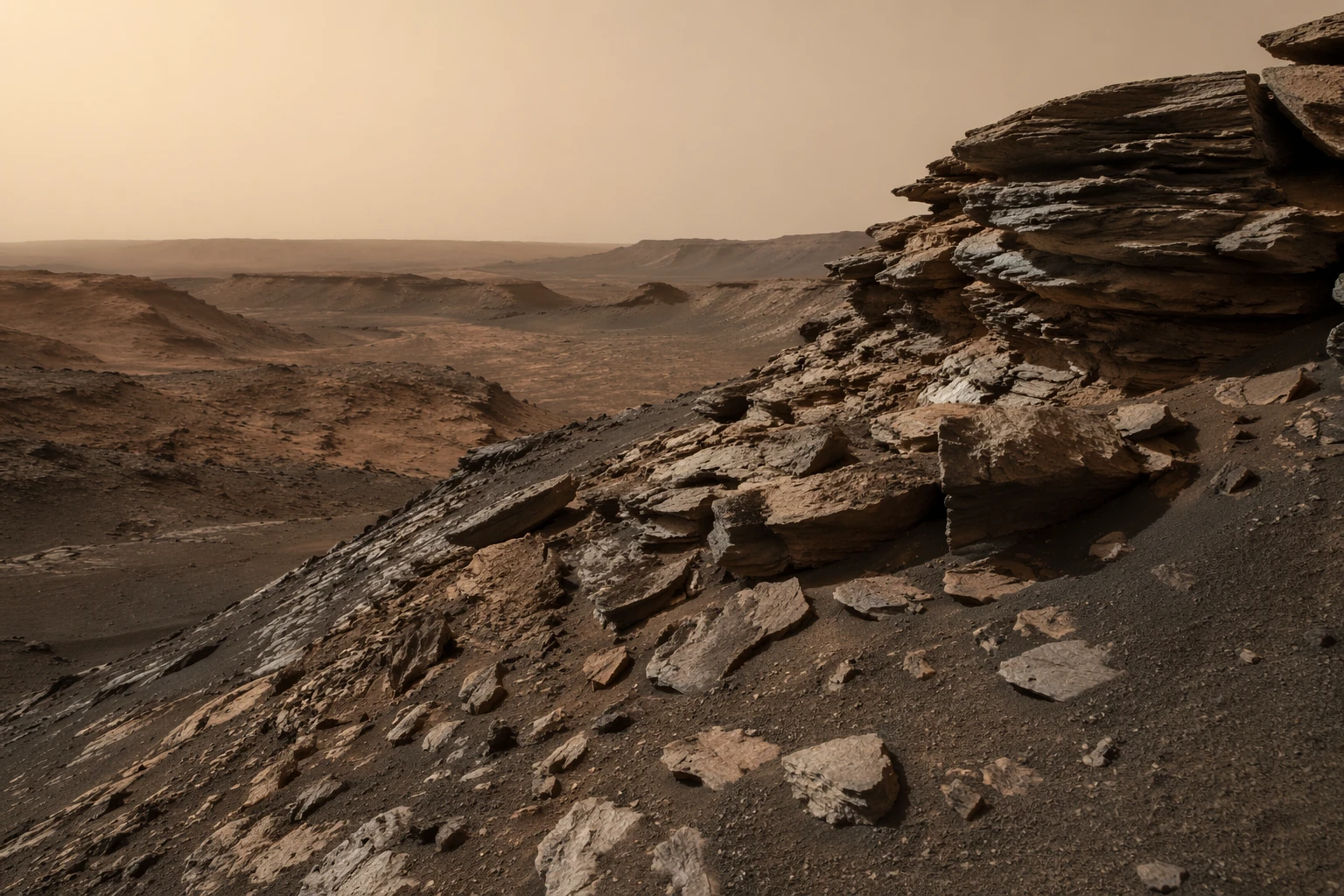
At Broom Point, Perseverance examined six distinct rock types, including breccias made of angular fragments and layers of fine-grained pulverized rock dust. Gas-bubble cavities in some fragments show the rocks were once molten, while tiny dark glassy beads point to impact-related formation rather than volcanism. The largest beads resembled debris flung out by the Chicxulub impact on Earth, the asteroid strike associated with the dinosaur extinction.
Mars lacks plate tectonics, so its ancient crust has not been recycled the way Earth’s earliest geologic record was erased. The crater rim preserves ancient crust for reconstructing the solar system’s violent early history and timing the period when large impacts shaped Mars’s environment before the crater formed.
Ken Farley, NASA’s deputy project scientist at Caltech in Pasadena, California, called Perseverance’s work “a brand-new frontier” and said Mars preserves ancient crust that Earth lost. NASA's crater-rim campaign has been the mission’s fastest science-collection tempo since landing, with five rocks cored on the rim since January 2025, samples sealed from three of them, seven rocks analyzed up close and another 83 examined from afar by laser.