Science
Persistent Fuel Leaks Plague NASA's Artemis Moon Rocket Despite Years of Repairs
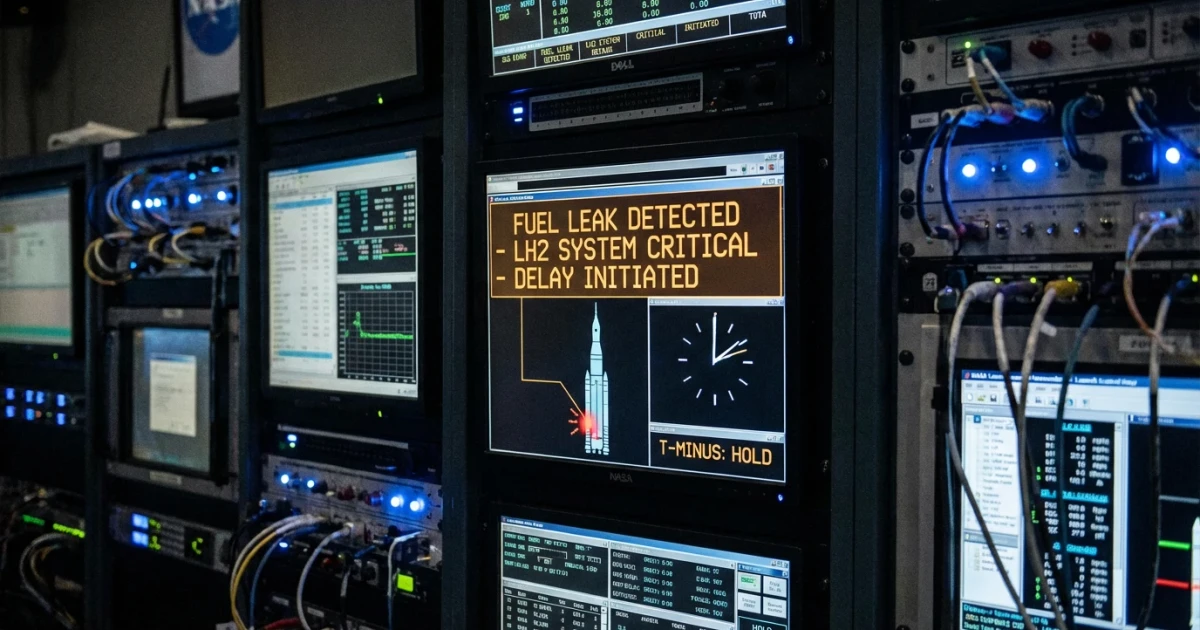
NASA's Artemis moon rocket, a symbol of renewed American ambition in lunar exploration, is once again facing scrutiny as persistent fuel leaks threaten to delay historic missions. Despite three years of dedicated repair efforts, the agency continues to struggle with technical issues that are testing patience and raising concerns about the timeline of crewed lunar landings.
Three Years of Ongoing Repairs
The Artemis program, spearheaded by NASA, is designed to return humans to the Moon for the first time since the Apollo era. Central to this effort is the Space Launch System (SLS) rocket. However, repeated fuel leaks—an issue first observed during early testing—have persisted across multiple pre-launch rehearsals and launch attempts, despite extensive engineering interventions.Launch Delays and Technical Challenges
NASA’s highly anticipated Artemis missions have faced several delays as engineers battle recurring hydrogen and oxygen fuel line leaks. Each time a leak is detected, launches are scrubbed, and the rocket is rolled back to the Vehicle Assembly Building for repairs. These interruptions have not only extended the timeline but also introduced uncertainty regarding the readiness of the hardware.- Three years of attempted repairs have seen repeated setbacks.
- Leaks have occurred during both tanking tests and official launch windows.
- Each incident results in significant delays to the Artemis launch schedule.
Impact on Artemis Mission Timeline
The repeated technical problems have forced NASA to postpone launches, including the highly publicized Artemis I uncrewed mission. The ripple effect of these delays could push back future Artemis missions, including the eventual crewed lunar landing that was initially targeted for the mid-2020s.Why Do the Leaks Persist?
Experts point to the complexity of the Artemis rocket’s fueling system, which uses super-cooled liquid hydrogen and oxygen. These cryogenic propellants are prone to causing seals to shrink and connections to contract, making leaks a recurring challenge. Despite redesigns and the introduction of new hardware, the underlying engineering hurdles remain formidable.Looking Forward: NASA’s Next Steps
NASA officials have stated that every delay and repair provides valuable data that will ultimately improve the safety and reliability of future missions. While the repeated setbacks are frustrating, the agency emphasizes that space exploration is inherently complex, and addressing these issues now is crucial for long-term success.Conclusion
The ongoing fuel leaks in the Artemis moon rocket highlight both the technological challenges and the high stakes of returning humans to the Moon. With each repair, NASA aims to edge closer to mission readiness, though the timeline remains uncertain. The world will continue to watch as the agency works to resolve these persistent problems and prepares for the next chapter in lunar exploration.Sources
- [1]Space