Politics
Peru confirms Fujimori as president-elect after razor-thin runoff
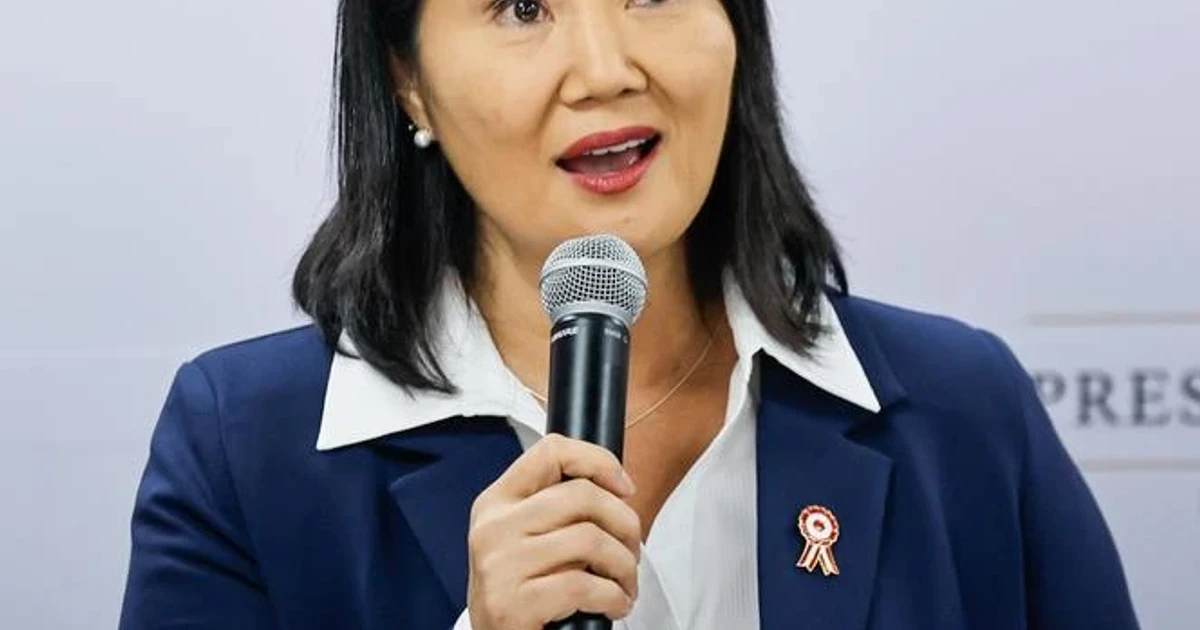
Peru’s electoral authority formally confirmed Keiko Fujimori as president-elect, ending a runoff fight decided by 50.135% of valid votes to Roberto Sánchez’s 49.865%. The margin was fewer than 50,000 votes in a race held on 7 June 2026, one of the closest in Peru’s recent history.
The declaration on 3 July gave Fujimori the legal authority to move from campaigning to governing, a shift that matters in a country where rapid leadership changes have repeatedly shaken confidence in the state. Formal certification allows an incoming president to assemble a cabinet, set policy priorities and begin reassuring investors, lawmakers and foreign partners after a prolonged count.
That transition did not arrive in a calm political climate. The vote was followed by weeks of protests, fraud claims and ballot reviews, and the aftermath remained deeply polarized as the result was contested across the country. In that setting, acceptance of the outcome becomes as important as the count itself, because a disputed presidency can quickly harden into a legitimacy crisis before the new administration even takes office.
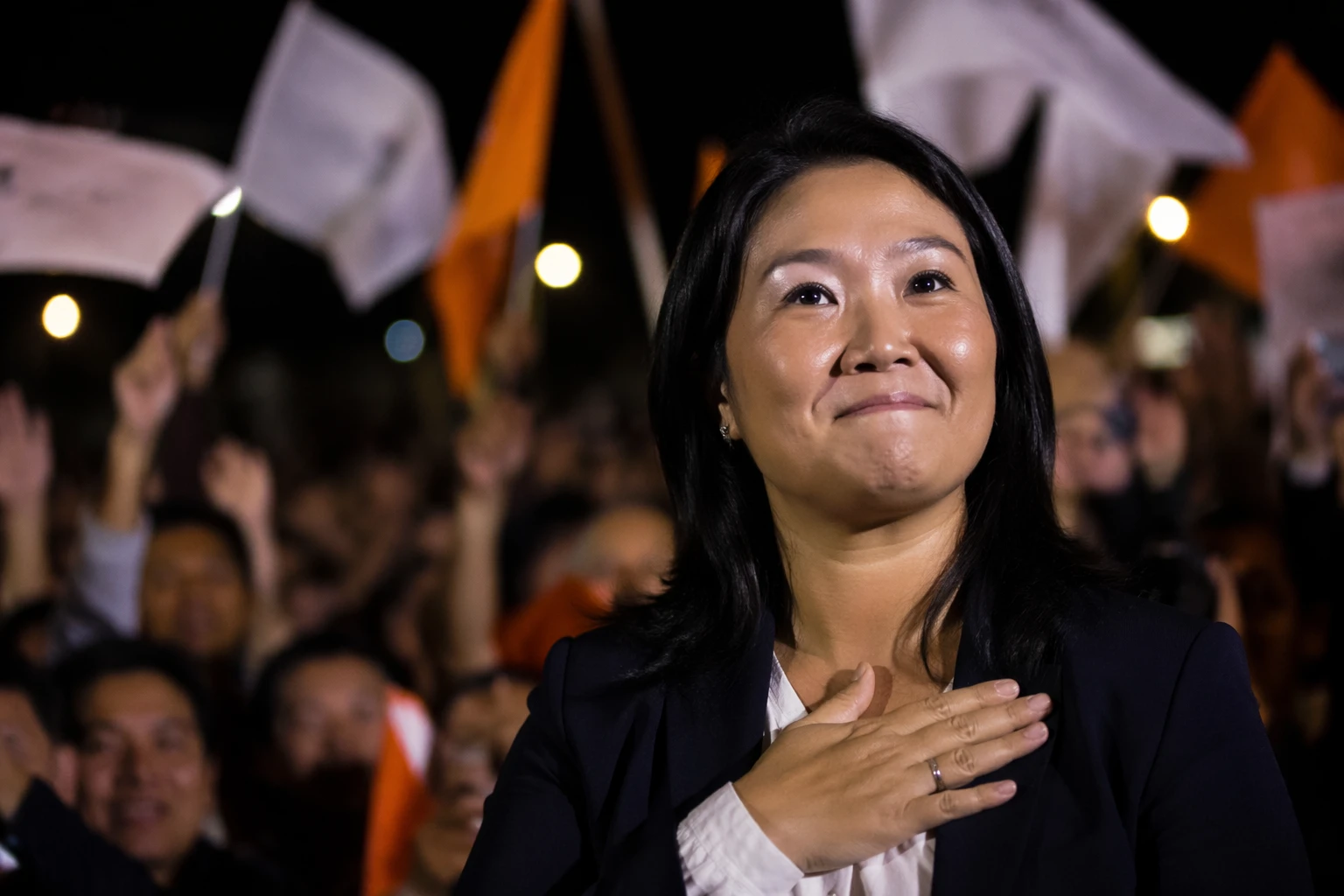
Fujimori’s name makes the stakes even higher. She is the daughter of former president Alberto Fujimori, and her victory returned the Fujimori dynasty to the center of Peruvian politics. Supporters see the family as a force for order; opponents associate it with authoritarian rule and political scandal. That tension has framed her ascent from the start and will shape how rivals in Congress, civil society groups and international observers judge her first moves.
The incoming president also faces immediate practical decisions. Before receiving her official credentials in Lima on 15 July, Fujimori began a ministry-by-ministry transition review, signaling that her team was already mapping out appointments and the early structure of government. For a country that has cycled through crises, impeachment battles and abrupt changes in leadership, the composition of the cabinet will be watched closely as the first test of whether the certification can translate into stable rule.
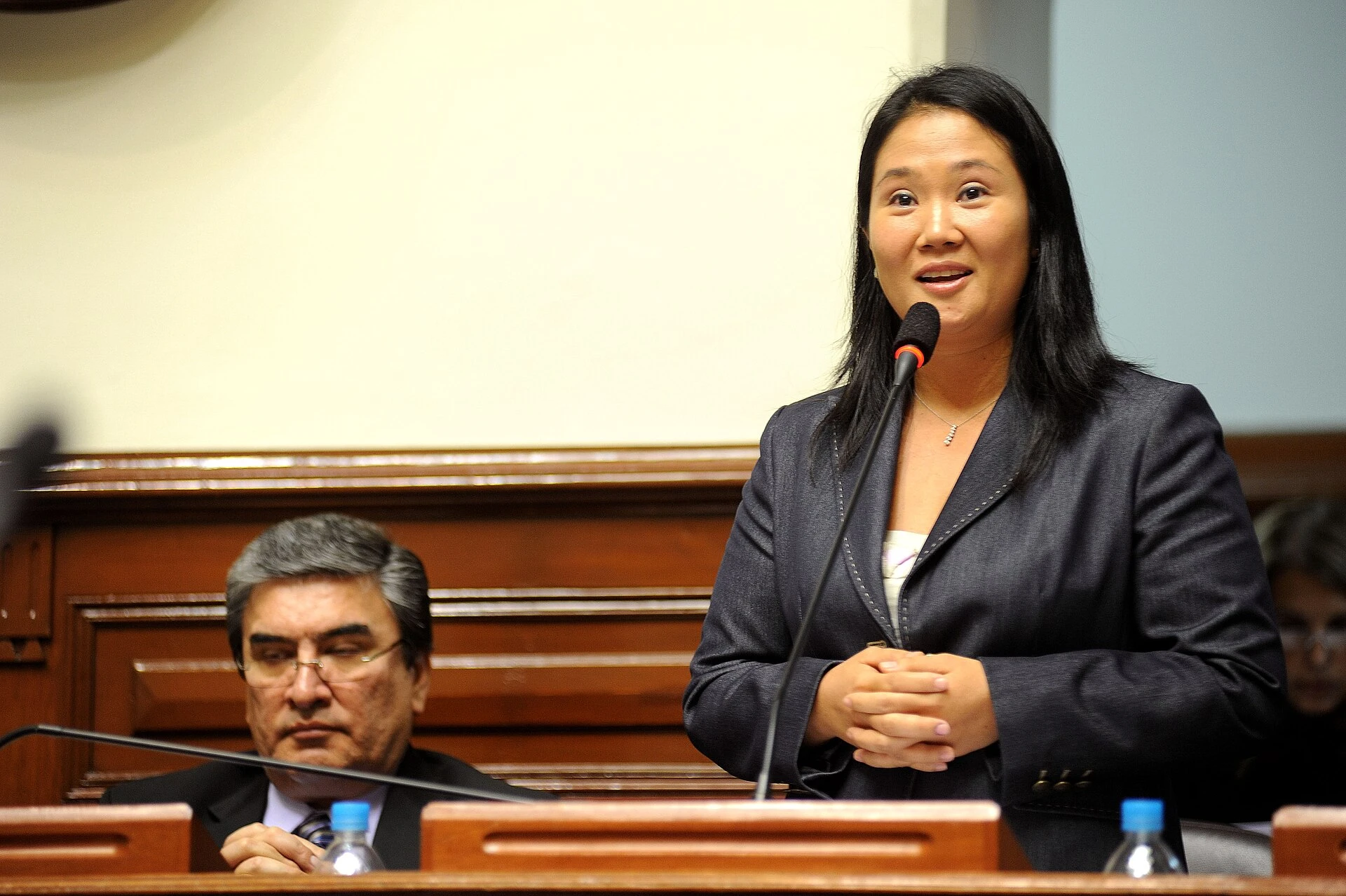
Fujimori’s formal recognition also made her the first woman elected by popular vote to lead Peru. That milestone adds to the political weight of the handover, but it does not resolve the divisions that produced the razor-thin result. The certification ended the election fight on paper; the harder test is whether Peru’s next government can turn a contested victory into workable authority.
Sources
- [1]reuters.com
- [2]bbc.co.uk
- [3]aljazeera.com
- [4]facebook.com
- [5]aa.com.tr