World
Peru declares emergency in 796 districts as heavy rains loom
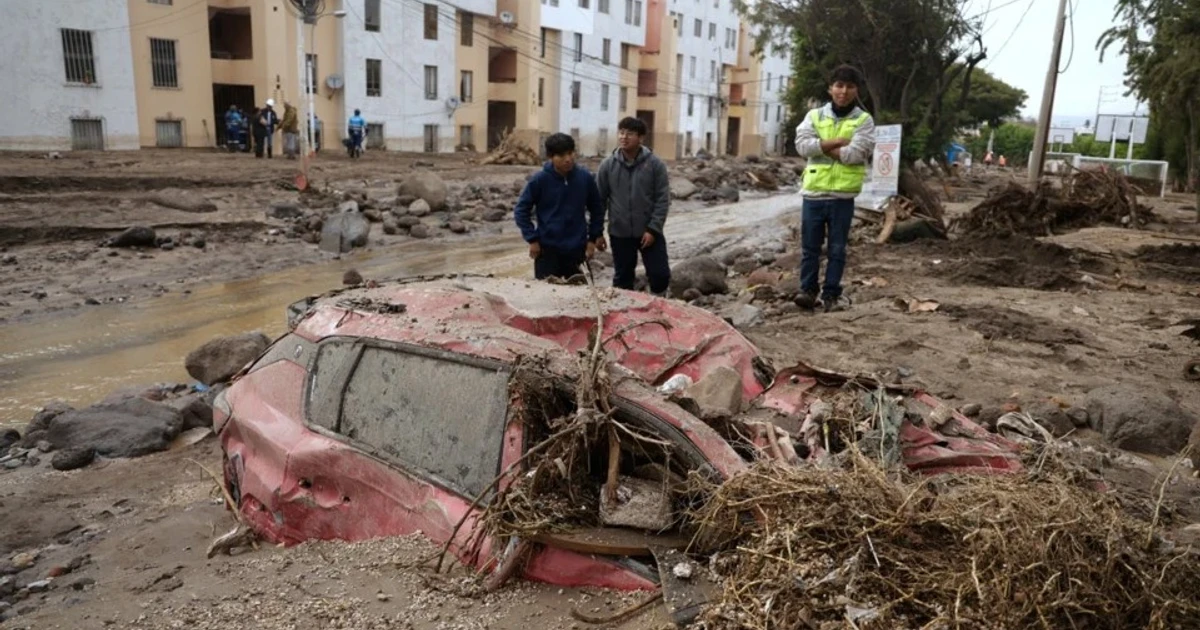
Peru declared a 60-day state of emergency in 796 districts on July 2, opening the door for regional and local authorities to take extraordinary steps before heavy rains linked to El Niño intensify. The decree covers about 40% of the country, putting major population and transport corridors on the same alert footing as more isolated high-risk zones.
The emergency was made official as Supreme Decree 097-2026-PCM and published in El Peruano. Government language says the aim is to carry out immediate and necessary exceptional actions to reduce a “very high” risk in the affected districts, while financing the response through existing budgets rather than new treasury funds.
That choice matters because it can speed up road clearing, drainage work, slope stabilization and emergency logistics without waiting for a fresh budget package. It also raises the stakes for local governments, which will have to stretch current resources across prevention, cleanup and response if flooding, landslides or bridge damage worsen.
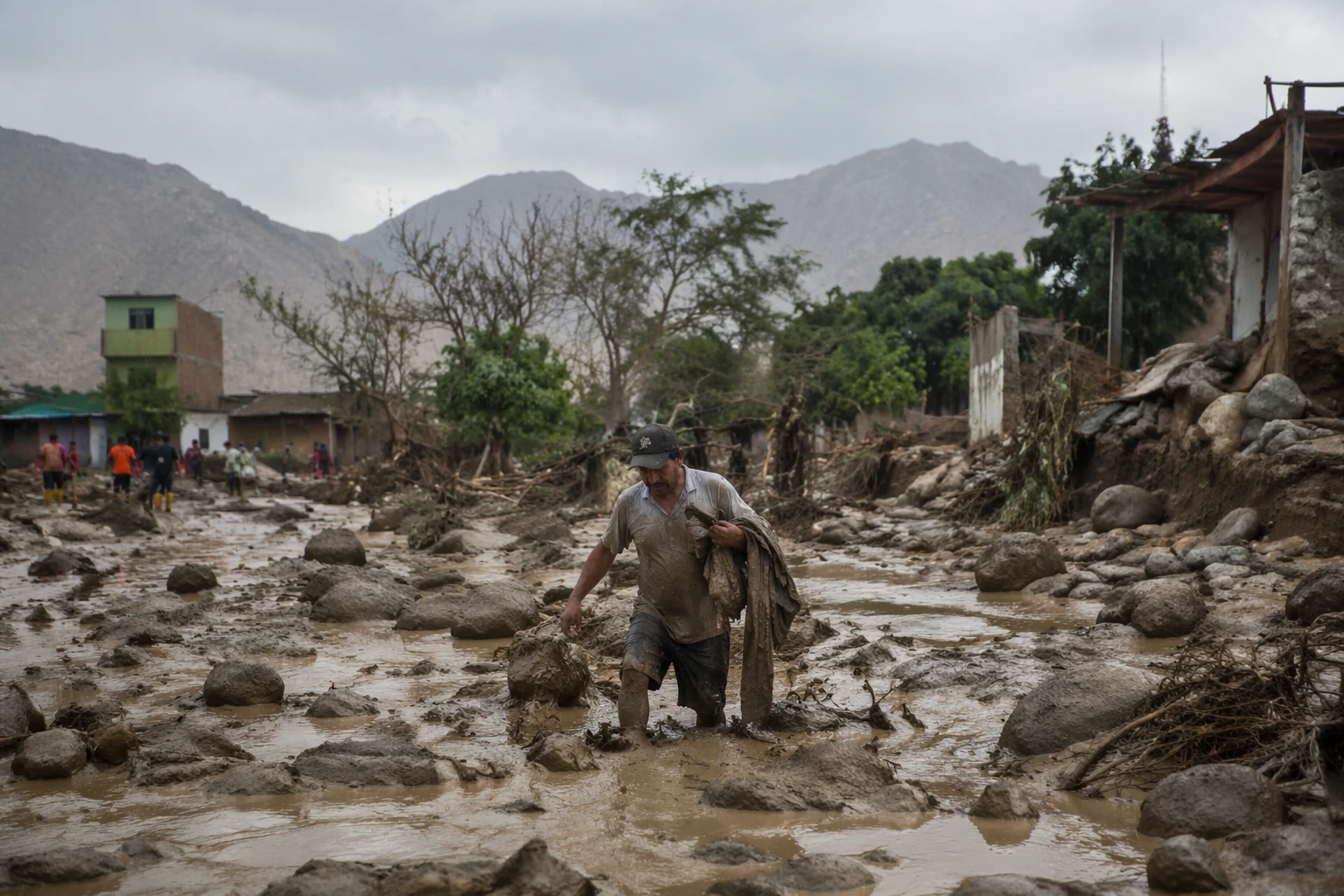
The declaration spans some of Peru’s most exposed and economically important areas, including Lima, Cusco and Arequipa, showing that the danger is not confined to remote rural communities. Districts in Amazonas, Ancash, Apurimac, Ayacucho, Huancavelica, Huanuco, Ica, Junin, La Libertad, Moquegua, Pasco, Piura, Tumbes, Ucayali, San Martin and Madre de Dios are also among those affected, placing urban neighborhoods, farming valleys and hillside settlements inside the same 60-day response window.
This latest move comes after earlier emergency decrees in 2026, including a declaration in 246 districts across 14 departments because of heavy rains. The repeated use of emergency status shows how persistent the rainfall threat has become and how quickly the government has had to rely on stopgap measures as weather systems shift.
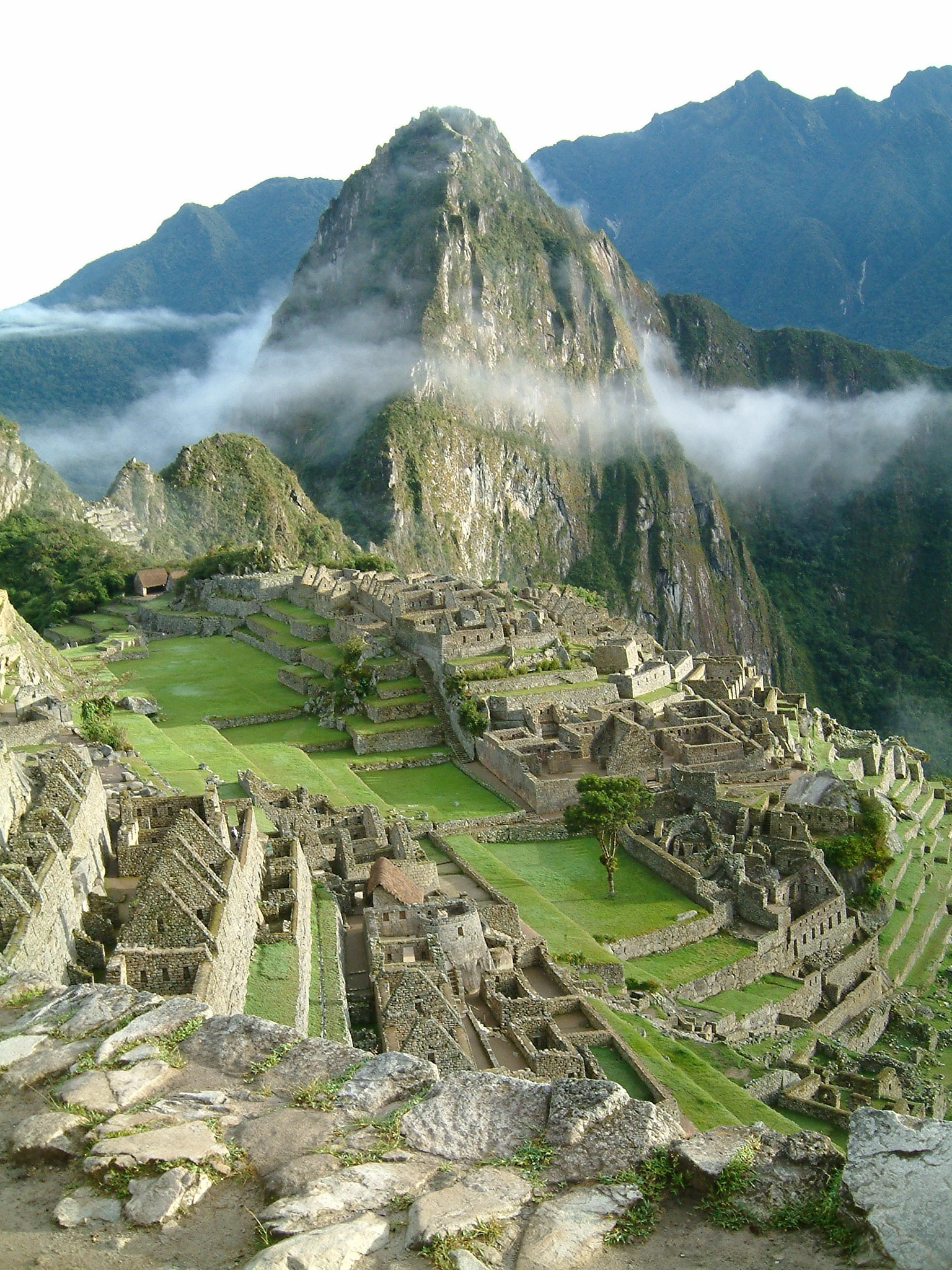
Peru’s caution is rooted in hard experience. UN humanitarian reporting on the 1997-1998 El Niño said the phenomenon hit 22 of Peru’s 24 departments, affected about 92,000 people and left 144 dead and 100 missing. A 2017 coastal El Niño study described that event as one of the country’s most severe disasters since 1997-1998, with more than 660,000 people affected and more than 100 deaths.
Those floods and landslides damaged bridges, roads, schools, housing and farmland, often overwhelming local response capacity. By moving now, before the worst rains arrive, Peru is testing whether those lessons have translated into faster protection for communities that sit closest to rivers, slopes and failing infrastructure.
Sources
- [1]usnews.com
- [2]diariocorreo.pe
- [3]andina.pe
- [4]unocha.org
- [5]link.springer.com
- [6]busquedas.elperuano.pe