Business
Pet insurance could ease vet bills as UK costs soar

Vet bills are rising fast enough to rattle household finances, and pet insurance is being pitched as the buffer. But the value is uneven: policies can cover surprise treatment, yet owners still face premiums, excesses and major gaps. The real question is not whether pet insurance sounds reassuring, but whether it beats building your own emergency fund.
Why the pressure on pet budgets is growing
Pet ownership is now a mainstream household expense in the United Kingdom, with government analysis saying more than half of UK households own a pet. That matters because the market for veterinary care is large and getting larger. The Office for National Statistics estimated spending on veterinary and other services for pets at about £6.3 billion in 2023, after growth of around 10% a year since 2013 and about 20% a year between 2020 and 2023.
The bill kept climbing. A later final decision report from the Department for Environment, Food & Rural Affairs said pet owners spent more than £6.7 billion on veterinary and other services in 2024, which works out at roughly £390 per pet-owning household. That same report said average vet prices rose 63% between 2016 and 2023, far faster than general inflation, and concluded the current system was not working well for pet owners, vets or animals. The Competition and Markets Authority had already said problems in the veterinary market could cost households up to £1 billion over five years, which helps explain why January 27, 2026 reforms were described as the biggest vet-sector overhaul in 60 years.
What pet insurance actually covers
MoneyHelper frames pet insurance as protection against unexpected costs, especially vet bills and medical expenses when a pet is injured or ill. In other words, it is designed to absorb shock, not to eliminate the ordinary cost of owning an animal. That distinction matters because the biggest financial pressure often comes from one unplanned treatment, not from predictable day-to-day care.
Comprehensive policies can stretch further than many owners expect, but they are still not all-purpose protection. MoneyHelper says they may also cover dental treatment, loss through theft and third-party liability. For a household trying to decide whether insurance is worth it, the key issue is whether those extras are relevant to the pet and to the risks the owner actually faces.
• Vet treatment and medical expenses when a pet is injured or ill • Dental costs • Theft • Third-party liability
Where the gaps still are
Pet insurance does not remove every cost from the budget, and that is where the household tradeoff becomes clear. Premiums continue year after year, policies can include excesses and exclusions, and not every claim is paid in full. Some owners buy insurance expecting it to erase uncertainty; in practice, it mainly changes when and how the money leaves the account.
MoneyHelper also warns that some policies are not good value for smaller mammals or exotic pets. That is an important reminder that insurance is not automatically the best answer for every animal. If the premiums are high relative to the likely claims, a self-funded emergency pot may be the better option.
Who gets the most value
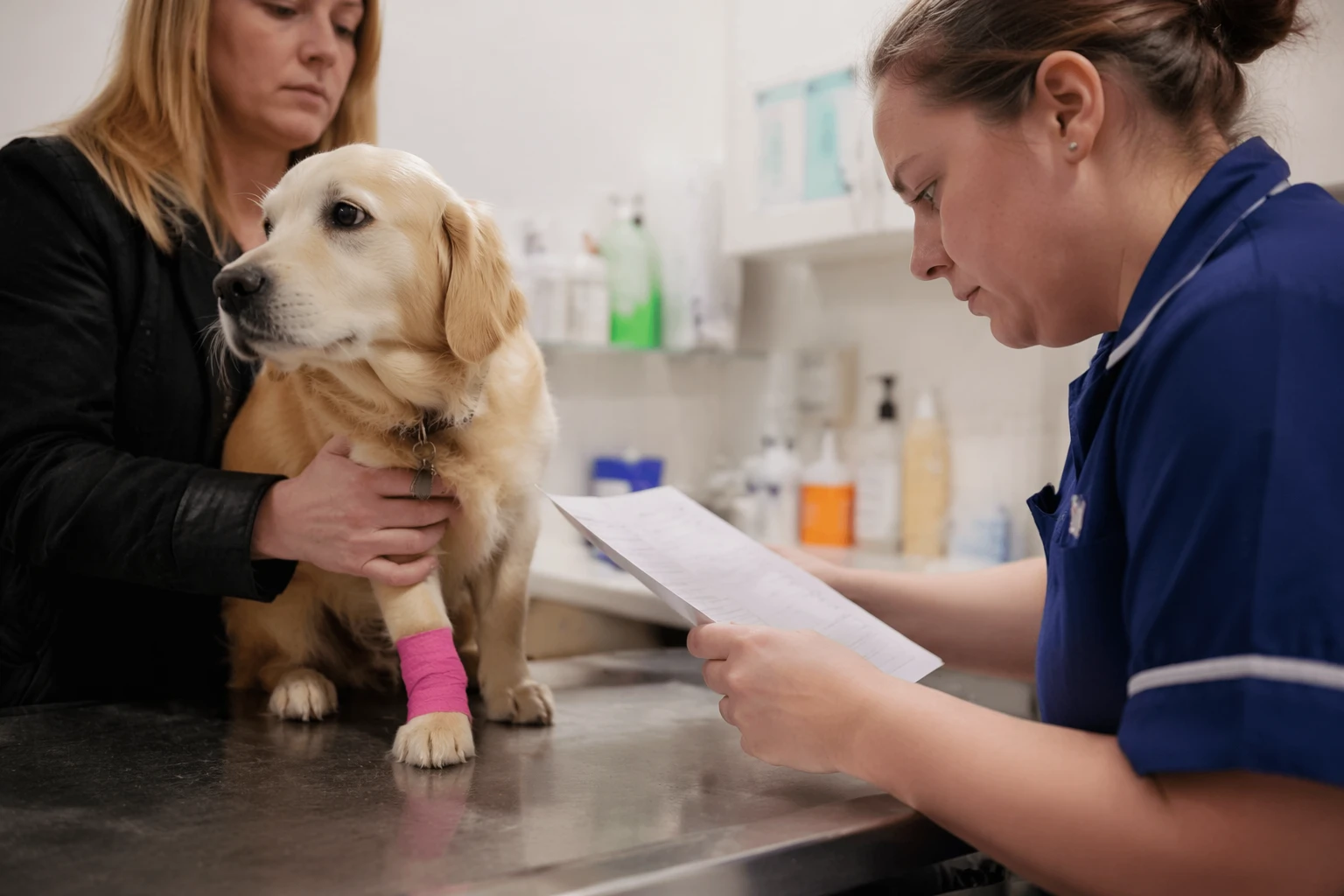
The strongest case for insurance is usually for owners who would struggle to absorb a large, sudden bill without dipping into savings or borrowing. MoneyHelper notes that vet fees can run into the hundreds or thousands of pounds, and that is exactly the kind of expense that can blow a hole in a monthly budget. If paying for treatment out of pocket would mean raiding an overdraft, insurance can function as a financial shock absorber.
The lifetime cost figures show why the calculation can feel so harsh. MoneyHelper says an average dog can cost around £21,000 over its lifetime, while some large pedigree breeds can reach about £33,000. It also cites Which? research putting the average annual cost of a lifetime dog policy at £472. Separately, its pet-cost guide says the average cost of owning a dog or cat has been estimated at between £16,000 and £33,000 over a lifetime.
Those numbers do not mean insurance is automatically a bargain. They do show that pet ownership already carries a large and ongoing financial commitment, and that one serious medical event can sit on top of that baseline. For households that would otherwise need to keep a sizable emergency fund idle, insurance can free up cash for other spending. For households with stronger savings, the better question is whether the premium is buying enough peace of mind to justify the cost.
How to test the policy against the budget
A sensible check starts with the pet itself. MoneyHelper says the decision depends on age, species and breed, which is another way of saying risk and price vary sharply from one animal to another. A policy that looks reasonable for one dog may be poor value for a cat, a smaller mammal or an exotic pet, especially if the likely claims are limited.
Before buying, the practical test is simple:
• Compare the premium against the emergency fund you could build yourself • Read the exclusions, excesses and claim limits closely • Check whether dental, theft and liability cover are included or charged separately • Ask whether the pet’s species, breed and age make the policy good value • Weigh the cost of the policy against the chance of a bill in the hundreds or thousands of pounds
That approach fits the policy debate now surrounding the veterinary market. The reforms announced in January 2026 were intended to help households understand what they are paying for and compare costs more easily. If they succeed, insurance will be easier to assess on its real merits rather than on vague promises of protection.
The bottom line
Pet insurance does not make pets cheap, and it does not erase the financial strain of rising veterinary prices. What it can do is flatten the shock of an unexpected bill and stop one illness or injury from forcing hard tradeoffs elsewhere in the household budget. For owners with limited savings, that can be decisive; for owners who can comfortably self-insure, the policy may simply be one more recurring cost in a market where every pound already matters.