Technology
Peter Diamandis backs AI surveillance, reignites privacy debate
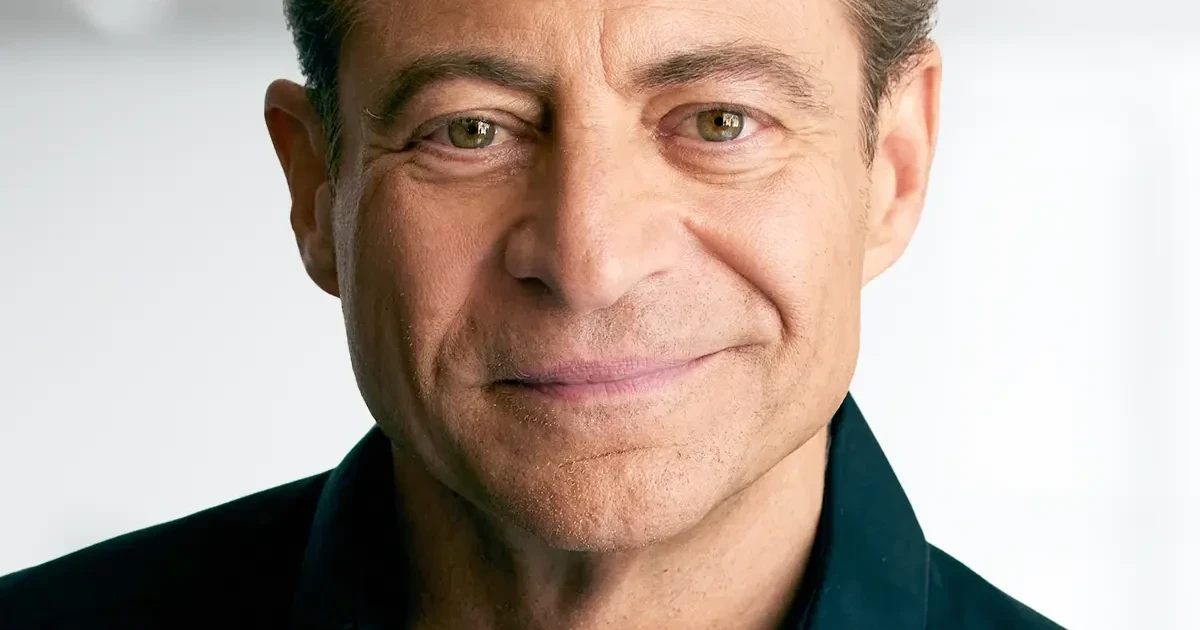
Peter Diamandis joined a growing Silicon Valley push for AI surveillance, arguing in a June 2026 post on X and in his Metatrends Substack that more monitoring can make the world better. The XPRIZE Foundation founder’s newsletter has hundreds of thousands of subscribers, giving the argument a wide audience at a moment when AI-enabled cameras and always-on systems are already reshaping the privacy debate.
Diamandis’s comments tracked closely with Larry Ellison’s remarks at Oracle’s Financial Analyst Meeting in September 2024, when the Oracle cofounder, chair and chief technology officer said AI-powered monitoring could keep people “on their best behavior.” Ellison sketched a future in which security cameras, police body cameras and vehicle dashcams feed into a connected real-time monitoring network. That is the logic now moving from one executive to another: visibility as a behavioral tool, and surveillance as a social good.
The research on being watched is more complicated than either pitch suggests. A 2025 University of Technology Sydney article summarizing published work said people often act differently when they believe someone is watching, becoming more generous and less likely to behave antisocially. But the same body of work also points to deeper effects, including changes in how the brain processes information and heightened sensitivity to other people’s gaze outside conscious awareness.
A 2024 study in Neurocase added a sharper warning. It found that being watched on CCTV changed conscious face detection, showing that surveillance can reach into basic perception, not just behavior. That matters because the proposal on offer is not a narrow safety measure. It is a broader normalization of constant monitoring in public and private life, with the data, access rights and retention rules left to the institutions that run the system. As Diamandis’s argument circulates alongside Ellison’s, the unanswered question is no longer whether cameras influence conduct, but how much of everyday life society is prepared to hand over to them.