World
Peter Magyar Becomes Hungary’s Prime Minister After Landslide Win
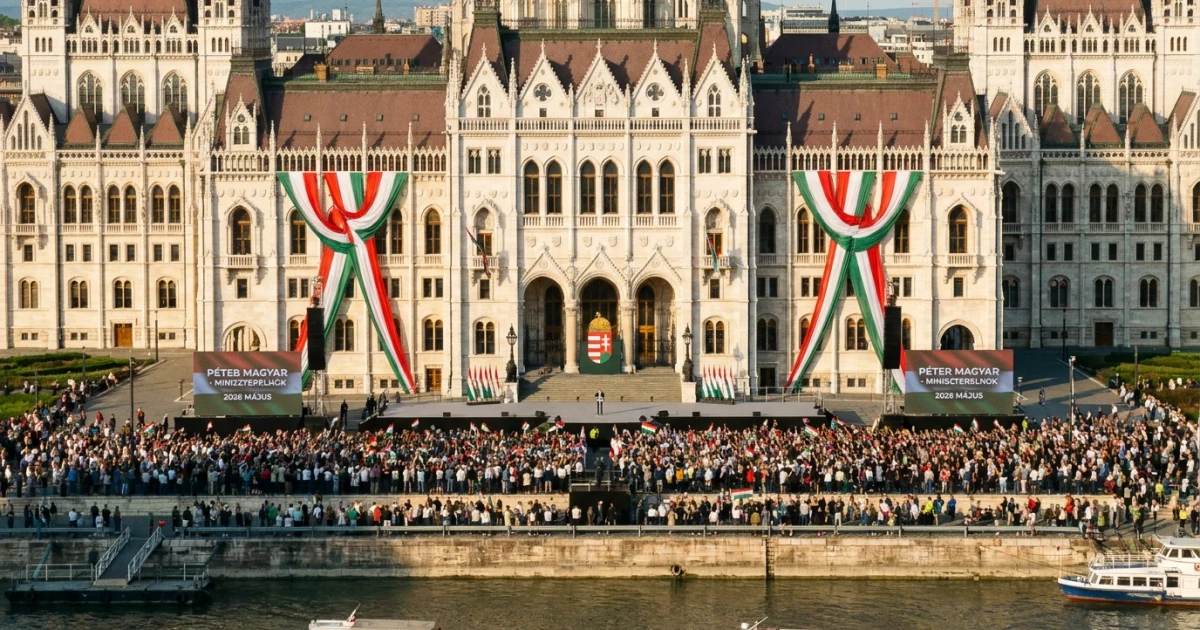
Peter Magyar has officially been sworn in as Hungary’s new prime minister, marking a significant shift in the nation’s political landscape after Viktor Orbán’s 16-year rule. The transition follows a landslide electoral victory, positioning Magyar at the head of government for the first time and ushering in what many observers are calling a new chapter for Hungarian politics.
Decisive Election Results End Orbán Era
The election, closely watched across Europe, resulted in a decisive defeat for Orbán’s Fidesz party, which has dominated Hungary’s political scene since 2010. Official election statistics confirm the scale of Magyar’s win, with his party securing a clear majority in the National Assembly. The result sent a strong signal of the electorate’s desire for change after years of increasingly centralized power under Orbán.
- Viktor Orbán served as prime minister for 16 years, making him one of Europe’s longest-serving leaders.
- Peter Magyar’s party won a majority of parliamentary seats, according to official results.
Political and Social Context
Orbán’s government, known for its nationalist and conservative stance, has faced criticism in recent years for curbing judicial independence and restricting press freedom. According to the Freedom House 2024 Country Report, Hungary’s democratic institutions have eroded, with the country receiving lower scores for political rights and civil liberties compared to a decade ago.
Peter Magyar campaigned on promises to restore institutional checks and balances, strengthen Hungary’s international relationships, and improve transparency in governance. Many Hungarians, analysts say, were swayed by his message of reform and desire for a new political direction.
Transition of Power and Next Steps
The official handover of power was completed in Budapest, with Magyar taking the oath of office as prescribed by Hungary’s 2011 Constitution. The ceremony was attended by members of the outgoing and incoming cabinets and observed closely by domestic and international media. Magyar’s immediate priorities are expected to include forming his cabinet, outlining key policy initiatives, and engaging with European Union partners.
Implications for Hungary and the Region
Analysts note that Magyar’s victory could have broader implications for Central and Eastern Europe, where several governments have trended toward illiberalism in recent years. Hungary’s new leadership will be under close scrutiny to see how quickly—and how far—it can deliver on promises of democratic reform.
For more on Hungary’s political and economic context, the OECD’s Hungary country reports and Central Statistical Office data provide insights into the challenges facing the incoming government, including economic growth, public trust in institutions, and international relations.
Looking Ahead
With Peter Magyar’s swearing-in, Hungary embarks on a period of political renewal. The coming months will be critical as the new government seeks to implement reforms and chart a new course for the country, both at home and within the European Union.