World
Pezeshkian visits Pakistan as Iran nuclear talks continue
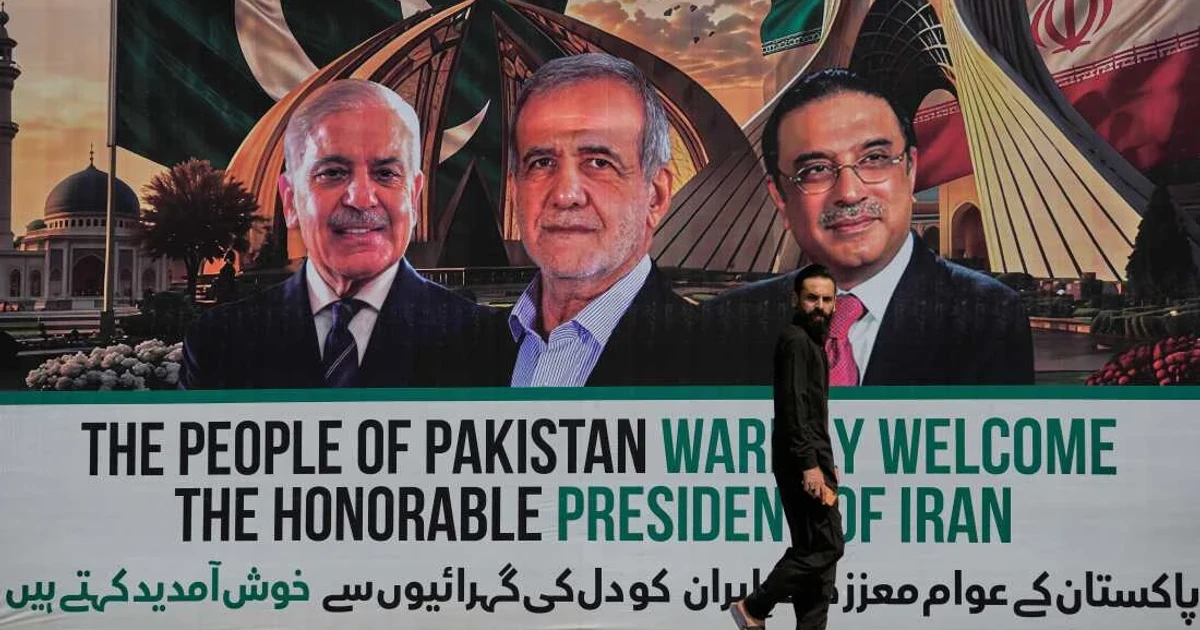
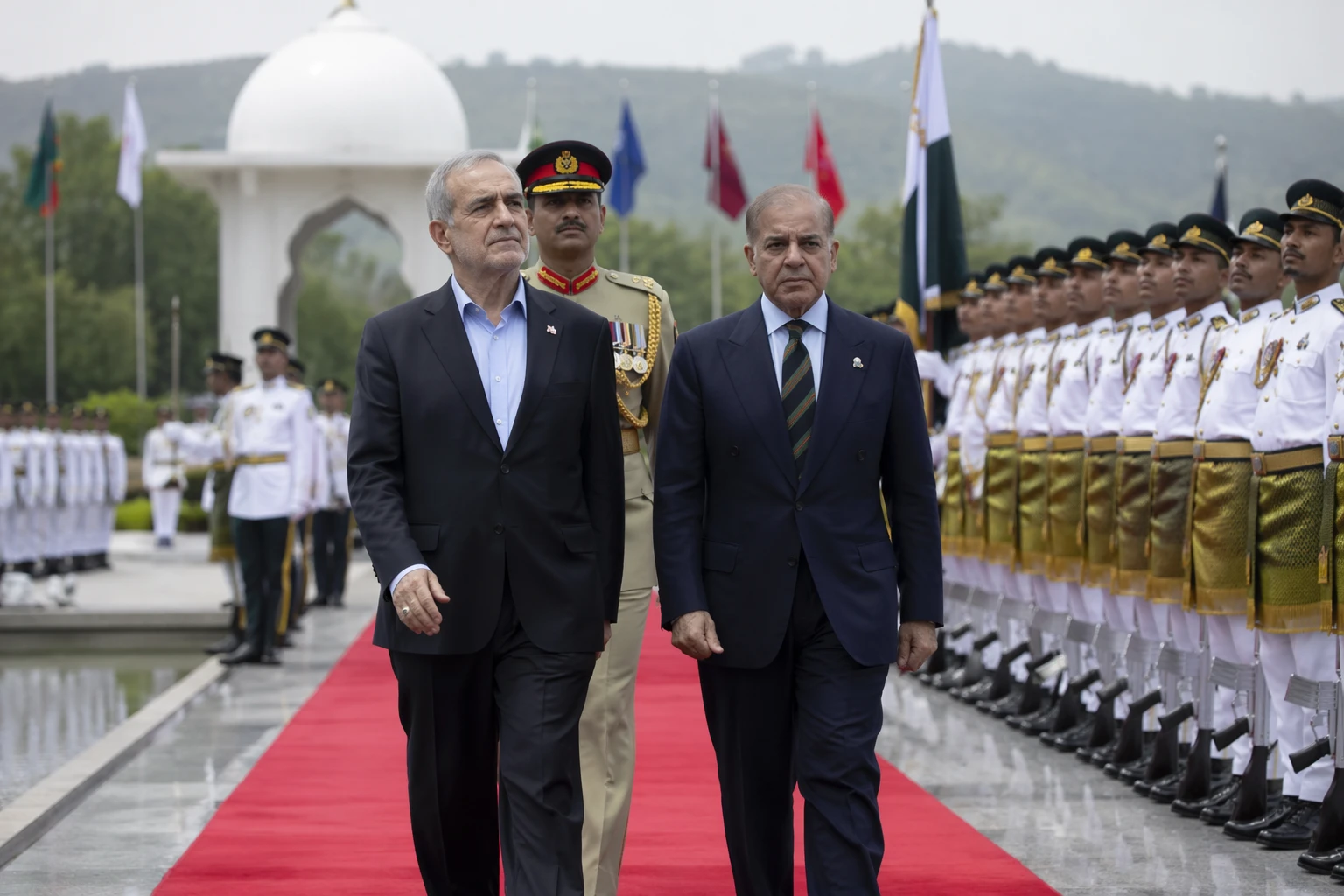
President Masoud Pezeshkian arrived in Islamabad with Iran still trying to lock in a war-ending deal with the United States, making Pakistan the most visible regional stop on Tehran’s diplomatic reset. The visit was his first foreign trip since the war began, and it came just after high-level talks in Switzerland led by U.S. Vice President JD Vance and Iran’s parliamentary speaker, Mohammad Bagher Qalibaf.
Pakistan’s Foreign Office said Pezeshkian was visiting at the invitation of Prime Minister Shehbaz Sharif and was traveling with a high-level delegation that included ministers and other senior officials. In Islamabad, he was scheduled to meet President Asif Ali Zardari and hold talks with Sharif, with both sides expected to focus on the Switzerland negotiations and on trade, energy, border security, people-to-people exchanges and regional connectivity.
The timing gave Pakistan an outsized diplomatic role. Reporting around the talks said Islamabad helped mediate the U.S.-Iran channel that fed into the Switzerland discussions, which produced the groundwork for a final deal. If that channel remains active, Pakistan could become one of the clearest tests of whether a ceasefire and broader settlement can survive the pressure that has undone so many previous openings.
Pezeshkian’s stop also built on a warming bilateral track that predates the current crisis. In August 2025, Iran and Pakistan signed 12 cooperation documents covering science and technology, transportation and transit, trade and economy, tourism and agriculture. Officials on both sides then said they wanted to lift bilateral commerce toward a $10 billion target, a number that underscored how much economic ballast each side wanted beside its security ties.
The relationship now carries extra weight because the diplomatic file is not only about weapons but also about verification. Iran said no visit was scheduled for inspectors from the International Atomic Energy Agency to inspect nuclear sites bombed by the United States, cutting against remarks from U.S. officials that suggested an inspection arrangement had already been reached. Iranian Foreign Ministry spokesman Esmail Baghaei said there was no current framework or program for such inspections.
That gap between what negotiators are discussing and what Tehran is willing to allow is why Islamabad matters. Pakistan’s ability to keep both Tehran and Washington engaged could help determine whether the Switzerland talks become a durable peace track or another temporary pause in a volatile regional standoff.
Sources
- [1]npr.org
- [2]apnews.com
- [3]dawn.com
- [4]aljazeera.com
- [5]en.irna.ir
- [6]newindianexpress.com