Business
Pfizer warns Germany price cuts may curb planned investments

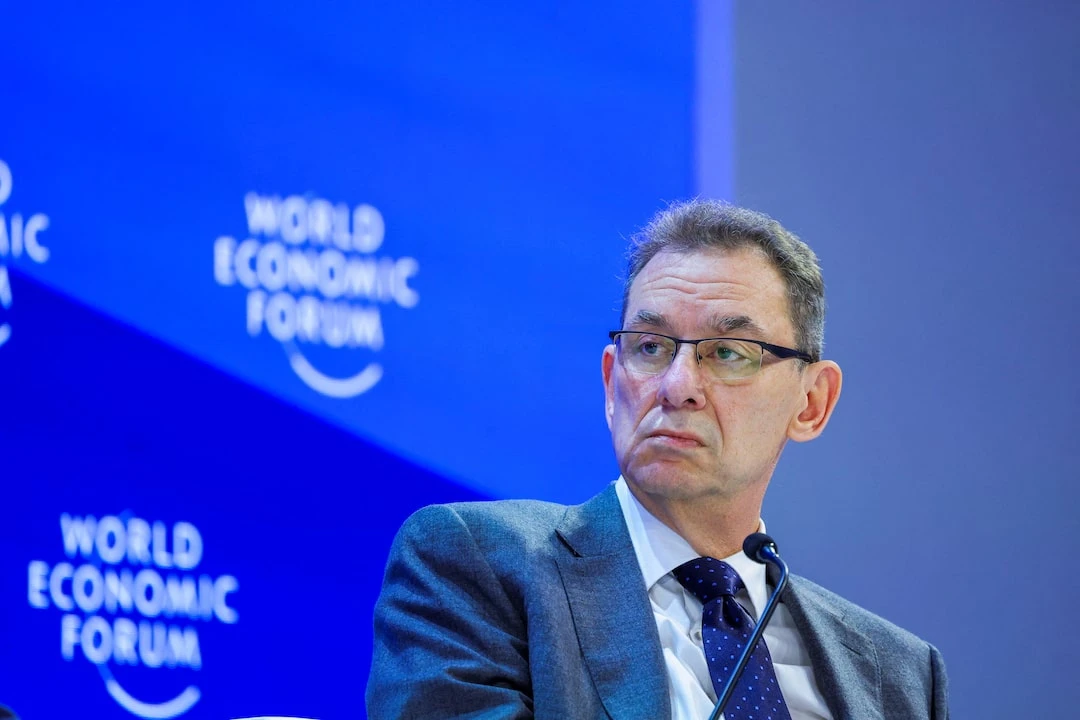
Pfizer has put Germany on notice: planned drug-price cuts may change how much, and how fast, the company invests in the country. Chief executive Albert Bourla told Chancellor Friedrich Merz that Pfizer was reviewing the timing and scope of its planned investments, a warning that lands as Berlin presses ahead with a cost-cutting package aimed at stabilizing statutory health-insurance contributions.
The dispute goes beyond one company’s balance sheet. Bourla said the proposals called into question the predictability pharmaceutical companies need for long-term investment decisions, a point that strikes at the heart of Germany’s bid to remain a magnet for high-value manufacturing, research and supply-chain expansion. Germany’s health ministry has framed the reform as part of the effort to steady contribution rates, but industry leaders see it as a direct challenge to capital planning.

Pfizer’s warning followed a string of sharper decisions from rivals. Eli Lilly said it would halve a planned $2.3 billion investment in Germany, while Boehringer Ingelheim scrapped a €900 million project, both citing the same policy environment. Roche, by contrast, said on June 9 that it would keep its German investment plans, underscoring that the response from drugmakers has not been uniform.
The legislation at the center of the fight, the GKV-Beitragssatzstabilisierungsgesetz, was adopted by the federal cabinet on April 29 and was due to reach the Bundestag for first reading on June 12. Industry briefings say the draft would tighten pricing rules and impose additional manufacturer discounts on drugmakers, with pharmaceutical savings estimated at about €1.9 billion in 2027. Other estimates put the package’s impact much higher, with almost €20 billion in total health-system savings in 2027 and more than €42 billion by 2030.
That scale of savings helps explain the government’s urgency. Germany’s health-care financing gap has been projected to swell to €40 billion by the end of the decade, putting pressure on Berlin to find relief fast. Yet the political cost of that strategy is becoming clearer: Pharma Deutschland has warned the draft could hurt supply, innovation and investment, while the AOK sickness-fund association said the burden on insured people, employers and patients was “massive and unbalanced.”
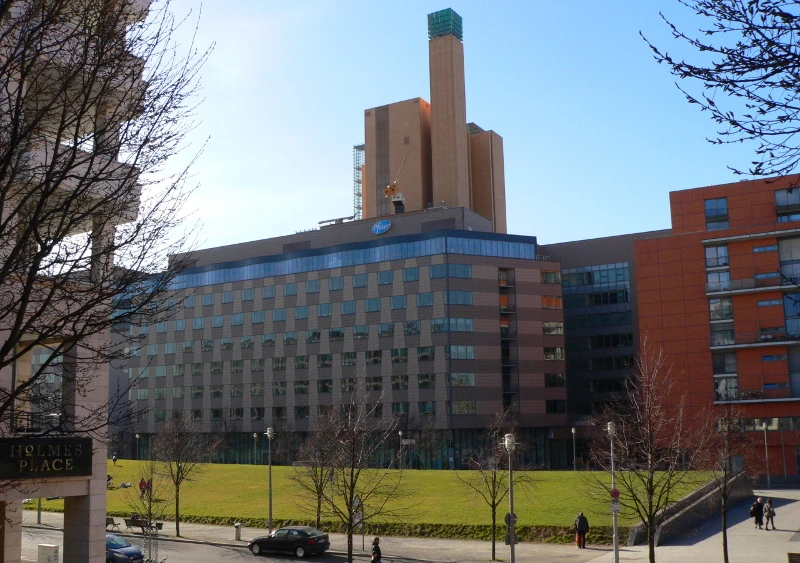
For Germany, the choice is now visible in corporate capital budgets. The country is trying to hold down medicine costs without making itself a less attractive place to build factories, hire researchers and anchor the next round of pharmaceutical investment.
Sources
- [1]ca.news.yahoo.com
- [2]aol.com
- [3]bundesgesundheitsministerium.de
- [4]bundestag.de
- [5]globalpolicywatch.com
- [6]bloomberg.com
- [7]msn.com
- [8]pharmadeutschland.de
- [9]aok.de