Entertainment
Philip Glass Withdraws World Premiere from Kennedy Center: A Cultural Flashpoint
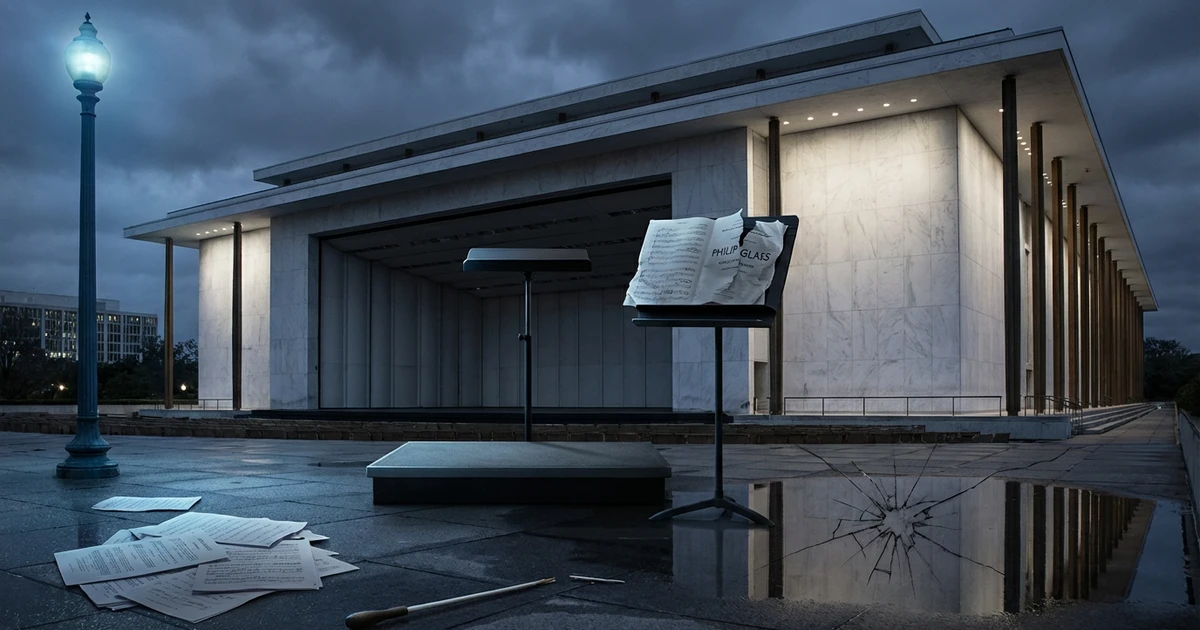
Philip Glass, one of the most celebrated composers in contemporary classical music, has withdrawn his highly anticipated world premiere from the Kennedy Center. The move marks a significant moment in the cultural landscape and raises questions about artistic decisions and institutional relationships.
Philip Glass's Decision: A Sudden Change
The news of Glass's withdrawal was confirmed on January 27, 2026. While the specific reasons behind his decision have not been fully detailed in available reports, the announcement immediately sent ripples through the arts community. Glass, known for his influential minimalist compositions and groundbreaking works in opera, film, and symphonic music, was expected to debut a new piece at the Kennedy Center, one of America's flagship cultural institutions.
Impact on the Kennedy Center and Its Symphony
The withdrawal represents a notable loss for the Kennedy Center, which has long served as a stage for world premieres by prominent composers. The Center’s symphony has vowed to continue its season despite the cancellation, signaling resilience and a commitment to its audience and artistic mission.
- The world premiere was set to be a centerpiece of the season, drawing significant attention from critics and classical music fans alike.
- The Kennedy Center has a history of hosting major debuts and fostering collaborations with leading artists.
- The symphony’s determination to “play on” underlines a broader theme of perseverance in the face of unexpected artistic changes.
Glass's Legacy and the Importance of Premieres
Philip Glass is recognized for his influential role in shaping modern music. World premieres of his works are typically major events, attracting wide audiences and media coverage. The withdrawal from such a prestigious venue underscores the significance of artist-institution relationships in the classical world.
While Glass’s new work will no longer debut at the Kennedy Center as planned, anticipation remains high for when and where the piece will eventually premiere. The decision also prompts reflection on the importance of creative autonomy and the evolving dynamics between artists and institutions.
What’s Next for the Kennedy Center and Philip Glass?
The Kennedy Center is expected to adjust its programming to fill the void left by the cancellation. For audiences, the change is disappointing, but the symphony’s commitment to continue highlights the enduring power of live performance and community engagement.
As for Philip Glass, his next steps and the future home for his world premiere remain subjects of speculation and keen interest within the music world. The Pulitzer Prize-nominated composer’s choices continue to shape conversations about artistic integrity and the responsibilities of both creators and presenters.
Conclusion: A Defining Cultural Moment
The withdrawal of Philip Glass’s world premiere from the Kennedy Center is more than a scheduling change—it is a testament to the complexities of the modern arts ecosystem. Both the composer and the institution now find themselves at a crossroads, with audiences and critics alike watching to see what comes next.