Business
Philippines cuts 2026 growth outlook as energy crisis bites
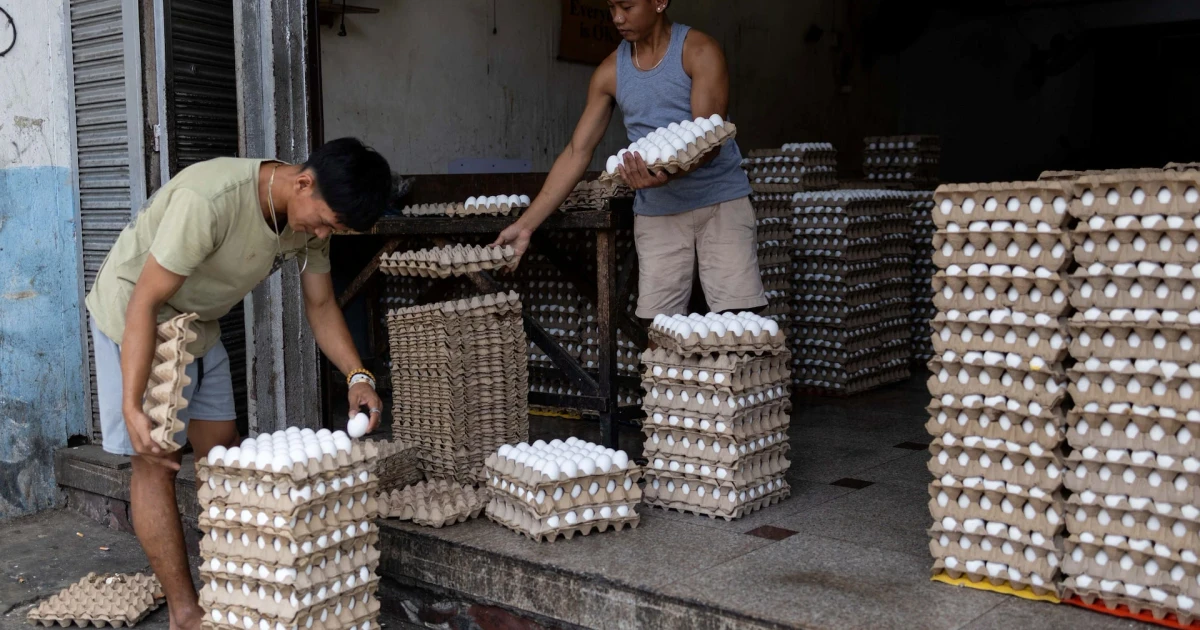
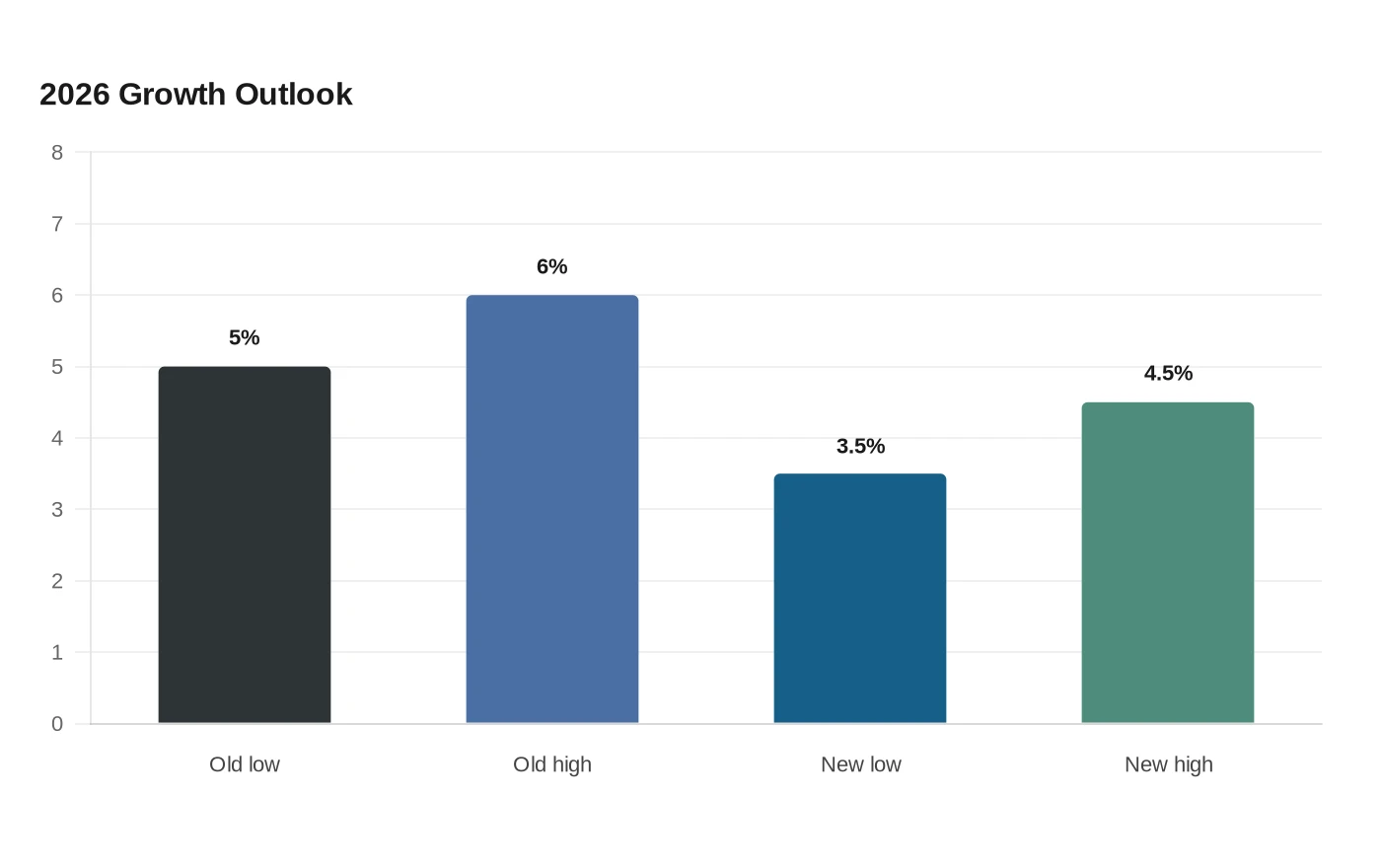
The Philippines trimmed its 2026 growth target to 3.5% to 4.5% as corruption allegations tied to flood-control projects and higher global oil prices hit spending and investment, a downgrade that signaled a deeper squeeze on one of Southeast Asia’s biggest economies. Economic Planning Secretary Arsenio Balisacan said the revised range was well below the earlier official forecast of 5.0% to 6.0% and reflected weaker government outlays as well as the pressure from energy costs.
The revision came after a weak start to the year. Philippine gross domestic product grew only 2.8% in the first quarter from a year earlier, far short of market expectations, while inflation remained stubbornly high even after some easing. The Philippine Statistics Authority said May inflation slowed to 6.8% from 7.2% in April as fuel, food and energy-related utility price increases cooled, but the reading was still far above the Bangko Sentral ng Pilipinas target of 3.0%.
The central bank has been responding with tighter policy. The BSP raised its benchmark rate by 25 basis points to 4.75% in May, its latest move in an effort to stop inflation from becoming entrenched. That leaves policymakers trying to defend price stability without choking off growth further, especially with borrowing costs already higher and household budgets strained by expensive power and fuel.
Balisacan said a government inter-agency panel responsible for medium-term fiscal and economic goals had met recently to review the targets, and that updated numbers would be released within the week. The Development Budget Coordination Committee had already reviewed the government’s medium-term macroeconomic assumptions and fiscal program for FY 2025 to 2028 on June 26, 2025.
The broader damage from the flood-control scandal has gone beyond politics. Reporting on the controversy has said government flood-control spending was paralyzed through 2026, with more than 2,000 ongoing flood infrastructure projects facing tighter scrutiny. An estimate cited by the OECD put annual corruption losses in flood-control spending at between 42 billion and 118 billion, or about $700 million to $2 billion.
For President Ferdinand Marcos Jr.’s economic team, the challenge is now twofold: restore confidence in public spending while managing the inflation shock from the Middle East conflict and the drag from higher oil prices. The downgrade suggested that until spending resumes and price pressures ease further, the economy may stay below the government’s ambitions for longer than officials had hoped.
Sources
- [1]channelnewsasia.com
- [2]manilatimes.net
- [3]mb.com.ph
- [4]bangkokpost.com
- [5]pia.gov.ph
- [6]abs-cbn.com
- [7]dbm.gov.ph