Business
Philippines raises $2.5 billion in dollar bonds as demand holds strong

Strong demand lifted the Philippines’ latest dollar bond sale from an initial $2 billion target to $2.5 billion, with investors taking up a three-part issue that the government priced tighter than its opening guidance. The deal combined $550 million in 5.5-year bonds, $1.65 billion in 10-year notes and a $300 million increase to an existing 2051 bond, a structure that gave Manila a mix of near- and long-dated funding while locking in capital in a volatile market.
The pricing showed where appetite was strongest. The 5.5-year tranche came at 55 basis points over U.S. Treasuries, the 10-year notes at 92.5 basis points over Treasuries, and the tap on the 2051 bond was launched at a yield of 5.85%. Those levels point to investors still willing to take sovereign exposure in emerging markets, but only with enough yield to compensate for a rate backdrop that remains uncertain and a dollar that can still tighten financial conditions for borrowers over time.
For Manila, the tradeoff is immediate funding flexibility versus longer-term repayment risk. The government plans to use the proceeds for general budget financing, extending a pattern of external borrowing that supports spending needs now but leaves the Philippines more exposed later if U.S. rates stay elevated or the dollar strengthens again. The Bureau of the Treasury said on June 16 that the issuance completed the country’s external borrowing program for 2026, underscoring how central offshore borrowing remains to fiscal management.
The Philippines also leaned on a broad bank syndicate that included BNP Paribas, Citigroup, HSBC, JPMorgan, MUFG and Standard Chartered, signaling that major global lenders still see the country as a credible sovereign borrower. The government’s release said the sale drew strong interest from high-quality investors, while the final size reflected demand that was strong enough to absorb an upsizing from the original target.
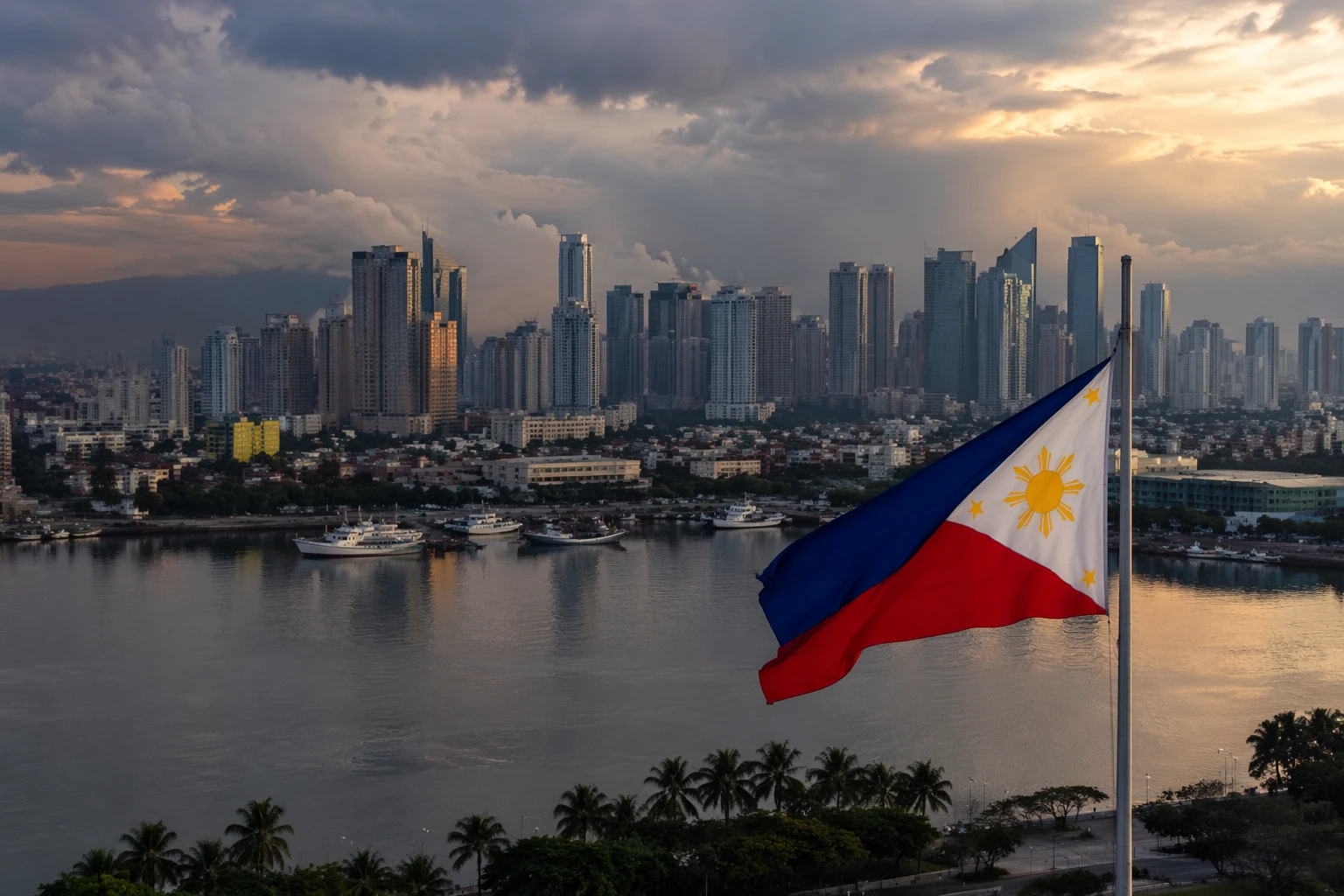
The latest deal was the Philippines’ second international bond sale of 2026 and came after a larger $2.75 billion offering in January, which the Department of Finance called the country’s biggest U.S. dollar deal in more than three years. That January sale priced its 5.5-year, 10-year and 25-year bonds at T+50 basis points, T+80 basis points and 5.750%, respectively, and also went toward budgetary support. Together, the two transactions show Manila has kept regular access to offshore markets rather than turning to them in distress.
The broader regional setting has also helped. Southeast Asian borrowers have remained active in dollar markets, including Danantara Investment Management’s $1.5 billion debut bond, reinforcing the view that investors are still open to the region when execution is clear and the credit story is familiar. For the Philippines, that leaves a useful window open, but one that could narrow quickly if global rates or risk sentiment turn less forgiving.