Health
Philippines reports H5N1 bird flu outbreak in Oriental Mindoro
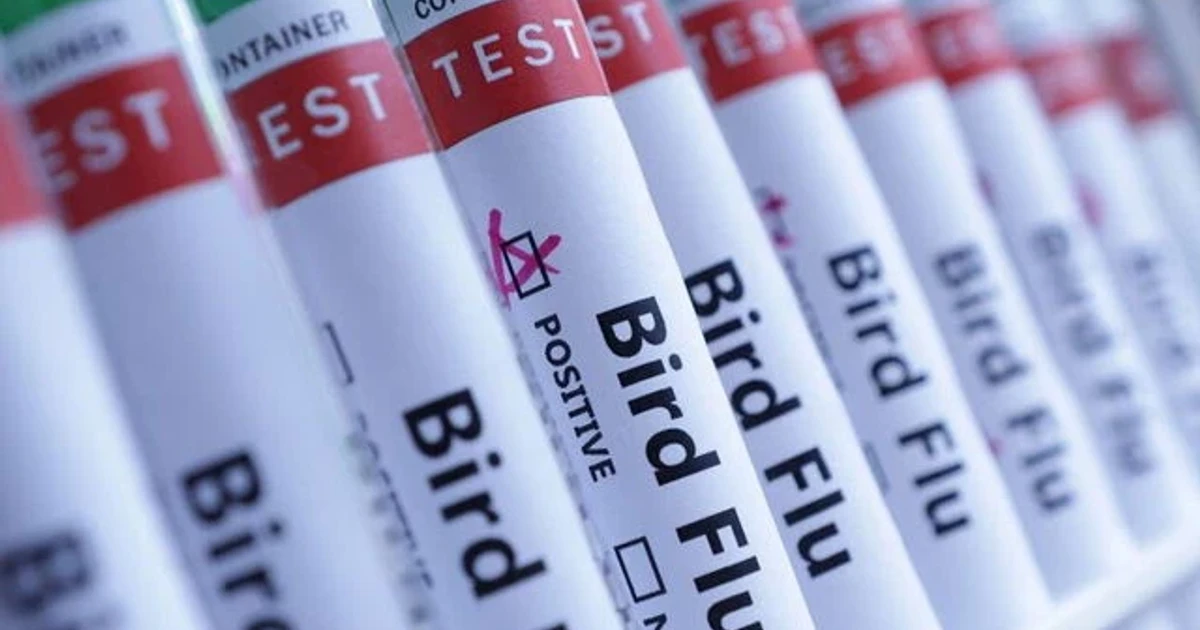
The World Organisation for Animal Health reported a highly pathogenic H5N1 outbreak in backyard birds in Oriental Mindoro on July 10, after the virus was detected in 39 poultry in Capalan and all of the birds were culled as a precaution. No human illness was reported, but the case added another data point to a virus that continues to move through poultry populations and force costly containment measures.
The outbreak matters well beyond one village because backyard flocks sit at the intersection of household food supply, local income and disease surveillance. Oriental Mindoro, part of Mimaropa, had a population of 908,339 in the 2020 census and includes one city and 14 municipalities, with Calapan City as the capital. In places where small-scale poultry raising is common, animal-health monitoring is often harder to sustain than in commercial operations, and even a limited case can trigger culling, testing and movement concerns that ripple through nearby markets.
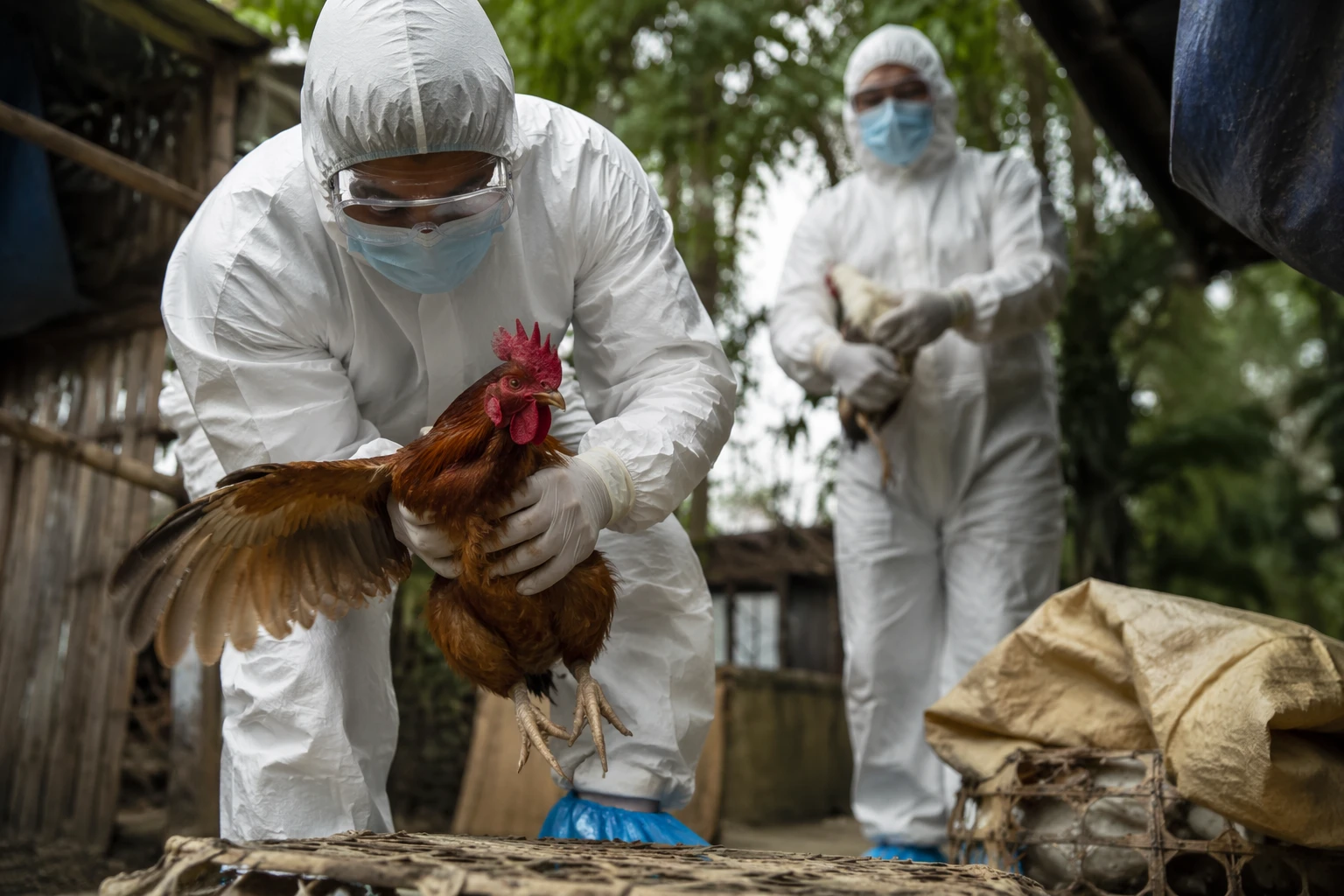
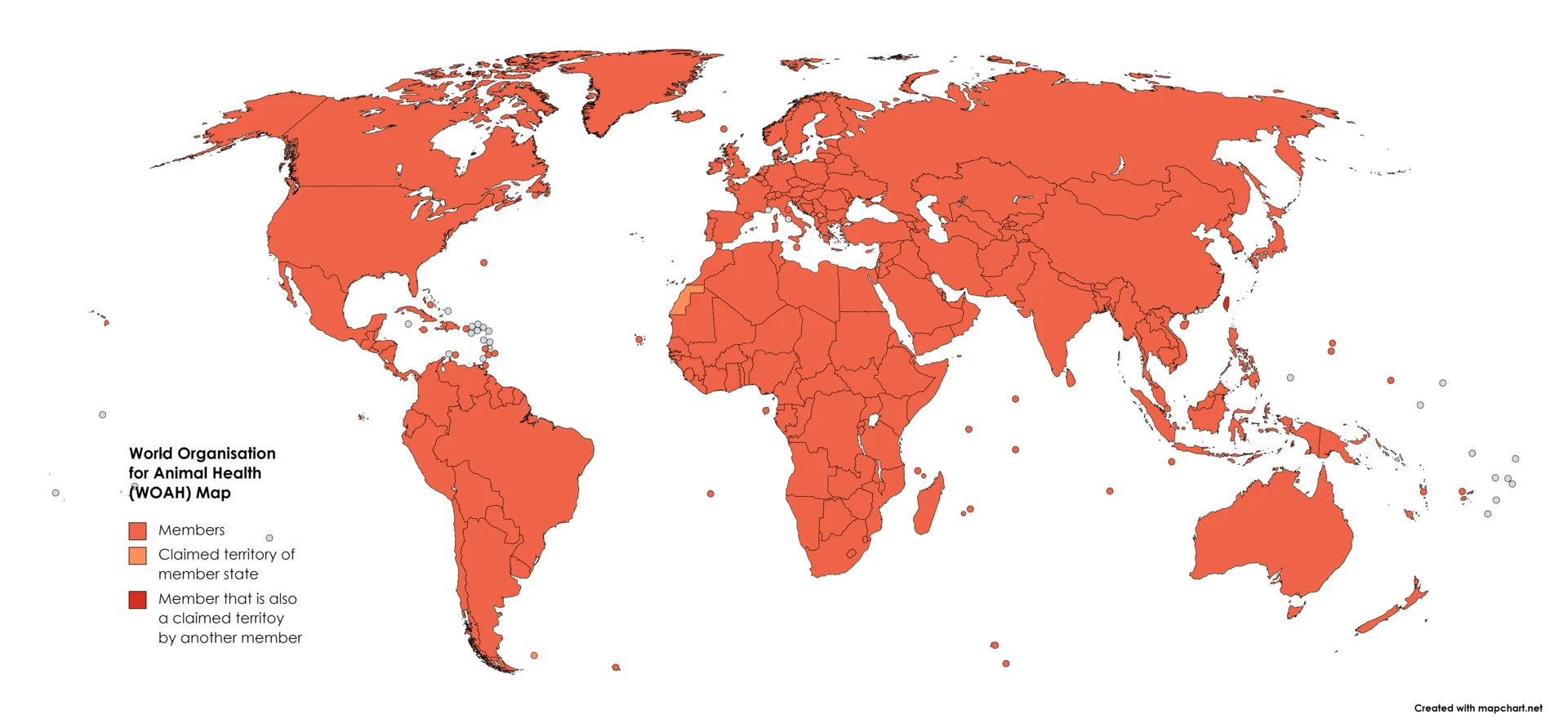
WOAH has warned that avian influenza has devastating effects on the poultry industry, and its joint assessments with FAO and WHO in 2025 and 2026 said the global public health risk from influenza A(H5) remained low overall. The same assessments said the risk for occupationally or frequently exposed people, including backyard poultry keepers, can range from low to moderate depending on local mitigation and hygiene. That uneven risk profile helps explain why officials treat a small provincial outbreak as both an animal-health event and a broader preparedness test.
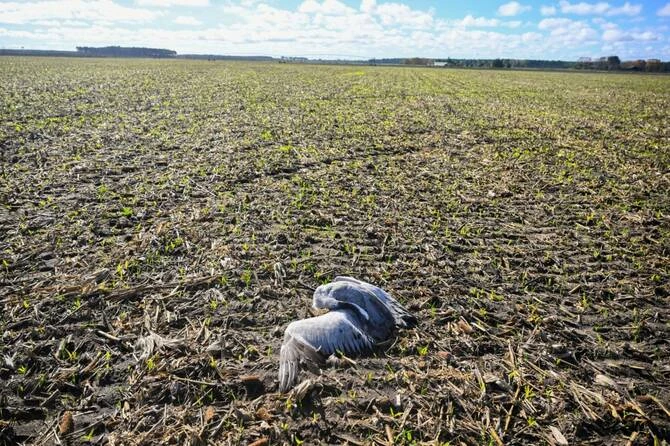
The Philippines has been trying to strengthen that response. The Department of Agriculture issued Memorandum Circular No. 32 on July 9, 2026, declaring Cotabato province avian influenza-free, even as authorities dealt with the Oriental Mindoro case. Rappler also reported that the Calapan case was already considered closed under Bureau of Animal Industry monitoring cited by the Department of Agriculture, suggesting the immediate response was swift.
Officials are also leaning on vaccination. In August 2025, the Food and Drug Administration approved the country’s first commercial avian influenza vaccine, which the Department of Agriculture described as a boost to poultry-sector planning and food security. For producers, traders and rural households, the Oriental Mindoro outbreak showed how quickly a backyard case can become a question of supply stability, regional movement and the next line of defense against a virus that remains hard to contain.
Sources
- [1]usnews.com
- [2]rappler.com
- [3]da.gov.ph
- [4]woah.org
- [5]ph.rappler.com