Science
Phoenix hit by two extreme haboob dust storms in one week
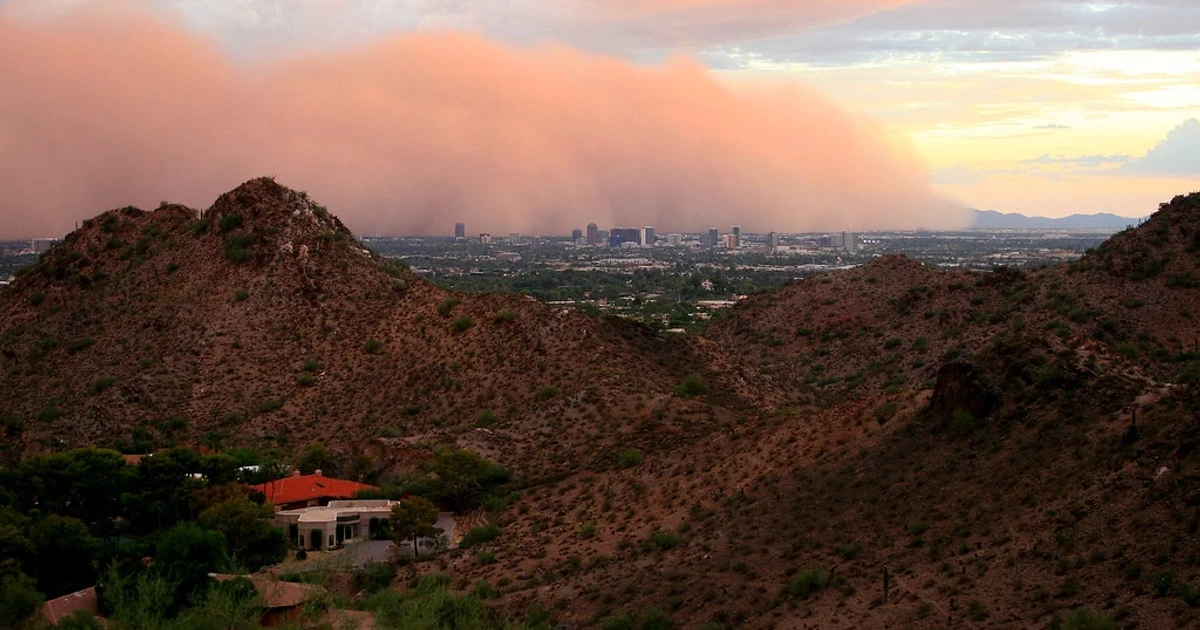
Two extreme haboob dust storms swept Phoenix in the same week, with the first striking Monday, Aug. 3, and scientists describing both as among the most intense to hit the region in years. The walls of dust turned daylight to near-darkness in minutes, putting drivers, airport operations and people with asthma or other respiratory illnesses at immediate risk.
The storms came during Arizona’s monsoon season, when thunderstorm outflows can loft huge amounts of desert dust into the air and push it across highways, neighborhoods and airports. In practical terms, that means visibility can collapse before warnings catch up, forcing emergency alerts, traffic slowdowns and flight disruptions while residents are told to get indoors and stay there until the dust passes. The National Weather Service in Phoenix treats dust storms and haboobs as safety hazards because they can reduce visibility and create dangerous travel conditions.
Phoenix’s repeated exposure to these storms has become part of the region’s summer reality. A Phoenix Dust Storm Scale, introduced this year and ranked from Category 1 to 5, reflects how serious forecasters consider the threat. The need for a scale also points to the warning problem dust storms create: the hazard can arrive as a moving wall with little advance notice, leaving commuters on metro highways and people headed to the airport with only seconds to react.
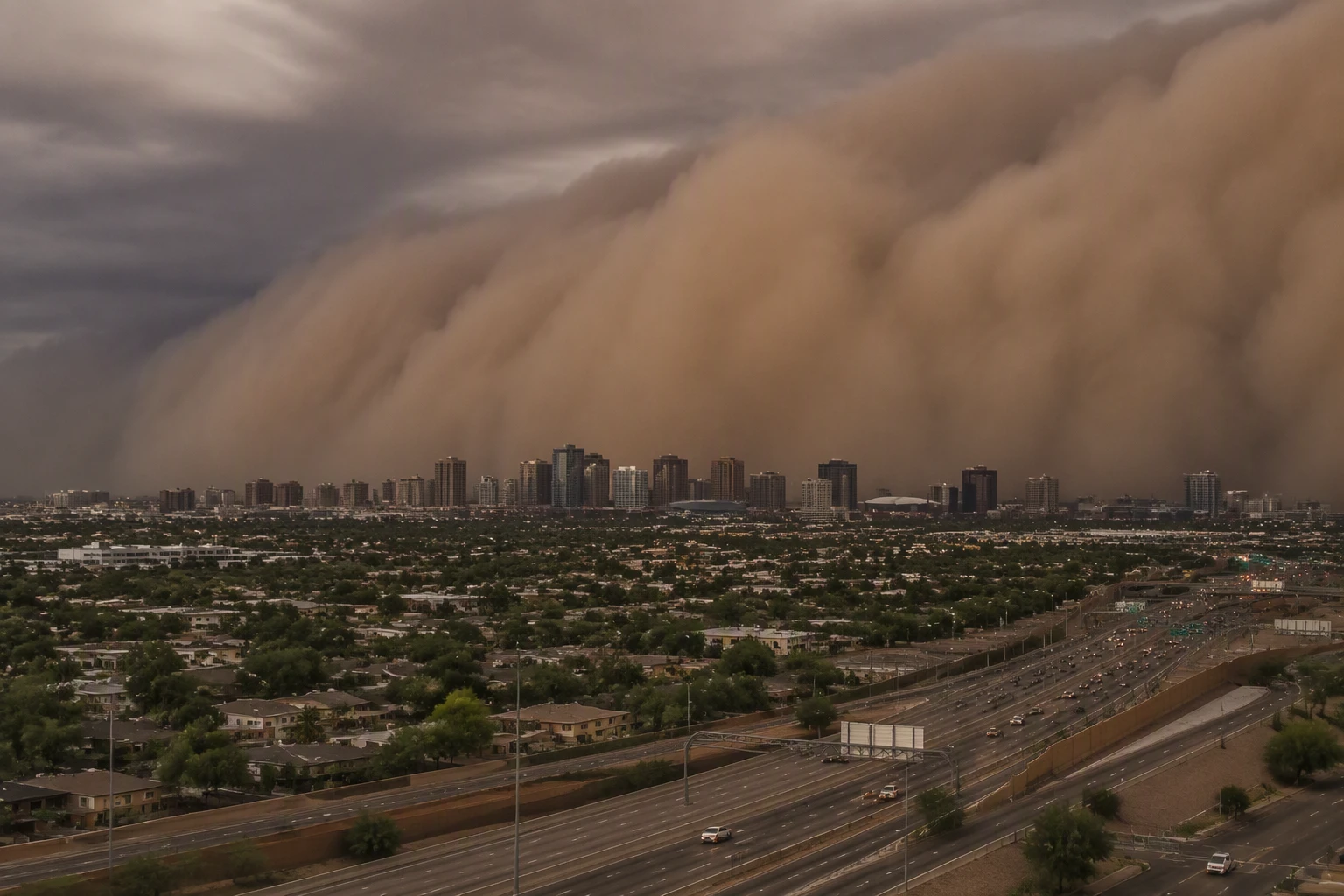
The recent storms fit into a longer pattern in the Phoenix metro area. National Weather Service Phoenix event summaries include a dust storm and damaging winds on Aug. 18, 2011; morning and evening dust storms and damaging winds on Aug. 11, 2015; Phoenix metro severe thunderstorms and a dust storm on Aug. 22, 2024; and a dust storm with flash flooding on Aug. 25, 2025. For a fast-growing desert metro where freight traffic, airport traffic and suburban expansion all meet open ground, the storms have become a recurring public-safety issue, not a one-off burst of bad weather.
The Southwest’s mix of dry ground, strong winds and summer thunderstorm activity makes the region especially vulnerable to dust events, and Phoenix is seeing that vulnerability play out in real time. As heat, drought and land use continue to shape the metro area, the stakes extend beyond dramatic skies to the basic safety of getting across town when visibility can vanish in minutes.
Sources
- [1]apnews.com
- [2]fox10phoenix.com
- [3]azcentral.com
- [4]weather.gov
- [5]journals.ametsoc.org