US News
Phone self-erasure at border search triggers federal felony case
Federal prosecutors charged Atlanta resident Samuel Tunick with obstruction after his smartphone wiped itself during a customs search at Hartsfield-Jackson Airport.
Tunick, a U.S. citizen, was pulled into secondary inspection on Jan. 24, 2025, after returning from a vacation, and the felony charge came eleven months later. On July 28, officers with U.S. Customs and Border Protection and the FBI denied him a lawyer four times, then entered a duress PIN that wiped the phone.
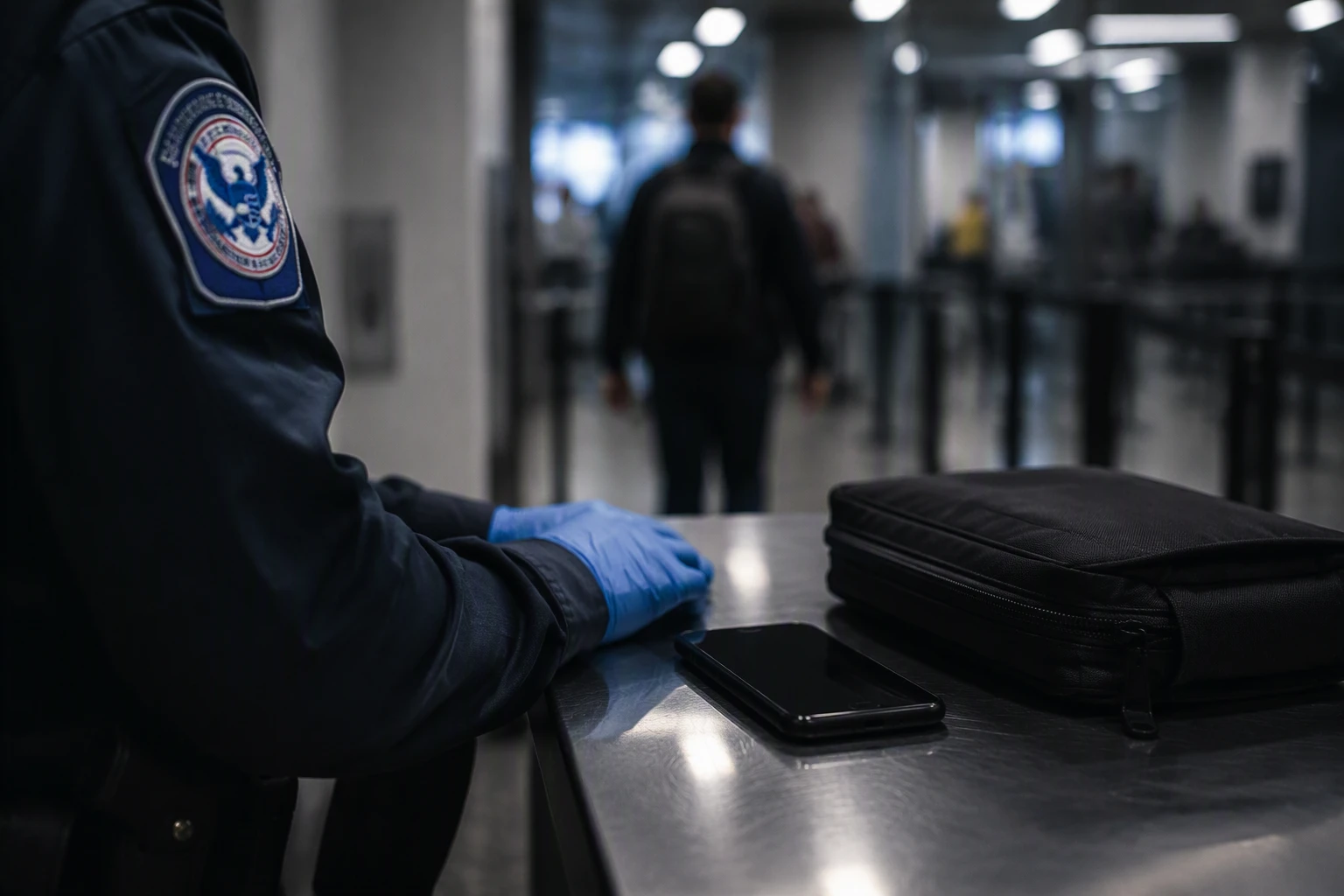
CBP has authority to search electronic devices at ports of entry. Riley v. California, the 2014 Supreme Court decision, required warrants for police to search phones incident to arrest and is often cited in cellphone-search debates. The American Civil Liberties Union has argued since 2017 that the government has claimed warrantless searches do not apply at the border, and an American Constitution Society issue brief by Sophia Cope in 2019 said DHS has asserted broad authority to search electronic devices without warrants or suspicion.
Prosecutors accused Tunick of destroying evidence by using GrapheneOS to erase the contents of his device, while his defense said the case was retaliatory and tied to his opposition to construction of a police training center in Georgia. The matter is United States v. Tunick, 1:25-cr-00499, and a document labeled Samuel Tunick indictment is in DocumentCloud.
An Immigration Policy Tracking Project summary of CBC News coverage put CBP searches of electronic devices up 12.6 percent over the previous year, searches of U.S. citizens’ devices nearly 22 percent, and total travelers entering the United States 6.6 percent.
Sources
- [1]nytimes.com
- [2]newsweek.com
- [3]techcrunch.com
- [4]english.elpais.com
- [5]youtube.com
- [6]courtlistener.com
- [7]documentcloud.org
- [8]aclu.org
- [9]acslaw.org
- [10]cbp.gov
- [11]immpolicytracking.org
- [12]eff.org