Technology
Phosgo touts world’s first AI solar e-bike, reviewers urge caution

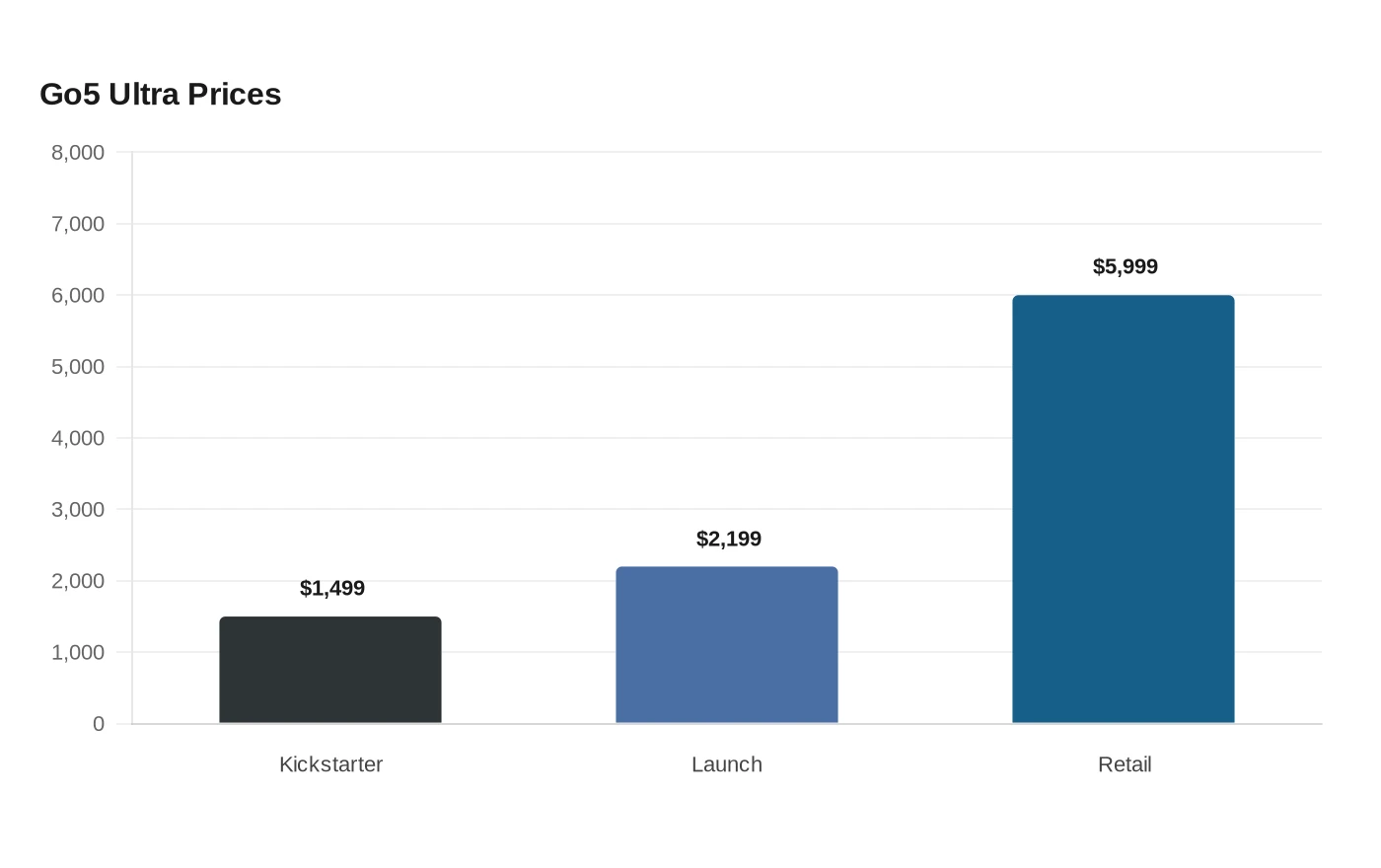
Phosgo is asking early backers to reserve its Go5 Ultra solar e-bike from $1,499 on Kickstarter in late July, while listing a launch price of $2,199 against a claimed $5,999 retail price. The Chinese brand is pitching the bike as the “world’s first AI solar e-bike” and says it will “eliminate range anxiety,” but the sales pitch is built around promises that need hard real-world proof.
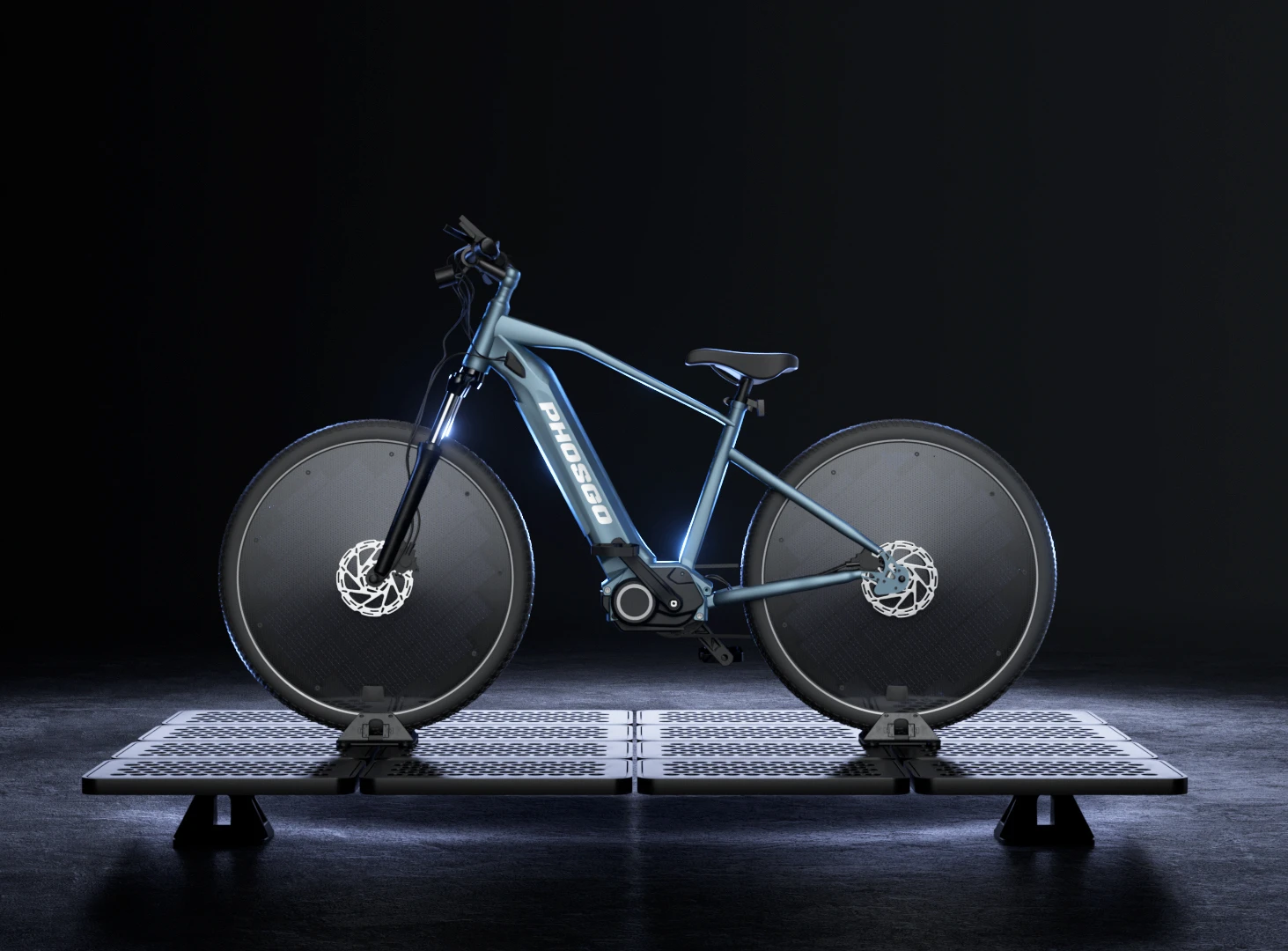
Phosgo says the Go5 uses 200W of high-efficiency solar cells built directly into the wheels, feeding the motor while the bike is moving and recharging the battery when it is parked. Other reported specifications are eye-catching too, including a claimed 120-mile daily range, a weight of about 81 pounds, a Bafang 750W mid-drive motor, 150 Nm of torque, 910W peak power and a top speed of 28 mph. That package raises the questions that matter most to buyers: how much charge the solar cells actually add in ordinary weather, how quickly the battery will age under daily use, and how expensive a wheel-integrated repair will be if the solar hardware is damaged.
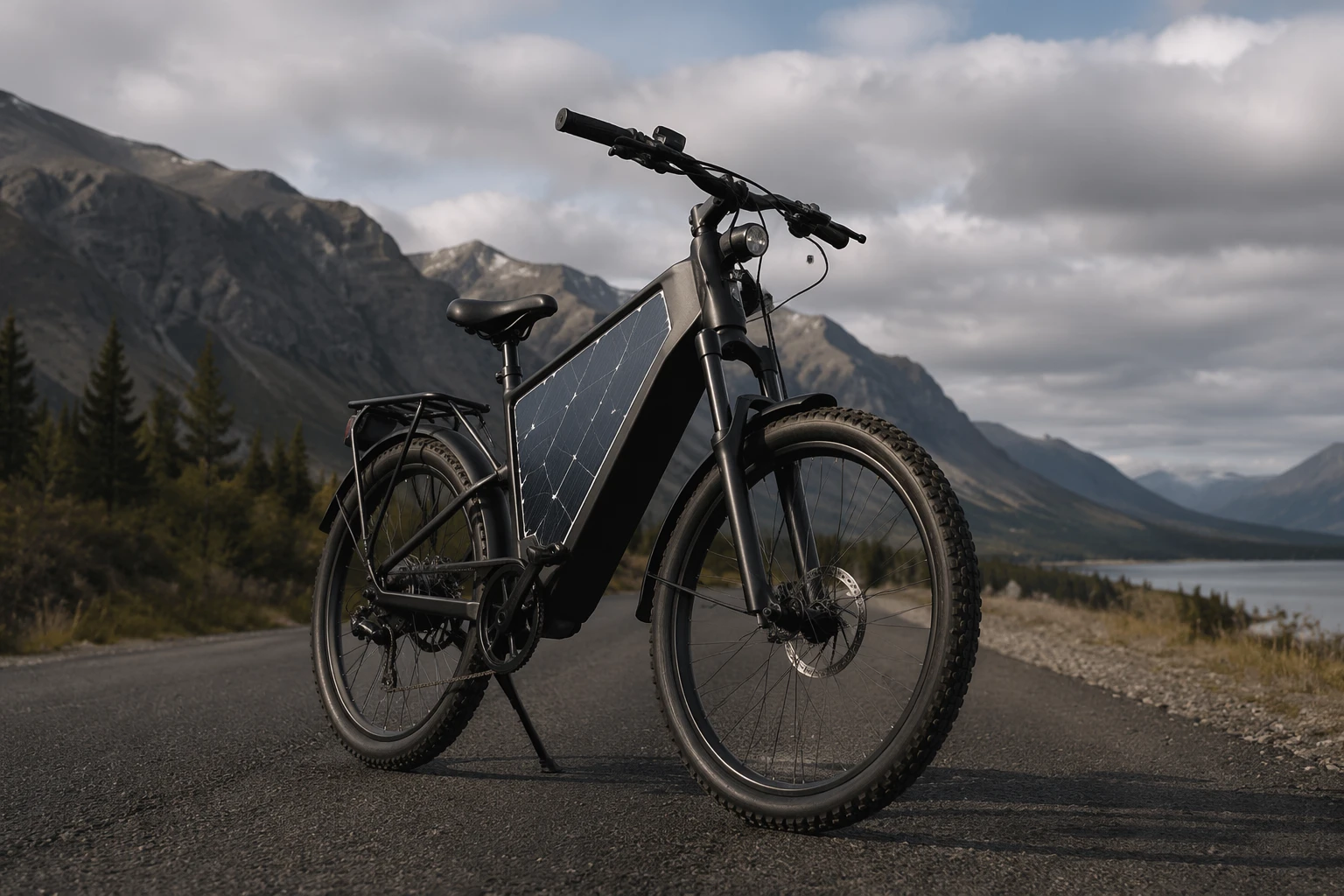
The skepticism is not about whether solar charging is possible. It is about whether a two-wheeled commuter bike can capture enough energy to justify the added cost and complexity. Solar-powered e-bikes have been studied for years, and a 2024 review in Energies found the concept has a long research history. A University of California, Davis and Caltrans white paper on solar bike infrastructure also notes that real-world solar transportation faces environmental, economic and technical challenges, which is why panel size, battery setup and intended use case matter so much.
There is some practical precedent, but it comes from a very different format. IKEA piloted a solar-powered cargo bike in Delft, the Netherlands, in 2022 and later expanded the option after calling the trial a success. Coverage of the SunRider delivery bike said it could cover about 65% to 70% of daily charging needs on average and up to 100% on sunny days. That kind of performance is easier to imagine on a cargo bike with a larger surface area than on a compact commuter model.
For now, the Go5 Ultra looks less like a proven answer to transportation costs and more like a test of whether green mobility can deliver measurable utility without becoming an expensive gadget. The burden is on Phosgo to show that the 200W solar setup meaningfully extends range, survives daily wear and can be repaired without turning a promising idea into sophisticated e-waste.
Sources
- [1]theverge.com
- [2]road.cc
- [3]phosgo.com
- [4]gagadget.com
- [5]evshift.com
- [6]ikea.com
- [7]urban-mobility-observatory.transport.ec.europa.eu
- [8]mdpi.com
- [9]escholarship.org