Technology
Physical games face an uncertain future as Switch 2 shifts to key cards

Physical game sales are changing shape, and the loss is bigger than nostalgia. When Nintendo’s Switch 2 supports game-key cards that do not contain the full game data, and a reported Grand Theft Auto VI release may arrive as a code in a box, the real issue is consumer control: what you can keep, resell, preserve, and play after the market moves on.
What a Switch 2 game-key card actually does
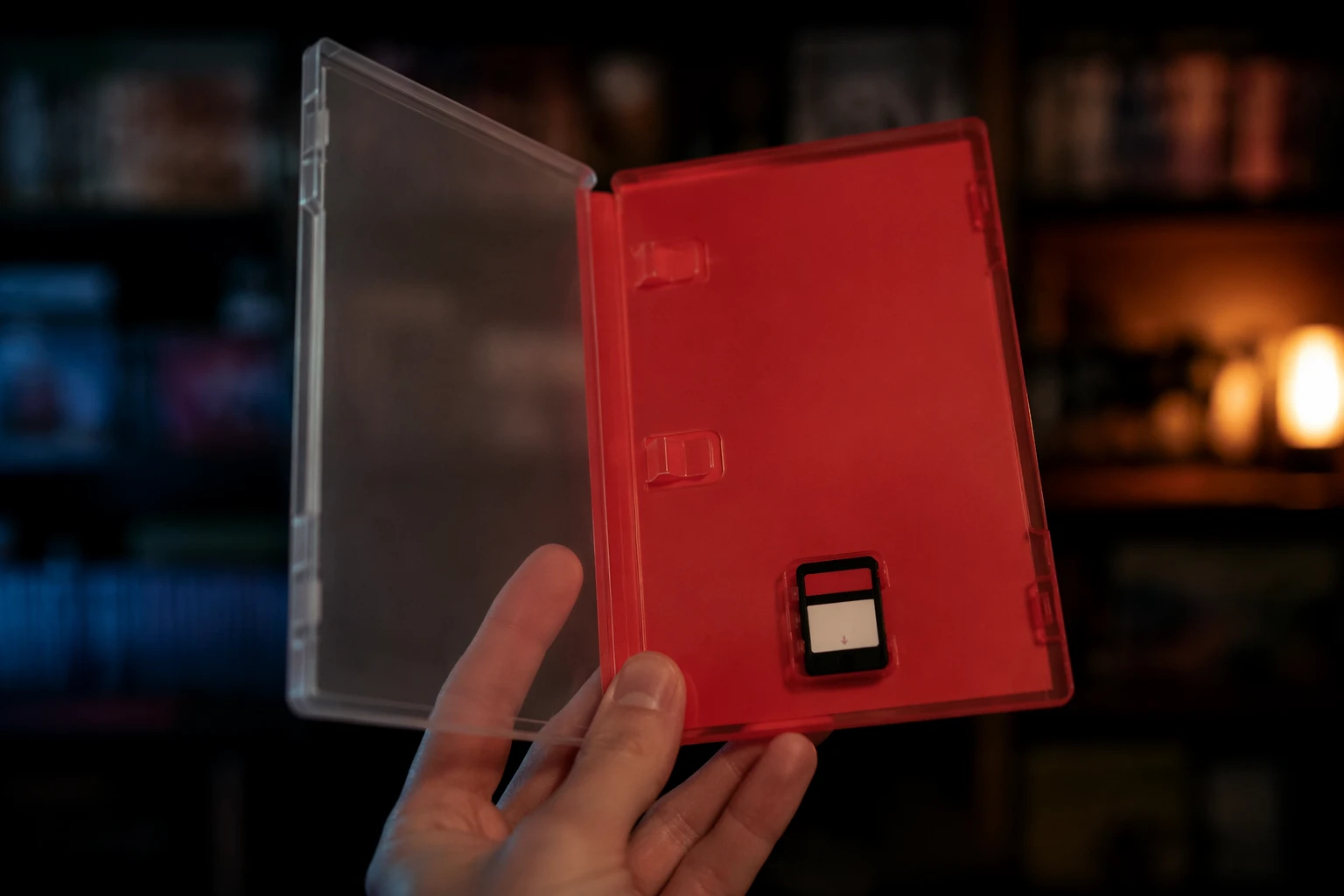
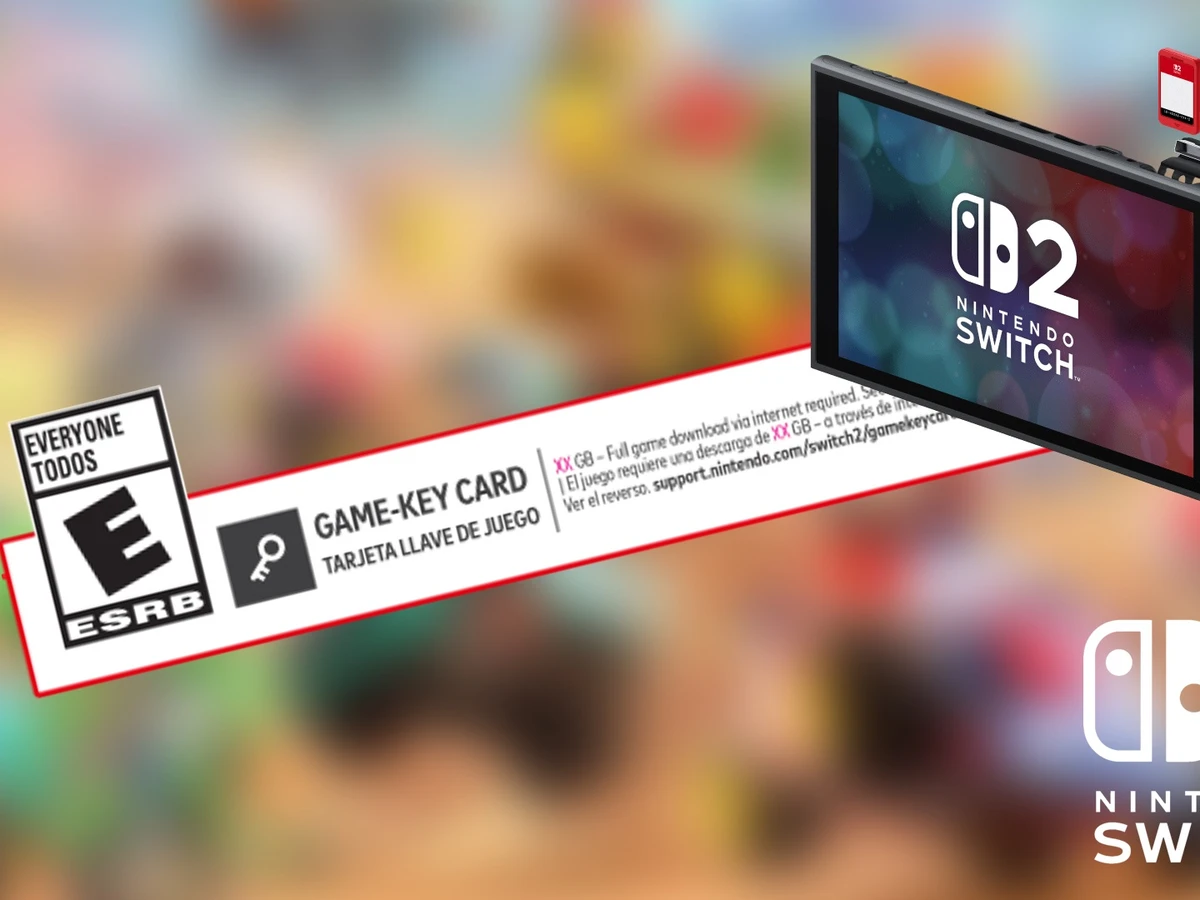
Nintendo’s support pages say the Switch 2 will support both regular game cards and game-key cards. The distinction matters because a game-key card does not contain the full game data and requires a download to play. That means the object in your hand may look physical, but it no longer functions like the cartridges and discs that once delivered a complete game on their own.
That change blurs the line between ownership and access. A regular game card can still be treated like a self-contained copy, while a key card behaves more like an unlock token tied to Nintendo’s download ecosystem. If the download path changes, if a storefront closes, or if a license is altered, the box can remain on a shelf while the game itself becomes harder to retrieve.
Why Switch 2 sharpened the fight over physical media
Nintendo officially announced the Switch 2 on January 16, 2025, then detailed the console further in an April 2, 2025 Nintendo Direct. It said the system would launch on June 5, 2025, and that timing matters because new platform rules often become the rules the rest of the market follows. When a major console adopts a format that is only partly physical, it can reset expectations for publishers, retailers, and collectors at the same time.
The warning signs are not limited to Nintendo. The Verge’s “GTA VI is a worrying sign for the future of physical games” says the physical version of Grand Theft Auto VI will reportedly just include a code in a box, not a disc or complete cartridge. Its broader explainer, “When will physical video games go away?”, argues that the era of playing a game off a disc might basically be over. Put together, those shifts point to a release model where the box becomes packaging for access rather than proof that the game is inside.
What gamers lose when the purchase is no longer self-contained
This is where the consumer-rights question gets concrete. A complete disc or cartridge can be preserved, shared, and revisited without asking a platform holder for permission every time the game is installed. A code-in-box release or download-dependent key card is different: the object is not the whole product, so access depends on servers, account rules, and whatever version of the game remains available later.
The practical losses show up in four places:
• Ownership: a self-contained disc or cartridge gives you an object that still works as a game even if the store closes. A key card gives you access to a download, which is a weaker form of possession.
• Resale: a boxed game with only a redemption code has far less secondhand value once the code is used. The physical shell remains, but the transferable game does not.
• Preservation: collectors, libraries, and archivists can store a cartridge or disc in its working form. A download-only component is harder to archive because the full experience may depend on patches, account checks, or future server availability.
• Access: when servers shut down or licenses change, players may lose the ability to reinstall, verify, or even launch something they paid for. That is the central break from the old disc model.
For preservationists, the issue is not theoretical. The Verge’s physical-media coverage has framed these releases as a threat to the idea that a box on a store shelf guarantees a complete copy inside it. Once that guarantee disappears, buying physical stops being a shield against platform changes.
The market has been shrinking for years, even as gaming stays huge
Circana-related reporting shows just how far physical software has fallen in the United States. Spending on physical video game software has been cut by more than half since 2021, and it is now more than 85% below its 2008 peak. That is a steep collapse for the format that once defined console ownership, even if game sales overall remain massive.
The Entertainment Software Association’s 2024 consumer-spending report put U.S. consumer spending on video games at $58.7 billion, which underlines the split between the health of gaming and the health of physical software. Sony Interactive Entertainment says PS5 hardware sales passed 93 million units worldwide as of March 31, 2026, and that installed base gives platform holders a huge audience for digital storefronts and account-based delivery. Physical media is shrinking inside a market that is still very large, which helps explain why publishers are willing to treat the box as a delivery system for a download.
Who is still insisting on full cartridges
Not every company is moving in the same direction. Limited Run said its numbered Nintendo Switch 2 physical releases will be full game on cartridge, not game-key cards. That choice matters because it shows there is still demand for releases that behave like real physical media, especially among collectors who want a copy that is complete the day it leaves the factory.
The contrast is stark. GameSpot and WIRED both framed Nintendo’s key-card approach as a possible beginning of the end for physical games, and WIRED described the format as “physical gaming media’s last gasp” even though the card does not contain the game itself. Limited Run’s response is the opposite message: some buyers still want a box, a cartridge, and a game that works without a download gate in the middle.
How to read a physical release before you buy it
The safest move is to treat the packaging as a clue, not a promise. Look for whether the product is a regular game card or a game-key card, and check whether the box says a download is required. If the game cannot be played without pulling the full data from a server, then you are not buying the same kind of object that a disc or complete cartridge once represented.
That difference will shape the next phase of game ownership. A physical release that contains the full game can still support resale, archiving, and offline play in a way that a code-in-box package cannot. As more publishers copy the model Nintendo has introduced, the fight over physical games will be less about shelf space and more about whether buyers keep anything durable at all.