Science
Pink Salmon Thrive Amid Climate Shifts
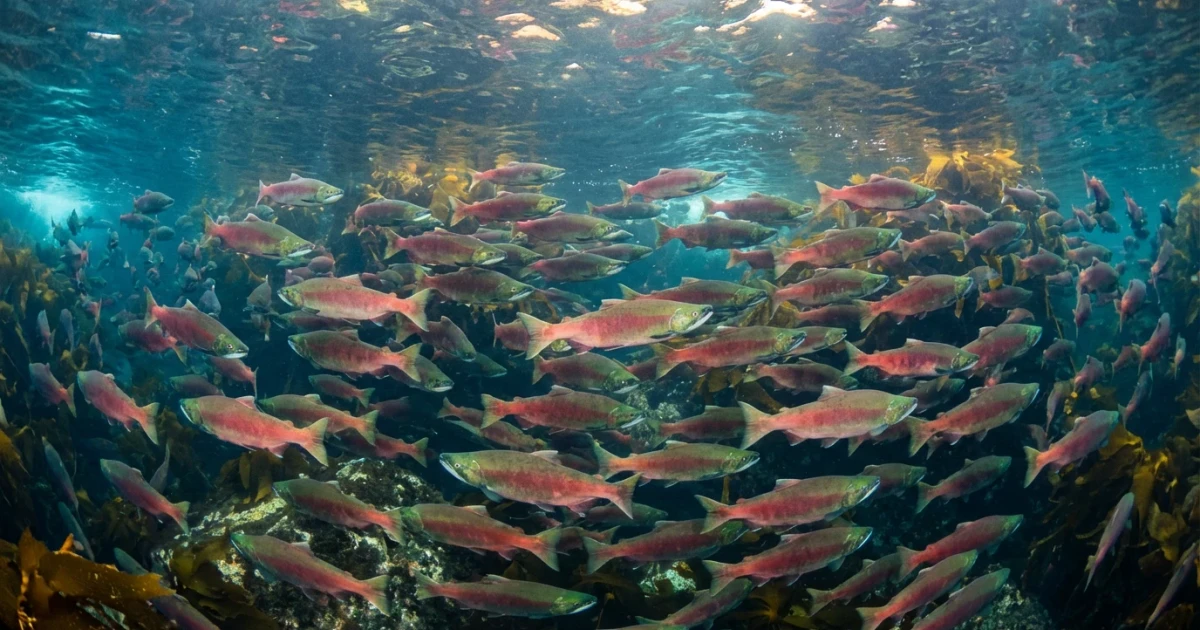
Pink salmon are bucking the trend of declining fish populations in the North Pacific, emerging as a rare climate success story among salmon species. While climate change brings uncertainty and hardship for much aquatic life, pink salmon are not only surviving—they are thriving.
Pink Salmon Populations on the Rise
Recent observations in the North Pacific reveal that pink salmon populations are increasing, with commercial harvests in Alaska and Russia posting record catches in several recent years. The Seattle Times reports that pink salmon have capitalized on environmental changes that have challenged other species, particularly as ocean temperatures rise and ecosystem dynamics shift.
- Pink salmon made up over half the total salmon catch in the North Pacific in some years, according to North Pacific Anadromous Fish Commission data.
- Alaska's pink salmon runs saw commercial harvests exceeding 160 million fish in record years.
Why Pink Salmon Are Climate "Winners"
Pink salmon possess several traits that give them an edge in a changing climate:
- Short, two-year life cycle: This rapid generation turnover means pink salmon can quickly adapt to environmental shifts.
- High fecundity: Pink salmon produce large numbers of eggs, boosting their resilience against poor ocean conditions.
- Broad spawning distribution: They use a wide range of rivers and streams, spreading risk across habitats.
According to research summarized by The Seattle Times, warming ocean waters and shifts in food web dynamics have, so far, benefited pink salmon. They feast on zooplankton and other prey that have proliferated with rising temperatures in some regions. In contrast, other salmon species, such as sockeye and Chinook, have struggled with lower survival rates, likely due to competition and less favorable conditions.
Ecological Ripples and Controversies
The pink salmon boom is not without controversy or ecological consequences. Scientists and fisheries managers are observing complex ripple effects across the food web:
- Competition: High pink salmon numbers may increase competition with other salmon species for food in the open ocean.
- Predation and nutrient impacts: Large returns of pink salmon influence the amount of nutrients delivered to rivers and coastal ecosystems when they spawn and die.
While some researchers see pink salmon’s abundance as a climate adaptation success, others caution that it may come at the expense of less adaptable species. The Seattle Times notes that fisheries managers are closely monitoring for potential imbalances and long-term impacts.
Looking Ahead
Pink salmon’s resilience highlights the unpredictable winners and losers in the era of climate change. Their ongoing success provides hope for some fisheries, but also serves as a reminder that ecological shifts are rarely simple. Scientists continue to study how factors like climate change and ocean regime shifts will reshape the future for all salmon species.
For now, pink salmon are making the most of a warming world—demonstrating both the adaptability of nature and the complexity of managing fisheries in a changing climate.