Entertainment
Pioneering ITV journalist Roger Cook dies aged 83
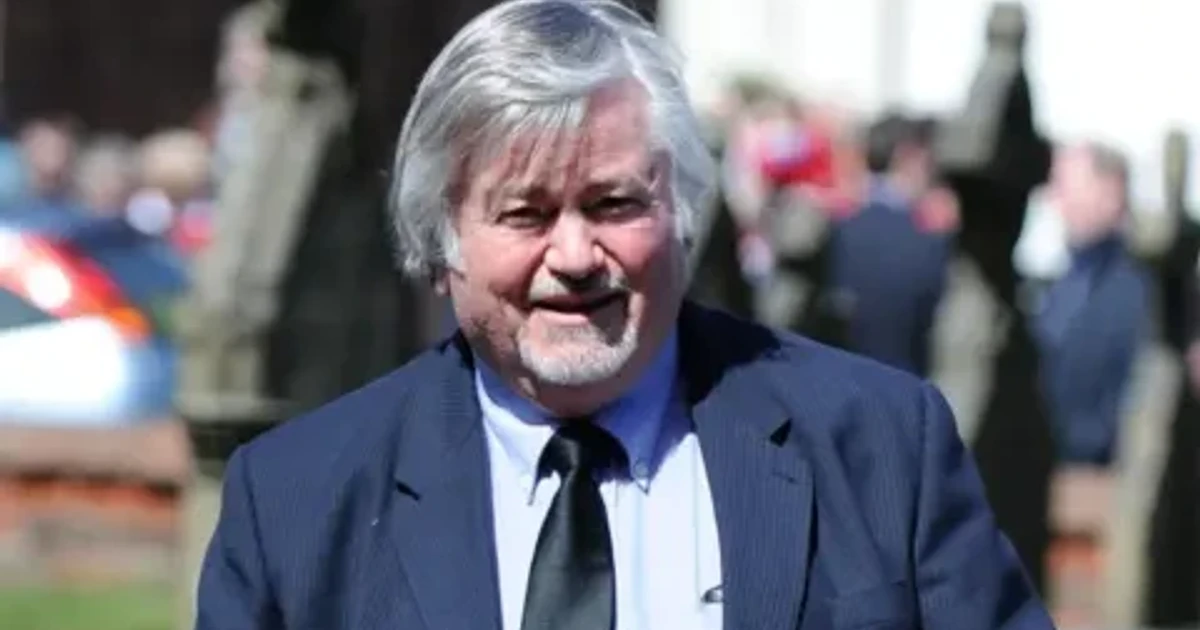
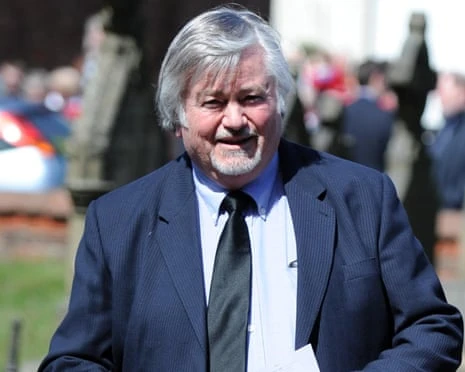
Roger Cook, the New Zealand-born broadcaster who became one of British television’s best-known investigative journalists, has died peacefully at 83 after a short illness. His family paid tribute after his death, marking the loss of a reporter whose methods reshaped how television confronted power.
Cook’s name was tied to ITV’s The Cook Report, the current affairs programme he fronted from 22 July 1987 to 24 August 1999 across 16 series. The show built its reputation by exposing corruption, criminals, government failings and cover-ups, and it made Cook a defining figure in a period when investigative television could still produce national shockwaves through a single broadcast.
That influence was formally recognised in 1997, when the British Academy of Film and Television Arts gave Cook a special award for 25 years of outstanding quality investigative reporting. It was a mark of how deeply his work had penetrated the genre: The Cook Report did not merely report wrongdoing, it pursued it on camera, turning confrontation itself into a journalistic tool.
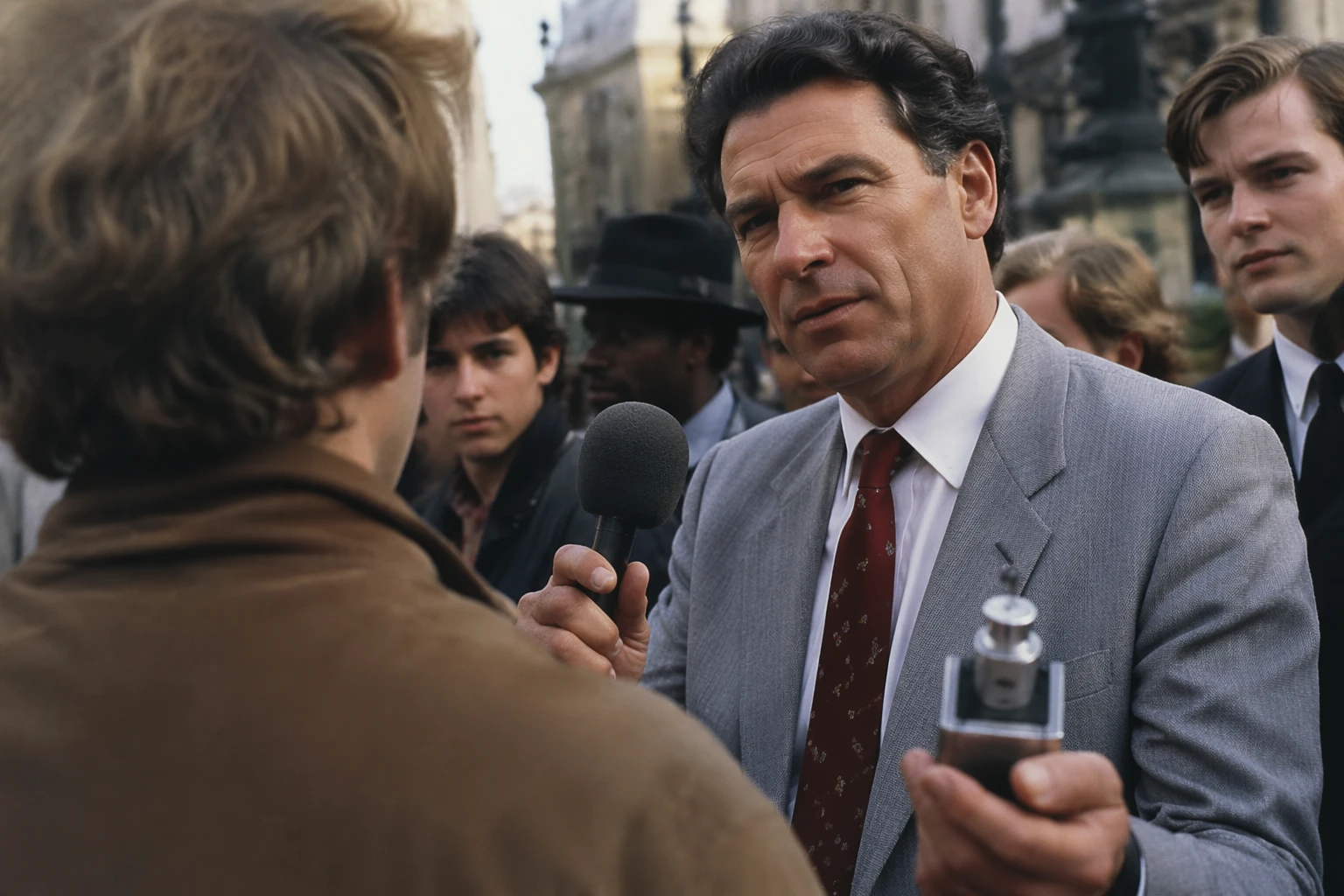
Cook was closely associated with doorstepping, the practice of confronting a subject without prior arrangement, usually outside a home, workplace or court. In Cook’s hands, the technique became more than a stunt. It was part of a method that forced evasive figures into view and, at its best, made television feel like an instrument of public accountability rather than passive observation.
Yet the legacy of that style is inseparable from its limits. Doorstepping could expose deceit quickly, but it also relied on pressure, asymmetry and spectacle, and those tensions have only sharpened in the era of smartphones and viral clips. Today, a doorstep encounter can be recorded by anyone, edited in seconds and distributed far beyond the original audience, which gives the tactic a wider reach but also a thinner margin for judgment.
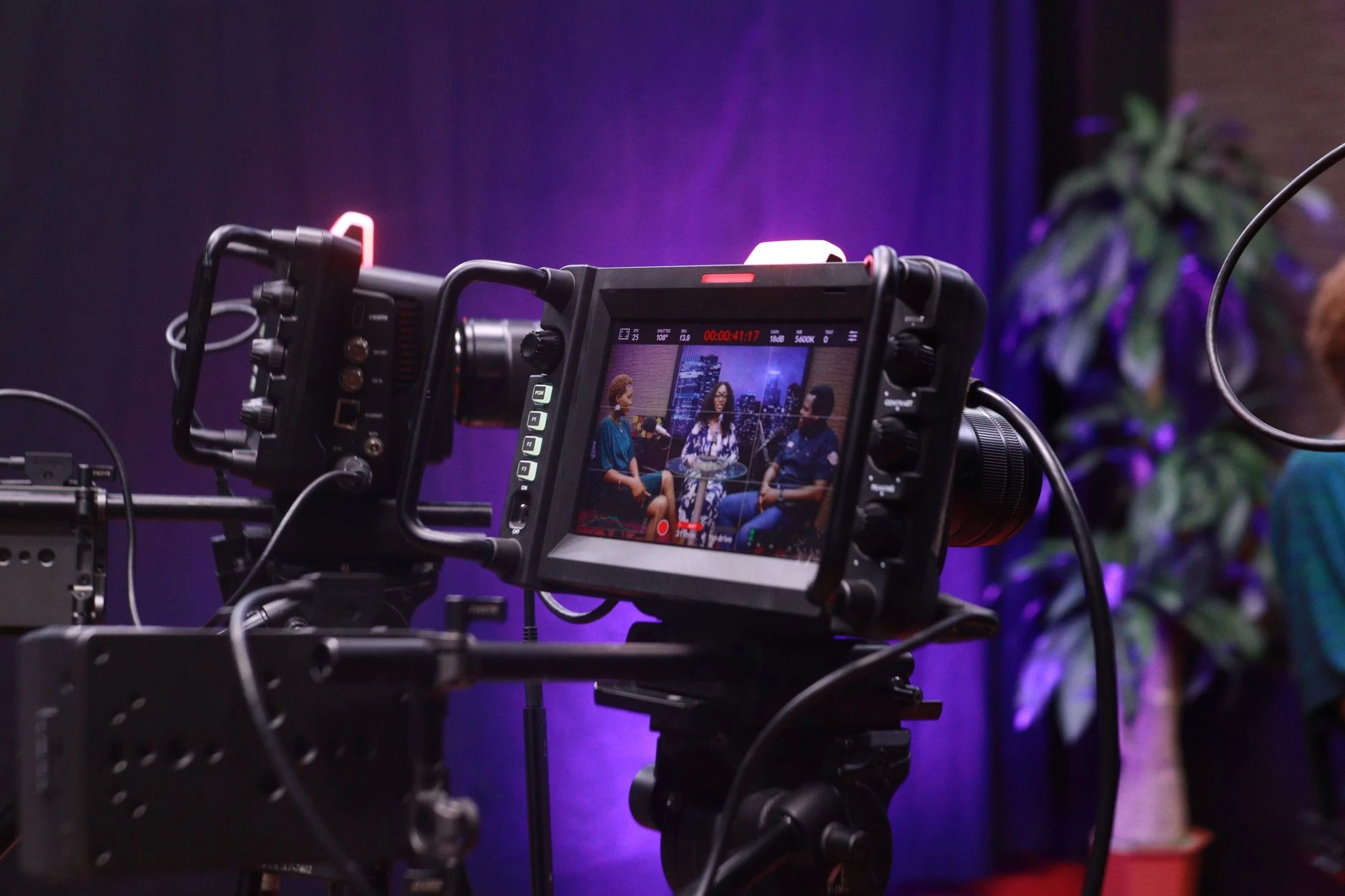
Cook’s career captured a specific moment in British broadcasting, when investigative TV could combine persistence, access and live confrontation to hold institutions to account. The enduring question his death leaves behind is whether that model still serves journalism, or whether it now survives mostly as a reminder of how aggressively television once chased the truth.
Sources
- [1]bbc.com
- [2]itv.com
- [3]telegraph.co.uk
- [4]wikiwand.com